The Unconscious Brain Still Processes Sound and Language Under Anesthesia, New Study Reveals
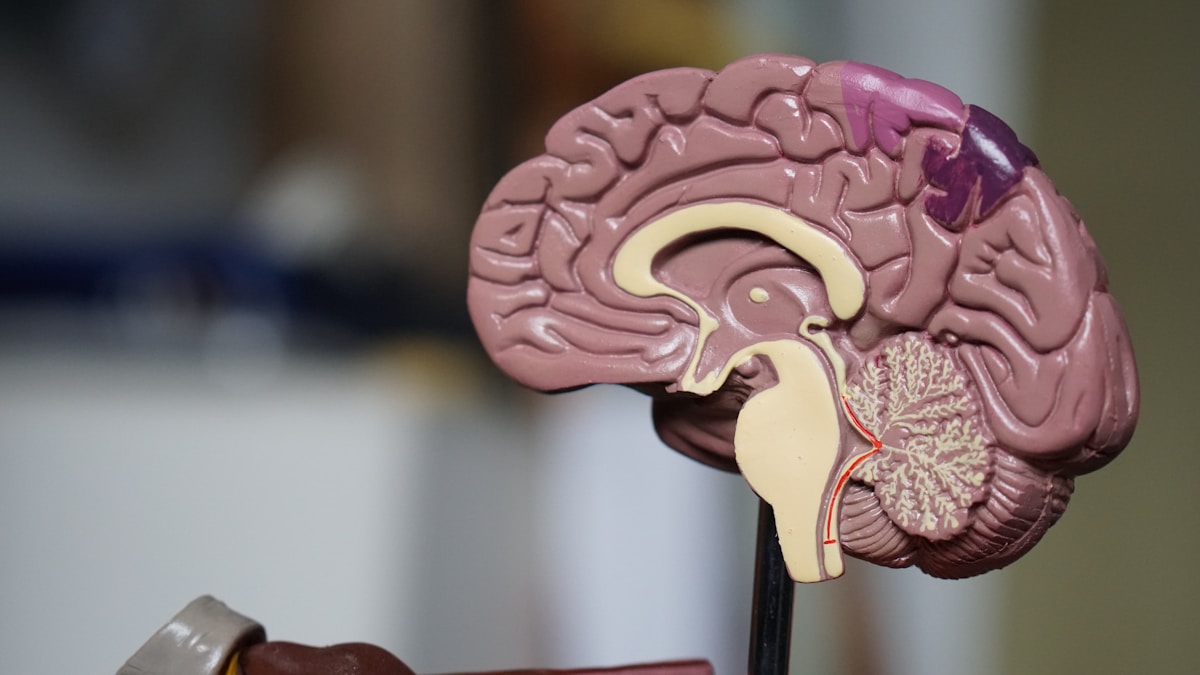
A groundbreaking new study has discovered that the human brain can analyze complex sounds and even language while a person is fully unconscious under general anesthesia. This finding challenges decades of assumptions about what happens to our minds when we are “put under” for surgery.
Researchers at Baylor College of Medicine in Houston found that specific brain cells in the hippocampus—a region critical for memory—continued to respond to tones and speech in patients who were completely anesthetized. The study was published in the journal Nature and offers a fresh look at the hidden capabilities of the sleeping brain.
For anyone who has ever wondered what their brain does during surgery, these findings provide surprising answers. The research suggests that even when we are not aware, our brains may still be listening, processing, and perhaps even learning from the world around us.
What the Study Actually Found
The research team, led by Dr. Sameer Sheth, used advanced technology called Neuropixels probes to record electrical activity from individual brain cells in seven adults. All patients were undergoing surgery for severe epilepsy that did not respond to medication. Their average age was about 40 years old, and the group included three women and four men.
During the procedure, each patient received total intravenous anesthesia, mostly with a drug called propofol. After a short baseline recording, the researchers played different sounds for the patients over a period of up to 30 minutes. None of the patients remembered anything from the surgery when they woke up.
The experiment had two parts:
- Three patients listened to pure tones. They heard short, identical 100-millisecond tones mixed with occasional “oddball” tones that were 20% higher or lower in pitch. Over about 10 minutes, the brain’s response to these oddball tones became stronger and more distinct. This suggests the brain was learning to recognize a pattern, even without conscious awareness.
- Four patients listened to stories from “The Moth” podcast. Their brain activity showed that neurons could tell the difference between types of words, such as nouns and verbs. The researchers also found that brain responses matched how surprising each word was in the context of the story. In some cases, the brain seemed to predict what word would come next.
These results were similar to what the researchers saw in a separate group of awake patients who performed the same tasks in an epilepsy monitoring unit. This comparison helped confirm that the unconscious brain was not just randomly firing—it was processing information in a structured way.
What This Means for Our Understanding of Consciousness
For decades, doctors and scientists believed that general anesthesia essentially “turned off” higher brain functions. The idea was that if you were unconscious, your brain was not actively analyzing the world. This study turns that idea on its head.
“Our findings show that the brain is far more active and capable during unconsciousness than previously thought,” Dr. Sheth said in a statement. “Even when patients are fully anesthetized, their brains continue to analyze the world around them.”
The hippocampus is a brain region that is anatomically and functionally far from the primary hearing centers. Yet, it was still processing complex sensory information. This suggests that sophisticated analysis can happen in parts of the brain that are not directly involved in basic hearing.
The researchers noted that while the brain can process and even learn from sounds during anesthesia, it cannot consolidate that information into a lasting memory. This explains why patients do not remember anything after surgery, but it also raises questions about “implicit recall”—when the body or brain seems to remember something without conscious awareness.
How This Affects You as a Reader
If you or a loved one has ever had surgery, you may wonder what your brain was doing during that time. This study suggests that your brain was likely still listening and processing sounds, even though you were completely unaware.
For patients who have reported feeling like they could hear things during surgery, this research offers a neurological explanation. It does not mean you were conscious or in pain, but it does mean your brain was picking up on auditory information.
This could also have implications for:
- Post-surgery recovery: Some patients report feeling unsettled or having vague memories after surgery. Understanding that the brain was processing sounds may help doctors create calmer operating room environments.
- Patients with epilepsy: The participants in this study had drug-resistant temporal lobe epilepsy. Their brains may process information differently. More research is needed to see if these findings apply to everyone.
- Understanding other unconscious states: The researchers caution that it is unclear whether these findings apply to sleep or coma. The brain under anesthesia may behave differently than during natural sleep or other states of unconsciousness.
What Experts Say About This Condition and Treatment
General anesthesia is a carefully controlled medical state. It is not the same as sleep. Anesthesiologists use a combination of drugs to block pain, cause unconsciousness, and prevent movement during surgery. Propofol, the main drug used in this study, is one of the most common anesthetic agents.
Experts have long debated what “consciousness” really means. Some argue that it is a spectrum, not an on-off switch. This study supports that view. The brain can perform complex tasks even when the person is not aware.
Dr. Sheth said, “This work pushes us to rethink what it means to be conscious. The brain is doing much more behind the scenes than we fully understand.”
Other neuroscientists not involved in the study have pointed out that these findings are preliminary. The study was small—only seven patients—and it focused on one brain region. The results may not apply to other anesthetics or to people without epilepsy.
Practical Takeaways for the General Public
While this research is still early, there are a few things you can keep in mind:
- Trust your anesthesia team. Even though the brain is active, you will not feel pain or remember anything. Modern anesthesia is very safe and effective.
- Ask questions if you have concerns. If you are worried about hearing something during surgery, talk to your anesthesiologist. They can explain what to expect and how they monitor your state.
- Understand that your brain is resilient. This study shows that the brain continues to work even under extreme conditions. That is a reminder of how powerful and adaptable the human mind is.
- Stay tuned for more research. Scientists are just beginning to explore what the unconscious brain can do. Future studies may help improve anesthesia care and our understanding of consciousness itself.
Limitations of the Study
The researchers were honest about the limits of their work. They noted several important caveats:
– The study only included patients with epilepsy, which may affect brain function.
- Only one type of anesthesia (propofol) was used.
- The results may not apply to sleep, coma, or other unconscious states.
- The brain processes described may not be unique to the hippocampus.
- It is unknown how widespread these abilities are across different brain regions.
Despite these limits, the study is a significant step forward. It opens the door to new questions about what the brain can do when we are not aware.
Final Thoughts
This research reminds us that the brain is never truly “off.” Even under deep anesthesia, it continues to listen, learn, and respond to the world. For patients, this is a reassuring sign of the brain’s resilience. For scientists, it is a challenge to rethink long-held ideas about consciousness.
The next time you go under anesthesia, know that your brain is still working—even if you are not. And that is just one more mystery of the human mind that scientists are beginning to unravel.
Medical Disclaimer: This article is for informational purposes only and does not constitute medical advice. Always consult a qualified healthcare professional before making any health decisions. Content reviewed by the HealthyMag Editorial Team.
Source: MedPage Today