Nitric Oxide for Women: Benefits, Safety, and What the Research Shows
This article contains affiliate links. We only recommend products we have independently researched. Reviewed by the HealthyMag Editorial Team. Last updated: July 2026.
You have probably seen nitric oxide advertised on pre-workout tubs and “male performance” supplements, which might make you wonder whether it has anything to offer women at all. It does. Nitric oxide is one of the most important signaling molecules in the human body, and its discovery earned a Nobel Prize in 1998. It governs how your blood vessels relax, how oxygen reaches your muscles and brain, and how blood flows to tissues, including those involved in sexual arousal. This article walks through what the science actually shows for women, where the evidence is strong, and where it is still thin. We will be honest throughout: much of the foundational research was done in men, and women-specific data is catching up rather than complete.
What nitric oxide does in the body
Nitric oxide is a gas your body produces on demand, primarily in the thin layer of cells lining your blood vessels called the endothelium. When your endothelium releases nitric oxide, it signals the surrounding smooth muscle to relax, which widens the vessel and allows more blood to flow through. This process, called vasodilation, is why nitric oxide is so central to cardiovascular health.
The importance of this molecule was cemented when Robert Furchgott, Louis Ignarro, and Ferid Murad won the 1998 Nobel Prize in Physiology or Medicine for discovering that nitric oxide acts as a signaling molecule in the cardiovascular system. Their work explained how the endothelium produces a substance that relaxes blood vessels and how nitroglycerin, used for chest pain for over a century, works by releasing nitric oxide.
Your body makes nitric oxide two main ways: through an enzyme called endothelial nitric oxide synthase (eNOS), which uses the amino acid L-arginine, and through the diet, by converting nitrate from vegetables into nitrite and then nitric oxide. Both pathways matter, and both can be supported through lifestyle. As we age, and especially as women move through menopause, natural nitric oxide production tends to decline, which is part of why this molecule is worth understanding.
Benefits that matter for women
Blood pressure and heart health. This is where the evidence is strongest. Because nitric oxide relaxes blood vessels, boosting it through dietary nitrate can lower blood pressure. A 2022 systematic review and meta-analysis by Benjamim and colleagues in Frontiers in Nutrition, pooling 7 studies and 218 participants, found that nitrate from beetroot juice reduced systolic blood pressure by roughly 4.95 mmHg in people with hypertension, though the effect on diastolic pressure was not significant. Even a few points of systolic reduction is clinically meaningful for long-term cardiovascular risk.
Exercise and energy. Nitric oxide improves how efficiently your muscles use oxygen, which can translate into better endurance. Importantly, this has been tested specifically in women. A 2024 randomized controlled trial by Neteca and colleagues in Nutrients gave 18 female endurance athletes either beetroot juice concentrate (about 6.2 mmol of nitrate) or placebo before exercise testing. The beetroot group increased maximal oxygen consumption (VO2 max) by 4.82%, while the placebo group slightly declined. Notably, the researchers accounted for menstrual cycle phase, recognizing that hormonal fluctuations can influence how women respond to nitrate.
Blood flow and circulation. Better nitric oxide function means better endothelial function, meaning healthier, more responsive blood vessels. A 2022 randomized trial by Maharaj and colleagues in Nutrients studied 25 hypertensive postmenopausal women and found that 10 grams per day of L-citrulline for 4 weeks improved brachial artery flow-mediated dilation, a direct measure of how well blood vessels widen, along with reductions in aortic blood pressure. This is one of the clearer demonstrations that boosting the nitric oxide pathway improves vascular function in women specifically.
Brain. Because nitric oxide governs blood flow, it plausibly supports cognitive function by helping deliver oxygen to the brain, and some dietary nitrate studies have measured improved cerebral blood flow. However, this area is less settled than blood pressure or exercise, and we do not have robust women-specific outcome data on memory or long-term cognition. Consider it a promising mechanism rather than a proven benefit.
Sexual health. Nitric oxide is central to genital blood flow. Research by Musicki and colleagues, published in 2008 in the Journal of Sexual Medicine, describes how the nitric oxide/cGMP pathway plays a primary role in regulating clitoral and vaginal blood flow and smooth muscle relaxation during arousal, the same pathway that erectile-dysfunction drugs target in men. Here honesty is essential: most of this evidence comes from animal and tissue studies, and the authors themselves note that limited studies have evaluated nitric oxide’s role in the female genital tract. So while the biology is real, human clinical proof that NO supplements improve female libido or arousal is genuinely thin.
Nitric oxide, hormones, and menopause
Estrogen and nitric oxide are closely linked. Estrogen stimulates eNOS, the enzyme that makes nitric oxide in blood vessels, so when estrogen falls during menopause, nitric oxide function tends to fall with it. A 2020 study by Moreau and colleagues in GeroScience, involving 87 women across the menopause transition, found that vascular endothelial function progressively deteriorated as women moved toward and through menopause. When researchers suppressed ovarian hormones and then added estradiol back, the impairment reversed, and an antioxidant infusion also restored function, suggesting the decline is driven by loss of estrogen and rising oxidative stress that scavenges nitric oxide.
This matters practically. It helps explain why cardiovascular risk climbs for women after menopause, and it is one reason supporting nitric oxide through diet and exercise may be especially worthwhile during and after the menopause transition. If you are noticing changes in energy, blood pressure, or exercise recovery around this stage of life, the nitric oxide pathway is a reasonable target, though it is a complement to, not a replacement for, medical care and any hormone therapy you and your doctor decide on.
Can women take nitric oxide supplements safely?
For most healthy women, yes, with sensible caveats. Nitric oxide “boosters” are not a single drug but a category, most commonly beetroot or dietary nitrate products, L-citrulline, and L-arginine. In the studies cited above, doses like 10 grams of L-citrulline daily or a concentrated beetroot shot were used in women, including postmenopausal women, without serious safety problems. Beetroot can harmlessly turn urine or stool pink, and some people notice mild digestive upset.
The caveats matter more than the supplements. Because these products lower blood pressure, they can add to the effect of blood pressure medications and cause it to drop too low. They may also interact with erectile-dysfunction-type drugs (PDE5 inhibitors) and nitrate heart medications. And crucially, “safe for most women” does not include everyone: pregnancy and certain medical situations call for caution, covered below. The single most important rule is to talk to your own clinician before starting, especially if you take any medication.
Best ways for women to boost nitric oxide
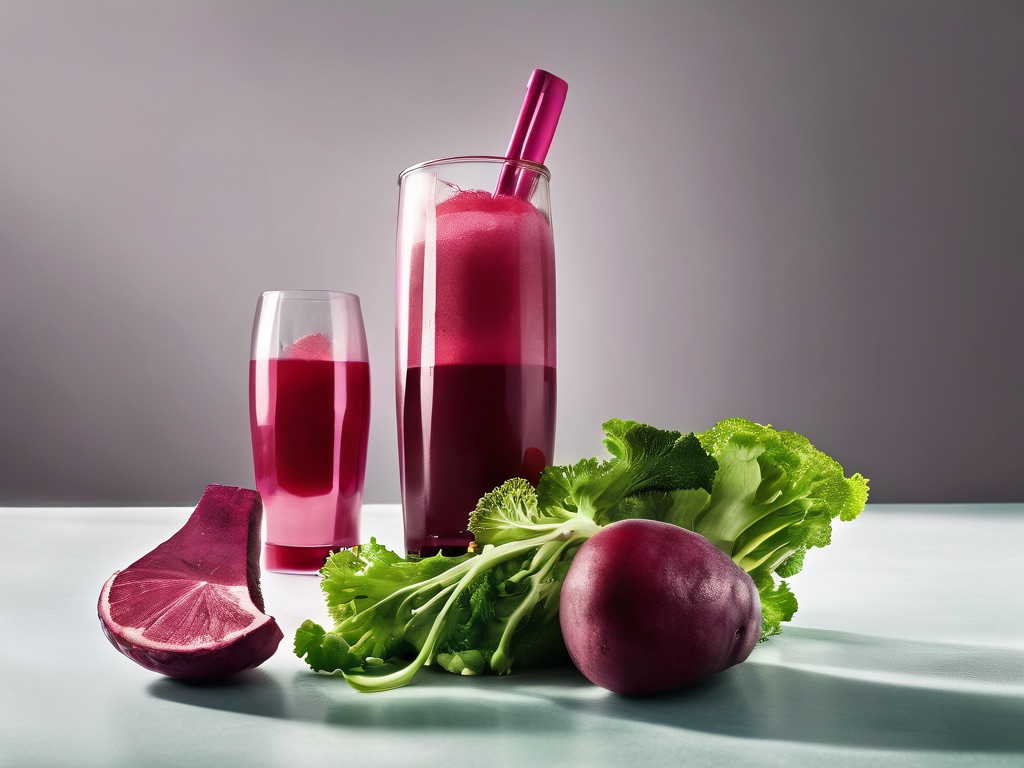
Food first. The most reliable, best-studied way to raise nitric oxide is eating nitrate-rich vegetables: beets, arugula, spinach, kale, Swiss chard, and other leafy greens. Beetroot juice is the concentrated version used in most exercise and blood pressure studies. If you would rather drink your beets, our guide to beetroot juice for blood pressure and endurance covers what the trials actually show and how much to use.
Exercise. Regular aerobic exercise is one of the best natural stimulators of eNOS and nitric oxide production. The shear stress of blood flowing faster through your vessels during exercise literally signals your endothelium to make more nitric oxide, which is part of why fitness protects the heart. Pairing exercise with a nitrate-rich diet, as the female athlete studies did, is a sound strategy.
🔎 Our researched pick: Supplements, as an option. If food and exercise are already in place and you want more support, beetroot or nitrate supplements and L-citrulline are the two most evidence-backed choices for women. When choosing a product, look for a clear nitrate content (for beet products) or an adequate L-citrulline dose (studies used several grams daily), third-party testing, and minimal added sugar. Some people prefer beet or nitrate lozenges and chews for convenience; one option in this category is available here. Treat any supplement as an add-on to food and movement, not a substitute. For overall recovery and stress, some women also find magnesium helpful; our evidence review of magnesium for sleep and anxiety explains where that stands.
Affiliate link — if you buy through it we may earn a commission at no extra cost to you.
Who should be cautious
Pregnancy and breastfeeding. Nitric oxide supplements have not been adequately studied for safety in pregnancy or lactation, and concentrated nitrate products are not recommended in these situations without medical guidance. Nitrate-rich whole vegetables as part of a normal diet are different from concentrated supplements.
Anyone on blood pressure or heart medication. If you take antihypertensives, nitrate heart medications, or PDE5 inhibitors, nitric oxide boosters can stack with them and push blood pressure too low. Get individualized advice before starting.
People with very low blood pressure or kidney concerns. If you already run low blood pressure or have kidney disease, review any nitrate or arginine product with your doctor first.
| Benefit area | What the evidence shows for women |
|---|---|
| Blood pressure / heart | Strong. Beetroot nitrate lowered systolic BP by about 5 mmHg in hypertensive adults; L-citrulline improved vascular function in postmenopausal women. |
| Exercise & energy | Good and women-specific. Beetroot juice raised VO2 max by ~4.8% in female endurance athletes. |
| Blood flow / circulation | Good. Improved flow-mediated dilation shown directly in hypertensive postmenopausal women on L-citrulline. |
| Brain / cognition | Plausible but unproven in women. Mechanism supports blood flow; outcome data is limited. |
| Sexual health / arousal | Biologically real but clinically thin. NO governs genital blood flow, but human female data is very limited. |
| Menopause vascular health | Supportive. Estrogen loss reduces NO function; diet and exercise are reasonable targets. |
Frequently Asked Questions
What does nitric oxide do for women?
Nitric oxide relaxes and widens blood vessels, which supports healthy blood pressure, circulation, oxygen delivery to muscles during exercise, and blood flow to tissues throughout the body. In women, the best-supported benefits are for blood pressure and exercise performance, with additional roles in vascular health around menopause.
Can women take nitric oxide supplements?
Yes. Despite being marketed heavily to men, nitric oxide supplements like beetroot nitrate and L-citrulline have been tested in women, including postmenopausal women, at doses such as 10 grams of L-citrulline daily without serious safety issues. Check with your clinician first, especially if you take any medication.
Is nitric oxide safe for women?
For most healthy women, dietary nitrate and moderate supplement doses appear safe. The main cautions are for pregnancy and breastfeeding, anyone on blood pressure or heart medications, and people with very low blood pressure or kidney disease, because these products can lower blood pressure further.
Does nitric oxide help with menopause?
It may support one aspect of menopause. Estrogen normally stimulates nitric oxide production, so as estrogen declines, blood vessel function tends to worsen. Research shows this decline is tied to estrogen loss and oxidative stress. Supporting nitric oxide through nitrate-rich foods and exercise is a reasonable way to help vascular health during this stage, alongside medical care.
Does nitric oxide boost female libido?
The biology is promising but the human proof is thin. Nitric oxide clearly regulates blood flow to the clitoris and vagina during arousal, the same pathway targeted by erectile-dysfunction drugs. However, most of this evidence comes from animal and tissue studies, and there is limited human clinical research showing that NO supplements reliably improve libido or arousal in women.
What foods increase nitric oxide in women?
Nitrate-rich vegetables are the most reliable source: beets and beetroot juice, arugula, spinach, kale, Swiss chard, and other leafy greens. Your body converts their dietary nitrate into nitric oxide. These foods are the foundation, with supplements as an optional add-on.
Is L-citrulline or beetroot better for women?
Both work through the nitric oxide pathway and both have evidence in women. Beetroot nitrate has the strongest data for exercise performance and blood pressure, including in female athletes, while L-citrulline showed clear vascular benefits in hypertensive postmenopausal women. Many women simply start with beet-rich foods and add L-citrulline if they want more support.
How long does it take for nitric oxide supplements to work?
It depends on the goal. For acute exercise benefits, beetroot juice is typically taken about 2 to 3 hours before activity, as in the female athlete study. For blood pressure and vascular function, the trials generally ran several weeks, so expect a few weeks of consistent use for measurable changes.
The Bottom Line
Nitric oxide is not just a men’s supplement. It is a fundamental molecule for every woman’s cardiovascular system, and the strongest evidence, including studies done specifically in women, supports its role in blood pressure, exercise performance, and vascular function, with a particularly relevant angle around menopause when natural production declines. The claims about libido are biologically grounded but not yet backed by solid human trials in women, so it is fair to be intrigued and honest at the same time. For most women, the smartest approach is food and exercise first, beets and leafy greens plus regular aerobic activity, with beetroot or L-citrulline supplements as an optional extra. And because these approaches genuinely affect blood pressure, loop in your own clinician before starting, especially if you are pregnant, on medication, or managing a heart condition.
Sources
- Furchgott RF, Ignarro LJ, Murad F. The Nobel Prize in Physiology or Medicine 1998, for discoveries concerning nitric oxide as a signalling molecule in the cardiovascular system. NobelPrize.org. https://www.nobelprize.org/prizes/medicine/1998/press-release/
- Benjamim CJR, et al. Nitrate Derived From Beetroot Juice Lowers Blood Pressure in Patients With Arterial Hypertension: A Systematic Review and Meta-Analysis. Frontiers in Nutrition. 2022. https://pmc.ncbi.nlm.nih.gov/articles/PMC8965354/
- Neteca A, et al. Effect of Beetroot Juice Supplementation on Aerobic Capacity in Female Athletes: A Randomized Controlled Study. Nutrients. 2024. https://pmc.ncbi.nlm.nih.gov/articles/PMC11723218/
- Maharaj A, et al. Effects of L-Citrulline Supplementation on Endothelial Function and Blood Pressure in Hypertensive Postmenopausal Women. Nutrients. 2022. https://pmc.ncbi.nlm.nih.gov/articles/PMC9609406/
- Barkhidarian B, et al. Effects of L-citrulline supplementation on blood pressure: A systematic review and meta-analysis. Avicenna Journal of Phytomedicine. 2019. https://pmc.ncbi.nlm.nih.gov/articles/PMC6369322/
- Moreau KL, et al. Decline in endothelial function across the menopause transition in healthy women is related to decreased estradiol and increased oxidative stress. GeroScience. 2020. https://pmc.ncbi.nlm.nih.gov/articles/PMC7732894/
- Musicki B, et al. Endothelial Nitric Oxide Synthase Regulation in Female Genital Tract Structures. Journal of Sexual Medicine. 2008. https://pmc.ncbi.nlm.nih.gov/articles/PMC2656393/