Chewing Gum Benefits: Teeth, Reflux, Focus and Appetite
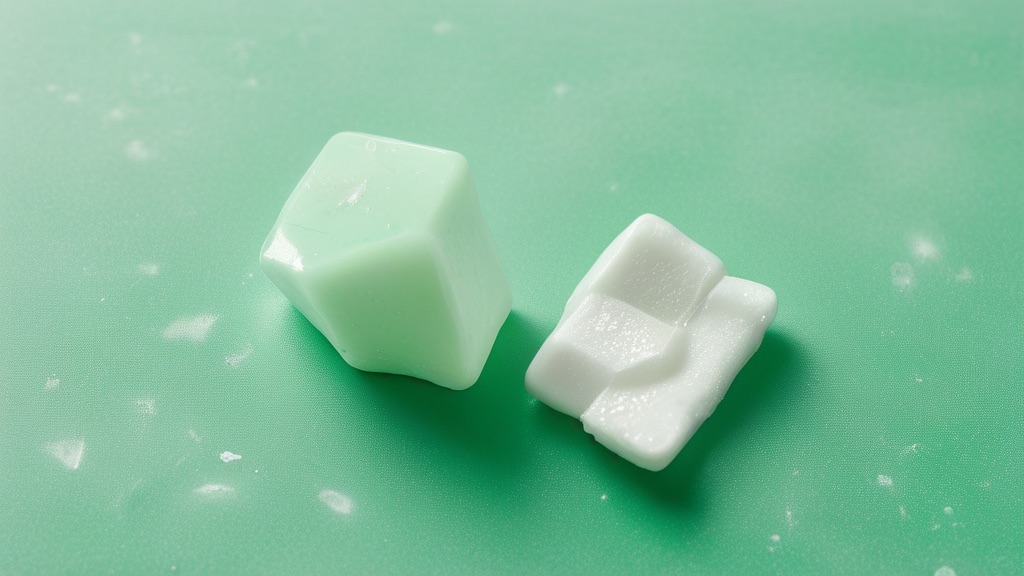
Chewing gum is often treated as a harmless habit — or a bad one. The truth sits in between and depends almost entirely on one thing: what’s in the gum. Sugar-free gum, especially with xylitol, has genuine, research-backed benefits for your teeth and beyond, while sugary gum does the opposite. Here’s an honest look at what chewing gum actually does, which benefits hold up, and how to chew for the payoff without the downsides.
First, the Only Thing That Really Matters: Sugar-Free vs. Sugary
Before any benefit, this distinction decides everything. Sugary gum bathes your teeth in sugar that oral bacteria ferment into acid, driving tooth decay. Sugar-free gum — sweetened with xylitol, sorbitol, or similar — delivers the mechanical and salivary benefits of chewing without feeding those bacteria. Every dental benefit below applies only to sugar-free gum. If you take one thing from this article: read the label and choose sugar-free.
Dental Benefits: Saliva, Plaque, and Fewer Cavity Bacteria
This is where the evidence is strongest. Chewing stimulates saliva, your mouth’s natural defense: saliva neutralizes acid, washes away food, and delivers minerals that help repair enamel. Chewing sugar-free gum for about 20 minutes after eating raises the pH in plaque and cuts short the “acid attack” that follows meals.
Xylitol adds a second mechanism. The bacteria most responsible for cavities, Streptococcus mutans, can’t metabolize xylitol, so it doesn’t fuel acid production — and over time their numbers fall. A systematic review and meta-analysis (Nasseripour et al., BMC Oral Health, 2021) found that sugar-free gum produced a statistically significant reduction in S. mutans, with the effect strongest for xylitol gum, positioning it as a useful adjunct to brushing for cavity prevention. The authors were measured — evidence quality was moderate — but the direction is consistent, which is why many sugar-free gums carry the ADA Seal of Acceptance. It won’t replace brushing, but it’s a legitimate helper, and fresher breath is a bonus (see why bad breath survives brushing).
Chewing Gum for Acid Reflux and Heartburn
Here’s a benefit many people don’t know about. Because chewing gum ramps up saliva and swallowing, it can help clear acid out of the esophagus after a meal. In a clinical study (Moazzez et al., Journal of Dental Research, 2005), chewing sugar-free gum for 30 minutes after a meal reduced post-meal acid exposure in the esophagus by about 37%. The catch: chew after meals (not before), and avoid mint gum — menthol can relax the valve between the stomach and esophagus and make reflux worse. Evidence here is limited, so treat it as a simple, low-risk add-on rather than a treatment. If reflux is a regular problem, our guide on how long acid reflux lasts and what to expect is worth a read.
Focus, Alertness, and Stress
Several studies link gum chewing to modest improvements in alertness, reaction time, and concentration, and some people find it takes the edge off stress or helps them stay awake during monotonous tasks. The effects are small and short-lived rather than dramatic, but chewing gum during a boring drive or a long study session is a harmless way to stay a bit more alert.
Dry Mouth, Fresh Breath, and Appetite
Because it drives saliva, sugar-free gum is genuinely useful for dry mouth — whether from medications, travel, or nervousness — and the extra saliva plus flavor helps mask and reduce bad breath. Some people also use gum to blunt cravings or curb mindless snacking; the evidence for meaningful appetite control is weak, but as a zero-to-low-calorie mouth-occupier it can help in the moment.
The Downsides Worth Knowing
- Sugary gum causes cavities. The single biggest downside — avoidable by choosing sugar-free.
- Jaw fatigue and TMJ strain. Excessive or aggressive chewing can cause jaw pain or aggravate temporomandibular joint problems.
- Digestive upset from sugar alcohols. Large amounts of sorbitol or xylitol can cause bloating, gas, or diarrhea in sensitive people.
- Swallowing air. Chewing makes some people swallow more air, which can worsen bloating.
- Xylitol is toxic to dogs — keep gum well away from pets.
| Benefit | Evidence strength | Best practice |
|---|---|---|
| More saliva / protects teeth | Strong | Chew ~20 min after meals |
| Reduces cavity bacteria (xylitol) | Moderate | Choose xylitol / ADA-Sealed gum |
| Fresher breath / dry mouth | Good | Any sugar-free gum |
| Eases acid reflux | Limited | After meals, non-mint, sugar-free |
| Alertness / focus | Modest | During monotonous tasks |
Where to buy: sugar-free gum
For the dental payoff, pick a gum where xylitol is high on the ingredient list, or one carrying the ADA Seal of Acceptance.
- PUR Gum, Spearmint, Xylitol Gum, No Artificial Flavor, 55 Count (Amazon)
- ICE BREAKERS Cinnamon Sugar-Free Gum Pouch, 8.11 oz, 100 ct (Amazon)
As an Amazon Associate we earn from qualifying purchases. Keep xylitol products away from dogs, for whom they are toxic.
Frequently Asked Questions
What are the benefits of chewing gum?
Sugar-free chewing gum boosts saliva (which protects teeth and eases dry mouth), reduces cavity-causing Streptococcus mutans bacteria — especially with xylitol — freshens breath, and, chewed after meals, can reduce acid reflux. It may also modestly improve alertness and concentration. These benefits apply only to sugar-free gum; sugary gum feeds the bacteria that cause tooth decay.
Is chewing gum good for your teeth?
Sugar-free gum is — sugary gum is not. Chewing sugar-free gum for about 20 minutes after eating stimulates saliva that neutralizes acid and helps repair enamel, and xylitol gum lowers the bacteria responsible for cavities. Many sugar-free gums carry the ADA Seal of Acceptance for this reason. It’s a helpful addition to, not a replacement for, brushing and flossing. Sugary gum, by contrast, promotes decay.
Does chewing gum help acid reflux?
It can help. Chewing sugar-free gum after a meal increases saliva and swallowing, which clears acid from the esophagus; one study found about a 37% reduction in post-meal acid exposure. Chew after meals rather than before, and avoid mint gum, since menthol can relax the valve that keeps stomach acid down. The evidence is limited, so use it as a simple add-on, not a substitute for reflux treatment.
Is xylitol gum better than regular sugar-free gum?
For dental benefits, yes, xylitol has an edge. Unlike other sweeteners, xylitol cannot be used by Streptococcus mutans, so it doesn’t fuel acid production and, over time, reduces the bacteria’s numbers. Reviews find the S. mutans-lowering effect is strongest for xylitol gum. Any sugar-free gum boosts protective saliva, but xylitol adds a specific anti-cavity mechanism. Look for xylitol high on the ingredient list.
Can chewing gum help you focus?
Modestly. Studies link gum chewing to small improvements in alertness, reaction time, and concentration, and many people find it helps them stay awake and focused during monotonous tasks like driving or studying. The effect is real but subtle and short-lived, not a substitute for sleep or a genuine cognitive enhancer. As a harmless alertness aid, it’s worth a try.
What are the downsides of chewing gum?
The main one is that sugary gum causes cavities — avoidable by choosing sugar-free. Beyond that, excessive chewing can cause jaw fatigue or aggravate TMJ problems, large amounts of sugar alcohols (sorbitol, xylitol) can cause bloating or diarrhea, and chewing can make some people swallow air and feel bloated. Xylitol is also toxic to dogs, so keep gum away from pets.
How long should you chew gum for benefits?
About 20 minutes after a meal is the sweet spot for dental benefits — long enough to stimulate protective saliva and shorten the post-meal acid attack, without over-working your jaw. For reflux, up to 30 minutes after eating is supported by the research. Chewing far longer than this mainly adds jaw fatigue without extra benefit.
The Bottom Line
Chewing gum can genuinely be good for you — as long as it’s sugar-free. The best-supported benefits are dental: more protective saliva, fewer cavity-causing bacteria (especially with xylitol), and fresher breath, with a helpful bonus for post-meal acid reflux and a modest lift in alertness. The rules are simple: choose xylitol or an ADA-Sealed sugar-free gum, chew for about 20 minutes after meals, skip mint if you have reflux, and don’t treat gum as a replacement for brushing. Do that, and a stick of gum becomes a small, legitimately healthy habit.
Sources
- Nasseripour M, Newton JT, Warburton F, et al. A systematic review and meta-analysis of the role of sugar-free chewing gum on Streptococcus mutans. BMC Oral Health. 2021;21:217. Link
- Moazzez R, Bartlett D, Anggiansah A. The effect of chewing sugar-free gum on gastro-esophageal reflux. Journal of Dental Research. 2005;84(11):1062-1065. Link
- American Dental Association (MouthHealthy). Chewing Gum. Link
This article is for informational purposes only and does not constitute medical or dental advice. If you have frequent acid reflux, jaw pain, or dental concerns, consult a professional.