Which Soap Is Good for Eczema? Test the Properties, Not the Brand
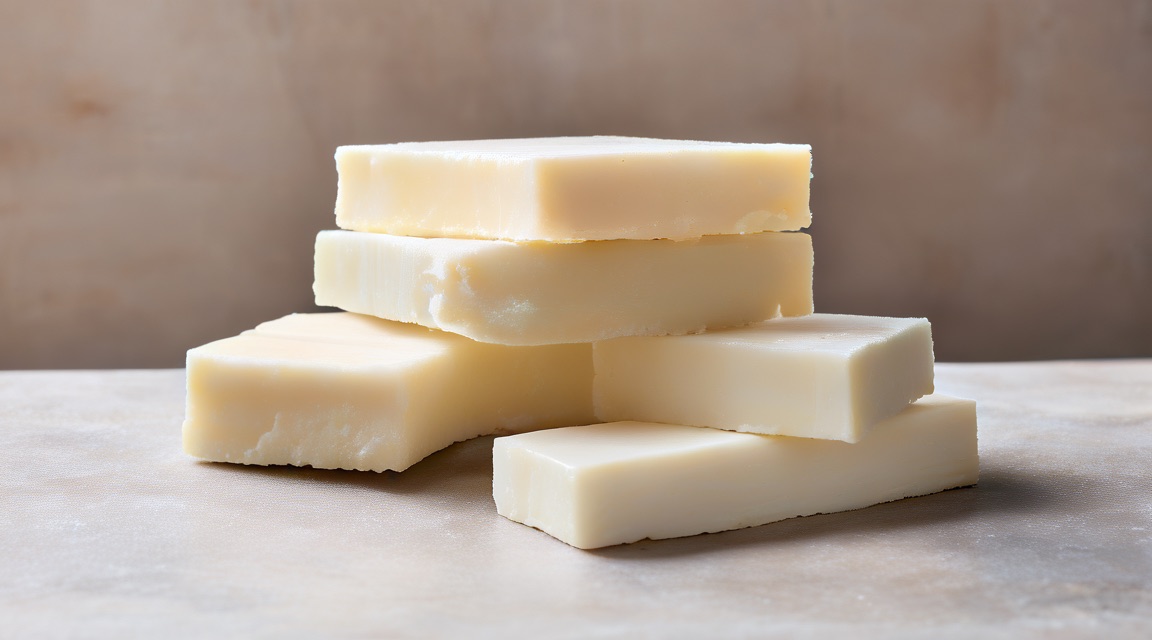
describes what to use by property rather than product: mild unscented bar soap or a non-soap
cleanser, with lukewarm baths limited to once a day, patting dry, and moisturising before the skin
gets too dry. Beyond that, the National Eczema Association Seal of Acceptance is a
third-party mark with published criteria, currently carried by 867 products. To qualify, a
product cannot contain any ingredient on NEA’s Ecz-clusion List, must be fragrance-free with no discernible
or strong scent, and the manufacturer must document that it passed required clinical safety tests for
sensitivity, irritation and toxicity. Two limits matter. The Seal tests safety and irritation, not
efficacy, so it means unlikely to irritate rather than likely to help. And only products that have
applied are awarded it, so its absence is not evidence against a product.
Search any cleanser brand alongside eczema and you will find a page confidently telling you yes or no. The
useful version of this answer works differently: it gives you a test you can apply to any product, including
ones released after this article was written.
The property test, from NIAMS
The National Institute of Arthritis and Musculoskeletal and Skin Diseases describes what to use in terms
of characteristics rather than names:
- Mild unscented bar soap or non-soap cleanser
- Lukewarm baths, limited to once a day
- Pat the skin dry, and do not let it get too dry before moisturising
- Moisturise to seal in the water absorbed during bathing
And two things to avoid: irritants and rough clothing such as wool, and lotions with high water or
alcohol content, which can cause burning.
That list answers the brand questions at the level where the answer stays true. Formulations change,
product lines get reformulated, and a recommendation attached to a name goes stale silently. A test attached
to properties does not.
The mark you can actually look up
The National Eczema Association operates a Seal of Acceptance, and unusually for this
category the criteria are published rather than implied.
Who decides: NEA states the Seal Review Panel is the ultimate decision maker in whether
a product is accepted. Products are reviewed by independent physician reviewers with a clinical focus on
caring for eczema patients, working to criteria created by NEA’s Scientific Oversight Committee.
Ingredients: products cannot contain any ingredient on NEA’s Ecz-clusion
List, which runs to 37 prohibited ingredients including formaldehyde, triclosan, various fragrance
components and specific plant extracts. Chemical UV absorbers and formaldehyde releasers are excluded
separately.
Fragrance: products must be fragrance-free, and NEA’s wording is stricter than the label
term usually implies. There should be no discernible or strong scent or anything aromatic in nature
in the final product.
Testing: brands must provide documentation that a product has undergone and passed the
required clinical safety tests for sensitivity, irritation and toxicity. The accepted tests are a Human
Repeat Insult Patch Test, a Cumulative Irritation Test, or a Safety In Use study, with testing data
accompanied by Fitzpatrick Skin Type or similar reporting covering different skin types, genders and ages
from 18 upward.
How many: 867 products currently carry it, and the directory is searchable.
The two limits that change how you should read it
It is a safety mark, not an efficacy mark.
Look at what the required tests measure: sensitivity, irritation and toxicity. A Human Repeat Insult Patch
Test asks whether repeated exposure provokes a reaction. A Cumulative Irritation Test asks whether the
product irritates over time. Neither asks whether your eczema improves.
So the Seal is a well-founded statement that a product is unlikely to make things worse.
It is not a claim that it will make things better, and reading it as the second thing is the most common way
to misuse it.
It is applied for.
NEA states plainly that only products that have applied for and pass the review process are awarded the
Seal. That means absence carries almost no information. A product without the Seal may be unsuitable, or the
company may simply not have submitted it, or not have commissioned the required testing.
Treat the Seal as a shortlist generator rather than as a filter that condemns everything outside it.
Why “unscented” is not the same as “fragrance-free”
This distinction is worth more than most brand comparisons, because it is where a lot of well-intentioned
purchases go wrong.
A product can be marketed as unscented while containing masking fragrance, added specifically to cover the
smell of the base ingredients. The result smells of nothing and still contains fragrance compounds.
NEA’s requirement closes that gap by describing the outcome rather than the label: no discernible or strong
scent, and nothing aromatic in nature in the final product. NIAMS’s guidance runs the same way, and its
overview separately names fragrances and other compounds found in skin products and soaps among environmental
contributors to atopic dermatitis.
The practical move is to read the ingredient list for fragrance or parfum rather than the front of the
bottle.
What about antibacterial soap?
Triclosan appears on NEA’s Ecz-clusion List, which is a specific and checkable fact about a specific
ingredient rather than a general verdict on a category. That does not make every antibacterial product
equivalent, since formulations vary, but it does mean the ingredient most associated with the category is
excluded from Seal products.
More broadly, the property test still applies: the question is whether the product is mild, fragrance-free
and non-stripping, and heavy-duty cleansing agents are not designed around any of those goals.
Bar soap or cleanser?
NIAMS permits both, in a specific form: mild unscented bar soap or a non-soap
cleanser. The qualifiers do the work rather than the format.
Traditional soap is alkaline and effective at removing oils, which is exactly the property you do not want
on a skin barrier that is already struggling to retain water. A non-soap cleanser uses different surfactants
and is generally formulated to be less stripping. That is the mechanism behind the recommendation, and it is
why a mild bar and a gentle liquid cleanser can both qualify while an ordinary bar of soap does not.
The order of operations people get wrong
The bath is not only cleaning. NIAMS describes moisturising as sealing in the water absorbed into the skin
during bathing.
Which makes the timing part of the treatment rather than a matter of convenience. Patting dry rather than
rubbing, then moisturising before the skin gets too dry, is doing something specific: keeping the water the
bath just put there.
Moisturising an hour later, on skin that has already dried out, is a different and less useful act.
Frequently Asked Questions
Is CeraVe or Cetaphil good for eczema?
Rather than answer for a brand whose formulations can change, apply the test that stays true. NIAMS
recommends a mild unscented bar soap or non-soap cleanser, and the National Eczema Association’s Seal of
Acceptance identifies products meeting published criteria: no ingredient from its Ecz-clusion List,
fragrance-free with no discernible scent, and documented clinical safety testing. NEA’s directory currently
lists 867 products and is searchable, which is a more reliable check than any article’s brand verdict.
Is Dove soap good for eczema?
The relevant questions are whether the specific variant is fragrance-free, whether it is a true soap or a
non-soap cleanser, and whether it carries the NEA Seal. Many brands sell both scented and fragrance-free
versions under the same name, so the answer can differ between two products on the same shelf. Check the
ingredient list for fragrance or parfum, and check the NEA directory for the exact variant rather than the
brand.
What does the National Eczema Association Seal actually mean?
That a product passed a published review. It cannot contain any ingredient on NEA’s Ecz-clusion List, which
covers 37 prohibited ingredients including formaldehyde, triclosan, fragrance components and certain plant
extracts, plus chemical UV absorbers and formaldehyde releasers. It must be fragrance-free with no discernible
or strong scent. And the manufacturer must document that it passed required clinical safety tests for
sensitivity, irritation and toxicity, reviewed by a panel of independent physician reviewers.
Does the Seal mean the product will help my eczema?
No, and this is the most important thing to understand about it. The required tests are a Human Repeat
Insult Patch Test, a Cumulative Irritation Test or a Safety In Use study. Those measure sensitivity,
irritation and toxicity, meaning whether a product provokes a reaction. None of them measures whether eczema
improves. The Seal is strong evidence that something is unlikely to irritate, and it is not a claim of
efficacy.
If a product does not have the Seal, is it bad?
Not necessarily, and NEA’s own wording explains why: only products that have applied for and pass the
review process are awarded the Seal. A product may lack it because the company never applied, or never
commissioned the required testing, rather than because it failed. Use the Seal to build a shortlist, not to
rule things out.
Is unscented the same as fragrance-free?
No, and the difference matters here. A product can be labelled unscented while containing masking
fragrance added to cover the smell of its base ingredients, so it smells of nothing and still contains
fragrance compounds. NEA’s requirement is written to close that gap, specifying no discernible or strong
scent and nothing aromatic in nature in the final product. Read the ingredient list for fragrance or parfum
rather than trusting the front label.
Should I use antibacterial soap?
Triclosan, the ingredient most associated with antibacterial soaps, appears on NEA’s Ecz-clusion List and
so is excluded from Seal products. Beyond that specific fact, the general property test still applies: eczema
guidance points toward mild, fragrance-free, non-stripping cleansing, and products formulated for aggressive
cleaning are not designed around those goals.
How often should I wash if I have eczema?
NIAMS advises lukewarm baths to cleanse and moisturise without drying the skin excessively, limited to once
a day. It also advises patting the skin dry and moisturising before it gets too dry, in order to seal in the
water absorbed during the bath. The timing is part of the treatment: the bath loads the skin with water and
the moisturiser is what prevents it leaving again.
Sources
- National Eczema Association, About the Seal of Acceptance: the Seal Review Panel as ultimate decision
maker; products cannot contain any ingredients on the Ecz-clusion List, which lists 37 prohibited ingredients
including formaldehyde and triclosan, plus chemical UV absorbers and formaldehyde releasers; products must be
fragrance-free with no discernible or strong scent or anything aromatic in nature in the final product;
brands must provide documentation that a product has undergone and passed required clinical safety tests for
sensitivity, irritation and toxicity; only products that have applied for and pass the review process are
awarded the Seal. Checked August 2026 —
nationaleczema.org - National Eczema Association, Eczema-Friendly Product Directory: 867 products currently carrying the Seal,
searchable by product —
Product directory - NIAMS, Atopic Dermatitis: Diagnosis, Treatment, and Steps to Take: lukewarm baths limited to once a day;
mild unscented bar soap or non-soap cleanser; patting skin dry and moisturising before it gets too dry to seal
in absorbed water; avoiding irritants and rough clothing such as wool; avoiding lotions with high water or
alcohol content which can cause burning —
niams.nih.gov - NIAMS, Atopic Dermatitis overview: fragrances and other compounds found in skin products and soaps named
among environmental contributors —
niams.nih.gov
Seal criteria and product count are taken from the National Eczema
Association’s own pages, and bathing and cleanser guidance from NIAMS, both checked August 2026. Product
formulations change; check the current ingredient list and the NEA directory for the specific variant rather
than relying on a brand-level verdict, including this one.