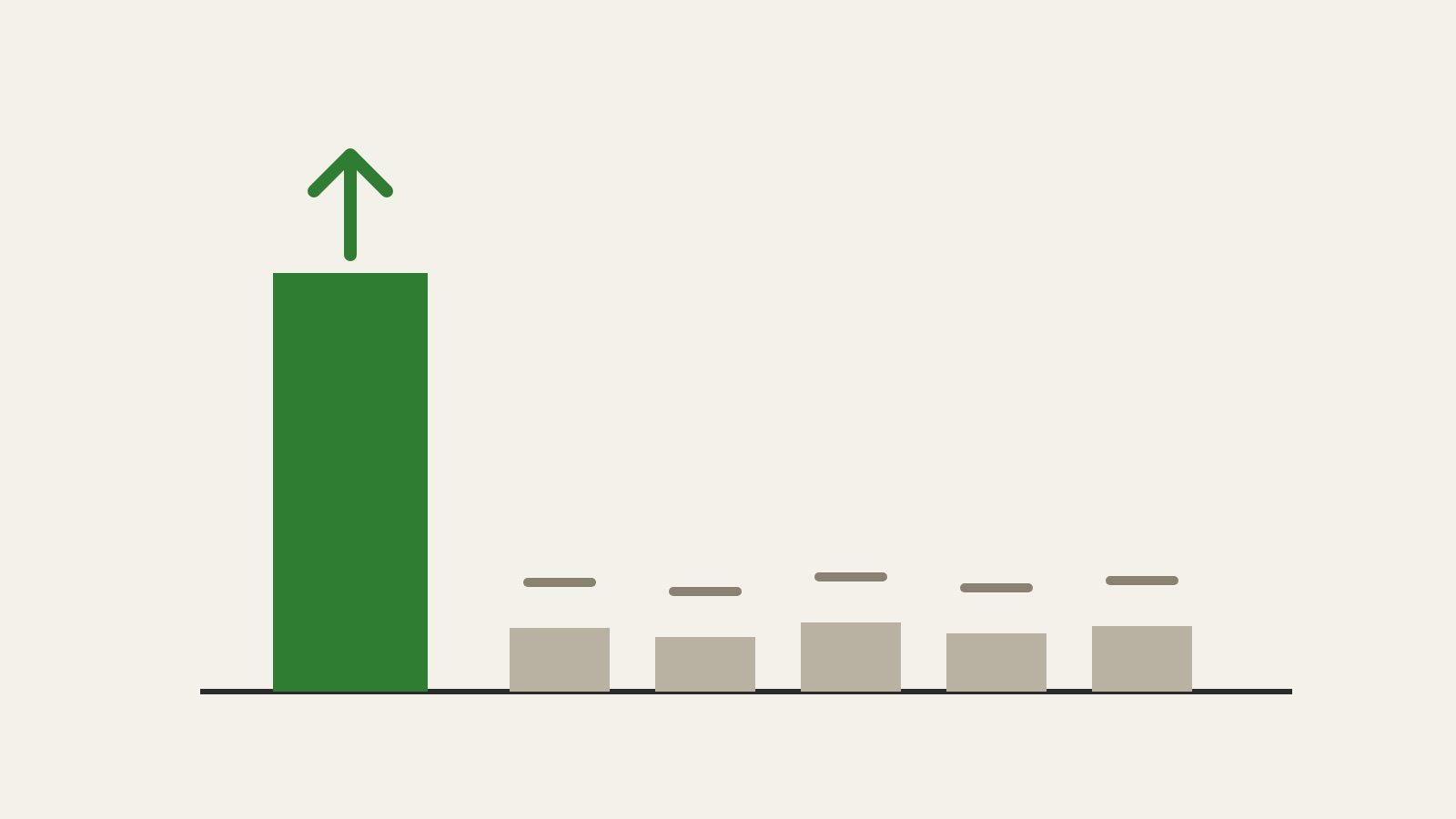
Does B12 Deficiency Cause Hair Loss? The Review Says It Cannot Tell You
direct answer, and it is not the one the supplement aisle gives: the lack of extensive studies
precludes any recommendation for vitamin B12 or folate screening or supplementation. Studies
comparing people with alopecia areata against healthy controls found no significant differences in
serum folate and vitamin B12 levels. The nutrients with actual evidence behind them are different
ones. On iron, most authors agree in supplementing patients with iron deficiency or low ferritin, with some
recommending ferritin be maintained above 40 ng/dL, or 70 ng/dL in severe
telogen effluvium. On vitamin D, most authors agree in supplementing patients who have hair loss and
vitamin D deficiency. Two things on the same shelf make hair loss worse: vitamin A above roughly
10,000 IU a day causes hair loss through hypervitaminosis A, and selenium above
400 mcg daily can cause toxicity whose symptoms include hair loss. And the reason almost
any remedy accumulates success stories: acute telogen effluvium is self-limited, with shedding lasting
less than 6 months by definition and a good recovery of hair density expected.
This search has an answer, and it is a clean one. It is just not about B12.
What the review actually says about B12
The relevant sentence is short enough to quote in full:
There are a few studies addressing the relationship between hair loss and folic acid or
vitamin B12, but the lack of extensive studies precludes any recommendation for vitamin B12 or folate
screening or supplementation.
Not “it does not work.” Not “it works.” Nobody has done the studies.
What has been looked at points the unexciting way. Comparisons of people with alopecia areata against
healthy controls found no significant differences in serum folate and vitamin B12 levels between the two
groups. If B12 deficiency were driving hair loss, that is the first place you would expect a gap, and there
was not one.
So if you have been taking B12 for your hair, you are not doing something dangerous. You are doing
something with no published support, aimed at the wrong nutrient.
The nutrients that do have evidence
| Nutrient | What the review concludes |
|---|---|
| Iron / ferritin | Most authors agree in supplementing patients with iron deficiency and/or low ferritin. Targets of >40 ng/dL, or 70 ng/dL in severe telogen effluvium. |
| Vitamin D | Most authors agree in supplementing patients with hair loss and vitamin D deficiency. Low levels associated with alopecia areata across multiple studies. |
| Zinc | Data are not homogenous. Screening for zinc is not recommended. |
| Biotin | Deficiency causes hair loss, but no evidence-based data that supplementing biotin promotes hair growth. |
| B12 / folate | Lack of studies precludes any recommendation for screening or supplementation. |
| Vitamin E | No data to support a role in androgenetic alopecia or telogen effluvium. |
Two rows carry a recommendation. The other four carry a shrug, and one of those four is the ingredient
the entire hair supplement category is built on.
The ferritin number is the useful part
Iron is where this stops being a shopping question and becomes a testing one, because the review gives
actual thresholds.
Some authors recommend maintaining serum ferritin above 40 ng/dL, and above
70 ng/dL in severe telogen effluvium. For detecting deficiency at all, a ferritin cut-off
of 30 mcg/L has a sensitivity of 92% and a specificity of
98%.
Those are exceptionally good test characteristics, which is worth appreciating. A test that catches 92%
of true cases and correctly clears 98% of non-cases is not a screening formality. It gives you a real
answer.
The honest caveat is in the same review: there is no consensus on normal ferritin levels.
Your lab may report 20 as normal while a dermatologist would treat it. That gap is exactly why the number
matters more than the word on the report.
The number worth having before you buy anything
Ferritin, and vitamin D. These are the only two nutrients on this page a review
was willing to recommend supplementing, and both recommendations are conditional on a measurement. Note
that a result inside your lab’s reference range may still be low for hair: the thresholds cited above are
40 and 70 ng/dL, which sit well above where many labs draw the line for normal.
At-Home Iron Deficiency Test [1 Pack] – Rapid Ferritin Test Kit for Adults,… (Amazon)
2-Pack Vitamin d Test kit at Home (Amazon)
As an Amazon Associate we earn from qualifying
purchases. We are pointing at tests rather than at a hair vitamin because the review attaches its
recommendations to deficiency, and deficiency is a number.
Two supplements that cause the thing you are treating
This is the section that should change what is in your cupboard.
Vitamin A. Consumption exceeding roughly 10,000 IU a day can lead to
vitamin A toxicity, and hypervitaminosis A causes hair loss. The review documents a patient taking
5,000 IU daily whose serum level reached 140 mcg/dL, well above normal, with hair loss.
Selenium. Ingestion exceeding 400 mcg daily may cause toxicity, and
the symptoms of acute or chronic selenium toxicity include nausea, vomiting, nail brittleness and
discolouration, hair loss, fatigability, irritability and a foul breath odour.
Now go and read the label of a hair, skin and nails supplement. Vitamin A and selenium are common in
that category, frequently at percentages of the daily value well above 100%. Stack a hair gummy on a
multivitamin on a fortified drink and the arithmetic is not hard to run.
The specific failure mode here is nasty: someone loses hair, buys a hair supplement, loses more hair,
and concludes they need a stronger one.
Why almost everything appears to work
Most sudden diffuse shedding is telogen effluvium, and understanding its natural course
explains the entire testimonial economy around hair products.
Normally about 85% of scalp hair is in the growing anagen phase and
15% is in the resting telogen phase. A shock pushes an abnormal share of follicles into
telogen at once, and they shed together some months later.
A thorough history can reveal a causative event occurring approximately 3 months before the
onset of the shedding. However, this timeframe could range from 1 to 6 months.
That delay is why people so rarely identify the cause. The trigger has been and gone by the time the
hair falls.
The listed triggers are worth reading, because most are not nutritional at all: acute febrile illness,
severe infection, major surgery, severe trauma, postpartum hormonal changes, hypothyroidism, sudden
discontinuation of estrogen-containing medications, crash dieting, low protein intake, heavy metal
ingestion, and iron deficiency. Medications too: beta-blockers, retinoids, anticoagulants,
propylthiouracil, carbamazepine, and immunisations.
And then the part that matters commercially:
By definition, the shedding in acute telogen effluvium lasts less than 6 months; often, the
shedding period is much shorter.
With a good recovery of hair density expected.
So: a self-limited condition that resolves within six months, whose trigger occurred months before
anyone noticed. Any product bought at the peak of shedding and taken through the recovery will be there
when the hair comes back. That is a calendar, not a mechanism.
What to actually do
- Look back three to six months, not at your diet today. An illness, an operation, a
birth, a crash diet, a new medication. That is where the cause usually is. - Get ferritin and vitamin D measured, and ask for the numbers rather than the word
normal. - Read the label of anything you already take for vitamin A and selenium, and add up
what you are getting across all sources. - Give it time before spending. Acute shedding is expected to stop inside six months,
which is roughly the period over which a supplement will look like it worked. - See a doctor if shedding lasts beyond six months, if there are bald patches rather
than diffuse thinning, or if there is scalp scarring, redness or pain. Those are different conditions with
different treatments.
Frequently Asked Questions
Does B12 deficiency cause hair loss?
There is not enough evidence to say. The published review of vitamins and minerals in hair loss states
that the lack of extensive studies precludes any recommendation for vitamin B12 or folate screening or
supplementation. Where comparisons have been made, studies found no significant differences in serum folate
and vitamin B12 levels between people with alopecia areata and healthy controls. B12 deficiency is worth
correcting for its own sake, since it causes neurological and haematological problems, but it is not the
established hair nutrient it is marketed as.
Which deficiency does cause hair loss?
Iron has the strongest case, followed by vitamin D. The review states that most authors agree in
supplementing iron in patients with iron deficiency and/or low ferritin levels, with some recommending
ferritin be maintained above 40 ng/dL, or 70 ng/dL in severe telogen effluvium. On vitamin D, most authors
agree in supplementing patients who have hair loss and vitamin D deficiency, with multiple studies
associating low levels with alopecia areata. Both recommendations are conditional on actually being
deficient.
Does biotin help hair growth?
Not on the evidence. The review is precise about the distinction: biotin deficiency causes hair loss, but
there are no evidence-based data that supplementing biotin promotes hair growth. Those are two different
claims and the supplement industry has spent years merging them. Actual biotin deficiency is rare in people
eating a normal diet. High-dose biotin also interferes with laboratory tests including thyroid function
assays, which matters here because thyroid disease is itself a documented cause of shedding.
Can a supplement make hair loss worse?
Yes, and two common ones can. Vitamin A intake above roughly 10,000 IU a day can cause toxicity, and
hypervitaminosis A causes hair loss. Selenium above 400 mcg daily may cause toxicity whose symptoms include
hair loss along with nausea, vomiting, nail brittleness and discolouration, fatigability, irritability and
foul breath odour. Both appear routinely in hair, skin and nails products, so check the label and add up
your total intake across every product you take.
Should I get my zinc tested?
The review says no. Its wording is that data correlating telogen effluvium and androgenetic alopecia with
zinc level are not homogenous, and screening for zinc is not recommended. That is a fairly unusual thing for
a review to state outright, and it is worth taking at face value rather than testing everything on the
principle that more information is better.
Why did my hair start falling out months after a stressful period?
Because that is how the hair cycle works. A shock pushes an abnormal proportion of follicles from the
growing phase into the resting phase simultaneously, and they shed together when the cycle reaches that
point. StatPearls puts the causative event at approximately 3 months before the onset of shedding, with a
range of 1 to 6 months. This delay is the main reason people fail to connect the two, and the main reason
they blame their current diet rather than an event from a season ago.
How long does shedding last?
By definition, acute telogen effluvium lasts less than 6 months, and the shedding period is often much
shorter, with a good recovery of hair density expected. That timeline is also why nearly every remedy
accumulates convincing before-and-after stories: a self-limited condition that resolves within months will
resolve during whatever you happen to be taking. If shedding continues beyond six months, that is a
different situation and worth a dermatology appointment.
What are the actual triggers?
StatPearls lists acute febrile illness, severe infection, major surgery, severe trauma, postpartum
hormonal changes, hypothyroidism, sudden discontinuation of estrogen-containing medications, crash dieting,
low protein intake, heavy metal ingestion and iron deficiency, plus medications including beta-blockers,
retinoids, anticoagulants, propylthiouracil, carbamazepine and immunisations. Most of that list is not
nutritional, which is the point. Two items are worth flagging for anyone currently dieting: crash dieting
and low protein intake both appear.
When should I see a doctor rather than wait?
If the shedding goes past six months, if you have discrete bald patches rather than diffuse thinning, or
if the scalp is scarred, red, scaly or painful. Diffuse shedding that resolves is one condition; patchy loss
and scarring loss are others, and the second group can cause permanent follicle damage if left. A doctor can
also check thyroid function and ferritin in one appointment, which covers two documented causes at once.
Sources
- Almohanna HM et al., The Role of Vitamins and Minerals in Hair Loss: A Review. There are a few studies
addressing the relationship between hair loss and folic acid or vitamin B12, but the lack of extensive
studies precludes any recommendation for vitamin B12 or folate screening or supplementation; studies found
no significant differences in serum folate and vitamin B12 levels between alopecia areata subjects and
healthy controls. Most authors agree in supplementing iron in patients with iron deficiency and/or low
ferritin levels, with some recommending maintaining serum ferritin above 40 ng/dL or 70 ng/dL; a ferritin
cut-off of 30 mcg/L has sensitivity and specificity for detecting iron deficiency of 92% and 98%; there is
no consensus on normal ferritin levels. Most authors agree in supplementing vitamin D in patients with hair
loss and vitamin D deficiency. Data correlating telogen effluvium and androgenetic alopecia with zinc level
are not homogenous, and screening for zinc is not recommended. Biotin deficiency causes hair loss, but there
are no evidence-based data that supplementing biotin promotes hair growth. Consumption of vitamin A
exceeding the recommended daily limit of approximately 10,000 IU a day can lead to vitamin A toxicity, and
hypervitaminosis A causes hair loss. Selenium ingestion exceeding 400 mcg daily may cause toxicity, with
symptoms including nausea, vomiting, nail brittleness and discolorations, hair loss, fatigability,
irritability and foul breath odour. There are no data to support the role of vitamin E in androgenetic
alopecia or telogen effluvium. Checked August 2026 —
PMC6380979 - Telogen Effluvium, StatPearls. A form of nonscarring alopecia characterised by diffuse, often acute,
hair shedding; in a normal healthy scalp about 85% is anagen hair and 15% is telogen hair; a thorough
history can reveal a causative event occurring approximately 3 months before the onset of the shedding,
though this timeframe could range from 1 to 6 months; causes include acute febrile illness, severe infection,
major surgery, severe trauma, postpartum hormonal changes, hypothyroidism, sudden discontinuation of
estrogen-containing medications, crash dieting, low protein intake, heavy metal ingestion and iron
deficiency, plus medications including beta-blockers, retinoids, anticoagulants, propylthiouracil,
carbamazepine and immunisations; by definition the shedding in acute telogen effluvium lasts less than 6
months, often much shorter; the prognosis for a good recovery of hair density occurs in acute telogen
effluvium. Checked August 2026 —
StatPearls NBK430848
All quoted conclusions and figures on this page are taken from the
two named sources and were checked against them in August 2026. Where a source declines to make a
recommendation, as the review does on vitamin B12, that refusal is reported rather than filled in. This page
summarises published dermatology literature, cannot examine your scalp, and is not a diagnosis.