Federal Judge Keeps Abortion Pill Mifepristone Available by Mail — For Now
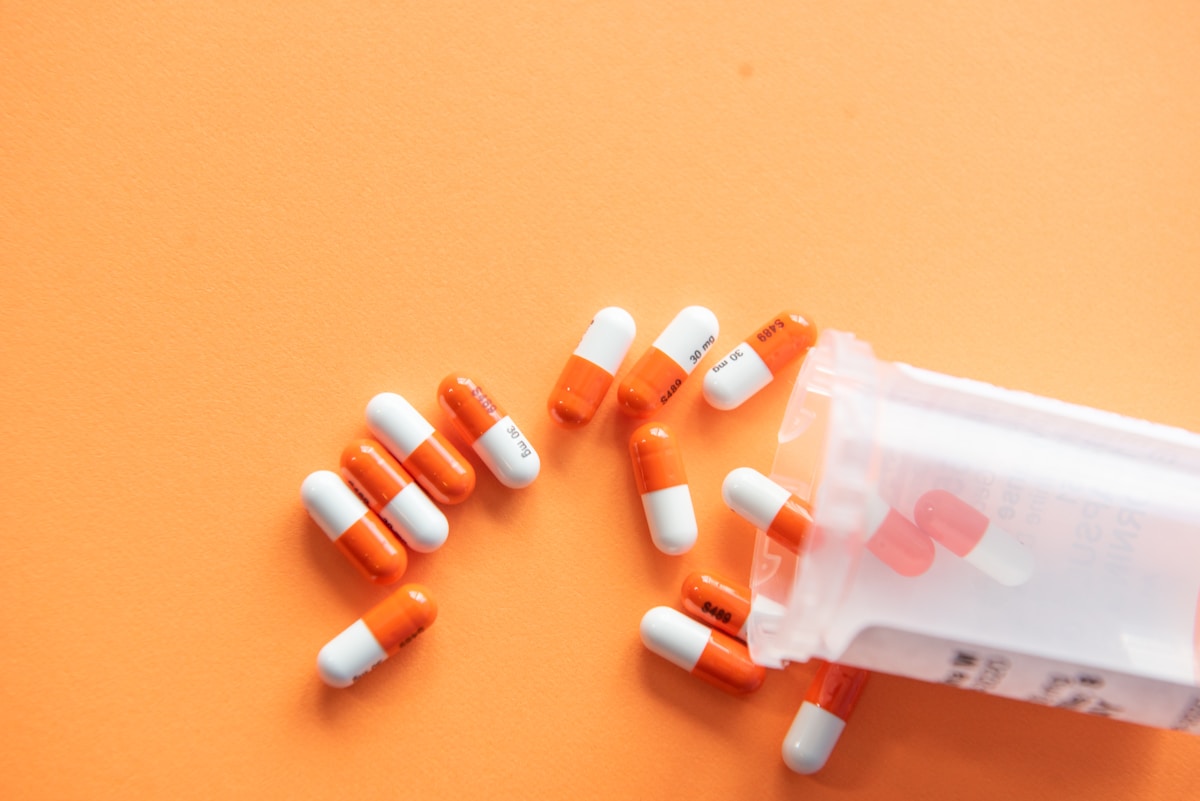
A federal judge in Louisiana has temporarily paused a lawsuit that aimed to block mail-order access to the abortion pill mifepristone. For now, people across the United States can still get the medication delivered to their homes.
U.S. District Judge David Joseph put the case on hold while the Food and Drug Administration (FDA) reviews its own safety rules for the drug. According to the judge’s ruling, the FDA has 60 days to update the court on its progress and six months to complete the review.
These rules, known as REMS, control who can prescribe mifepristone and whether it can be sent through the mail.
But Louisiana Attorney General Liz Murrill is not waiting for the FDA. She has already asked the Fifth Circuit Court of Appeals to suspend the 2023 rules, saying the state “is likely to succeed in showing that the 2023 REMS is unlawful.”
Experts say the drug is safe. “Decades of evidence and research from the U.S. and around the world show that mifepristone is safe and effective,” said Amy Friedrich-Karnik, director of federal policy at the Guttmacher Institute.
Dr. Sarah Prager, an OB-GYN at the University of Washington Medical Center, added, “These medications are so safe, they can be used as over-the-counter medications (and are in other countries).”
Friedrich-Karnik called the FDA review a “sham” designed to cut off access. Murrill said Louisiana is likely to win. The Fifth Circuit will hear arguments next.
For the estimated 1 in 4 people who get an abortion through telehealth, the outcome will decide whether that option remains open.
“While this case is paused and mifepristone access remains unchanged for now, we know the fight is far from over,” said Alexis McGill Johnson, president and CEO of Planned Parenthood Federation of America. “From the courts to the Trump administration to state legislatures across the country, mifepristone and abortion access are very much still under attack.”
1 in 4 rely on telehealth abortion
Medication abortion is now the most common way to end a pregnancy in the United States. According to the Centers for Disease Control and Prevention (CDC), it made up 63% of all abortions in 2023.
This method uses two drugs taken days apart. Mifepristone blocks the hormone progesterone, which is needed to maintain a pregnancy. Then, 24 to 48 hours later, a person takes misoprostol, which helps the uterus expel the pregnancy.
By the end of 2024, 1 in 4 people received their abortion through telehealth, according to the Society of Family Planning. During a virtual visit, a provider reviews a person’s medical history, checks for any health risks, and sends a prescription.
“Providers will take a really thorough health history to screen for allergies, worrisome pregnancy complications like ectopic pregnancy, anemia, or contraindications to medication abortion,” said Alyssa Sherer, DNP, a medical consultant to the Abortion Coalition for Telemedicine.
In 2025, the Guttmacher Institute estimated that residents of the 13 states with total abortion bans received about 91,000 telehealth abortions, including about 9,350 in Louisiana. That state has already issued the first criminal indictment of an abortion provider since the Dobbs decision — a New York physician who prescribed pills via telehealth to a Louisiana teenager.
“Reimposing barriers on mifepristone use would upend abortion provision nationwide, deepen racial and socioeconomic inequities in who can access care, and place additional strain on providers who are already navigating a fractured landscape,” said Friedrich-Karnik.
As abortion clinics close, telehealth and urgent care fill gaps
Part of the reason more people are turning to telehealth is that local abortion clinics are disappearing. When Planned Parenthood in Marquette, Michigan, closed last spring, about 1,100 patients lost their in-person provider.
“It’s a 500-mile stretch of no access,” said Dr. Shawn Brown, who added medication abortions to her urgent care practice to fill the gap. Brown described herself as “individually pro-life.”
“This preference for telemedicine is often due to barriers to care that are created by stigma, time, jobs, children, school, geography, ability, or many other aspects,” said Dr. Prager. “Telemedicine is a safe and evidence-based way to get care for both miscarriage and abortion.”
Sherer noted that a telehealth abortion appointment looks much like any other virtual visit. After reviewing a patient’s health history, the provider sends a prescription to a mail-order or retail pharmacy. The patient can stay in touch with their provider throughout the process, and follow-up care — including confirming the abortion is complete — can also happen remotely.
Abortion access varies widely from state to state. More information on finding access can be found here.
Medical Disclaimer: This article is for informational purposes only and does not constitute medical advice. Always consult a qualified healthcare professional before making any health decisions. Content reviewed by the HealthyMag Editorial Team.