C15:0 (Pentadecanoic Acid): The ‘Essential’ Fatty Acid You’ve Never Heard Of
This article contains affiliate links. We only recommend products we have independently researched. Reviewed by the HealthyMag Editorial Team. Last updated: July 2026.
Every so often a nutrient goes from lab obscurity to wellness-store shelves almost overnight. C15:0, or pentadecanoic acid, is one of them. It began with dolphins, moved through population studies of dairy eaters, and now sits inside a popular supplement called fatty15 that markets itself as the first essential fatty acid discovered in over 90 years. That is a big claim. This guide walks through what C15:0 is, what the human evidence shows, and where the science stops and the marketing begins.
What C15:0 Actually Is
C15:0 is a saturated fatty acid with 15 carbon atoms in its chain. The “odd” number matters. Most saturated fats in the diet have an even number of carbons, such as palmitic acid (C16:0) and stearic acid (C18:0). Fatty acids with an odd number of carbons, including C15:0 and its cousin heptadecanoic acid (C17:0), are collectively called odd-chain saturated fatty acids, or OCFAs.
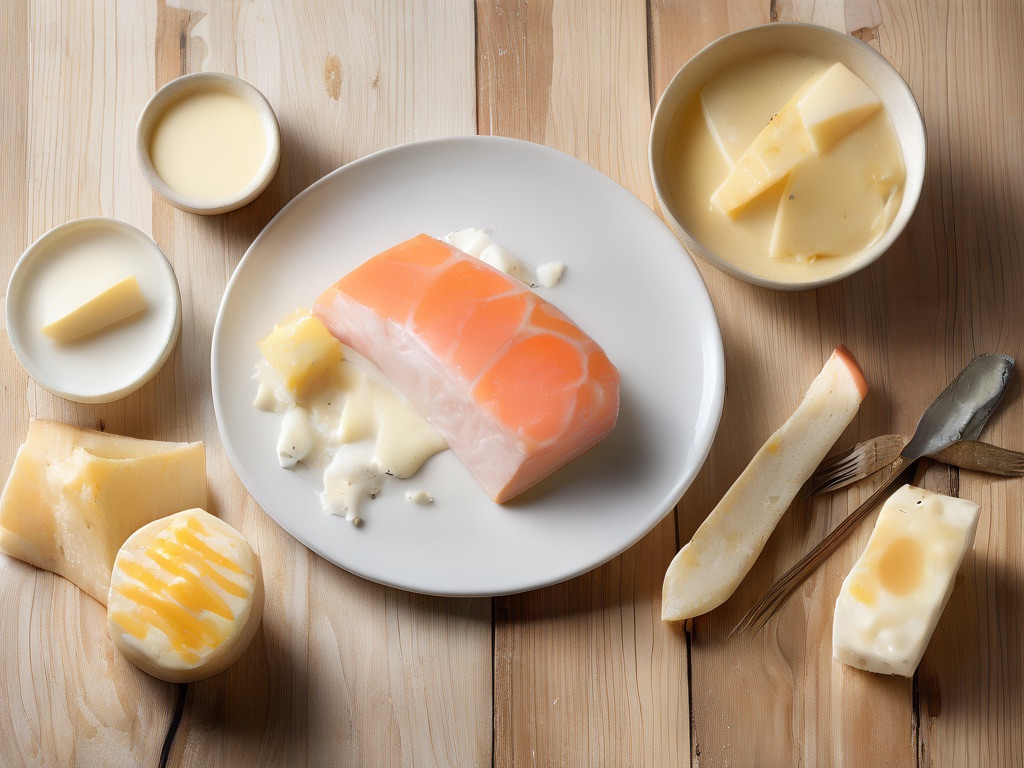
You get C15:0 mostly from whole-fat dairy: full-fat milk, butter, cheese, and yogurt. It also appears in smaller amounts in some fish and ruminant fat. The amount circulating in your blood tracks how much you eat, which is why researchers use it as a biomarker of dairy-fat intake. That dietary dependence is a key part of the “essential” argument below.
Here is the important nuance that gets lost in headlines: not all saturated fats behave the same way. In the large EPIC-InterAct study, even-chain saturated fats were associated with higher diabetes risk, while the odd-chain fats C15:0 and C17:0 were associated with lower risk (Forouhi et al., 2014). “Saturated fat” is not a single thing, and C15:0 is one of the more interesting exceptions.
The “Essential Fatty Acid” Claim: What’s Proposed and How Strong It Is
The idea that C15:0 might be “essential” comes primarily from a 2020 paper in Scientific Reports by Venn-Watson, Lumpkin, and Dennis. A nutrient is traditionally called essential when the body cannot make enough of it and you must obtain it from diet to stay healthy. The authors argued C15:0 could meet this bar for three reasons: blood levels correlate linearly with dietary intake (suggesting limited internal production), higher levels are repeatedly tied to better health outcomes in population studies, and average population C15:0 levels have been falling over roughly a 13-year period alongside rising rates of obesity, type 2 diabetes, and fatty liver disease.
That is a genuinely interesting hypothesis, and it is worth taking seriously. But “proposed as essential” is not the same as “recognized as essential.” As of 2026, no major nutrition authority, such as the Institute of Medicine, EFSA, or the WHO, classifies C15:0 as an essential nutrient, and there is no established Recommended Dietary Allowance. The two currently recognized essential fatty acids remain linoleic acid (omega-6) and alpha-linolenic acid (omega-3). The essential label for C15:0 is an emerging scientific argument, not settled consensus. It is also worth noting that the lead author co-founded the company that sells the C15:0 supplement, which does not make the science wrong but is a conflict of interest readers should weigh.
What the Human Evidence Actually Shows
This is where C15:0 is strongest, because the observational data is large and consistent. The catch is that nearly all of it is associational: it shows that people with more C15:0 in their blood tend to be healthier, not that taking C15:0 makes you healthier.
Type 2 diabetes. In the EPIC-InterAct case-cohort study, higher plasma C15:0 was linked to a lower risk of developing type 2 diabetes, with a hazard ratio of 0.79 (95% CI 0.73-0.85) per standard deviation increase (Forouhi et al., 2014). A separate pooled analysis across sixteen prospective cohorts of more than 60,000 people found a similar inverse association (HR around 0.80 for C15:0 and 0.65 for C17:0).
Heart disease. Reviews of the odd-chain fatty acid literature report that higher circulating C15:0 and C17:0 are generally associated with lower cardiovascular risk, consistent with the broader body of research suggesting dairy fat is not the heart villain it was once assumed to be.
Fatty liver disease. Higher blood C15:0 is associated with less liver fat and less severe non-alcoholic steatohepatitis (NASH). In one study, odd-chain fatty acids were significantly lower in patients with more advanced liver disease (a 2017 PLOS ONE study).
The single most important caveat: because C15:0 is a marker of dairy-fat intake, higher levels may simply reflect a different overall diet or lifestyle rather than a direct effect of the molecule. Observational associations cannot prove cause and effect. If you want the fuller picture on how whole dietary patterns beat single nutrients for heart health, our summary of what a 13,000-person study found about the Planetary Health Diet is a useful companion.
Proposed Mechanisms: Mitochondria and Cell Membranes
Researchers have proposed two main mechanisms, largely from cell and animal work.
First, cell membrane stability. C15:0 is a longer, sturdy saturated fatty acid that can incorporate into cell membranes and, in laboratory models, appears to make them more resistant to a type of iron-driven cell death called ferroptosis. More stable membranes are one proposed route to the “cellular resilience” language you see in marketing.
Second, mitochondrial function. In cell-based systems, C15:0 reduced mitochondrial reactive oxygen species (a form of oxidative stress) in a dose-dependent way, with reductions of roughly 13% to 18% at doses between 10 and 50 micromolar (Venn-Watson et al., 2020). In animals, C15:0 lowered inflammatory markers such as IL-6 and MCP-1, improved cholesterol and triglycerides, and slowed liver fibrosis. A separate PLOS ONE analysis across twelve human cell systems reported that C15:0 had broad anti-inflammatory activity and, unlike the omega-3 EPA, was not toxic to cells at the highest tested concentration (Venn-Watson & Butterworth, 2022).
These mechanisms are plausible, but remember they come mostly from cells and animals. Plausible mechanism plus observational association is a reason to keep studying something, not proof it works as a pill in people.
Food Sources vs Supplement (fatty15 / Pure C15:0)
You can raise your C15:0 through whole-fat dairy or a purified supplement. The supplement most people have heard of is fatty15, which uses a patented, vegan, free-fatty-acid form of pure pentadecanoic acid branded FA15, at 100 mg per capsule once daily. Because it is synthesized rather than extracted from animals, it avoids the calories and even-chain saturated fat that come with eating large amounts of butter or cheese.
| Source | Approx. C15:0 content | Notes |
|---|---|---|
| Whole milk (1 cup) | Small (trace amounts) | Comes bundled with even-chain saturated fat and calories |
| Butter (1 tbsp) | Small, but one of the more concentrated dietary sources by weight of fat | Roughly 1% of butterfat is C15:0 |
| Full-fat cheese | Small per serving | A staple C15:0 source in dairy-eating populations |
| Some fish | Small, variable | Part of the original dolphin-diet observation that sparked the research |
| fatty15 (FA15) supplement | 100 mg pure C15:0 per capsule | Vegan, single ingredient, no even-chain fat or added sugar |
For most people eating some dairy, meaningful amounts of C15:0 already come in through food. The supplement is a way to get a consistent, isolated dose without the accompanying dairy fat.
Dosage and What to Look For
The human supplement trials to date have used 100 to 200 mg of C15:0 per day. The commercial product provides 100 mg per capsule, the low end of that range. Pentadecanoic acid has been granted GRAS (Generally Recognized as Safe) status, and doses up to 100 to 200 mg per day have been well tolerated in short human studies without raising LDL cholesterol or causing weight gain.
If you decide to try a C15:0 supplement, the things worth checking are: the exact milligram dose per capsule (aim for the studied 100 to 200 mg range), whether it is the pure free-fatty-acid form rather than a blend, and third-party testing for purity. The current market leader is fatty15, which uses the patented FA15 form; some readers weighing it against fish oil may also want to read our piece on whether omega-3s help you stay strong as you age, since the two are often compared. As with any supplement aimed at blood sugar or metabolic health, it is not a replacement for the dietary and lifestyle basics, a point we make in our look at whether berberine actually works for blood sugar.
What’s Proven vs Still Emerging
Being honest about the gap between the marketing and the evidence is the whole point of this article. Here is the split.
| Reasonably established | Emerging or hyped |
|---|---|
| Higher blood C15:0 is associated with lower diabetes, heart, and liver risk in large observational studies | That taking C15:0 as a supplement produces those same outcomes in people |
| C15:0 is a reliable biomarker of dairy-fat intake | That C15:0 is a formally “essential” nutrient (proposed, not accepted) |
| C15:0 has anti-inflammatory and mitochondrial effects in cell and animal models | Big longevity or “reverse aging” claims in humans |
| Short-term supplementation appears safe and well tolerated | That it is clearly “3x better than omega-3” for health outcomes |
The two published human supplement trials illustrate the modesty of the current evidence. In the TANGO randomized controlled trial of 88 women with fatty liver, a Mediterranean-style diet drove most of the benefit; adding C15:0 further lowered LDL cholesterol and shifted the gut microbiome but did not dramatically outperform diet alone (Chooi et al., 2024). A separate small trial in young adults with overweight or obesity found that 200 mg daily raised blood C15:0 and was linked to lower ALT (a liver enzyme) and higher hemoglobin, but it involved only 30 people and was designed mainly to confirm the supplement raises blood levels safely (Robinson et al., 2024). Promising, but a long way from proof.
Safety
On safety, the news is genuinely reassuring in the short term. C15:0 holds GRAS status, and in the human trials run so far it has been well tolerated with no serious adverse effects, no rise in LDL cholesterol at studied doses, and no weight gain. In cell studies it was less toxic than the omega-3 EPA at high concentrations.
The honest limits: these trials are small and short (12 weeks), so we do not have long-term human safety data at supplemental doses over years, and there is no data specifically supporting use in pregnancy, breastfeeding, or in children. If you take medication for blood sugar, cholesterol, or liver conditions, or if you are pregnant, talk with your clinician before adding it. C15:0 is not a treatment for any disease.
Frequently Asked Questions
What is C15:0?
C15:0, or pentadecanoic acid, is an odd-chain saturated fatty acid with 15 carbon atoms. It is found mostly in whole-fat dairy such as butter, milk, and cheese, and in smaller amounts in some fish. It is also used as a biomarker of dairy-fat intake because blood levels rise with dairy consumption.
Is C15:0 really essential?
It has been proposed as an essential fatty acid in a 2020 Scientific Reports paper, based on the fact that blood levels depend on diet and that higher levels are tied to better health. But no major nutrition authority currently recognizes it as essential, and there is no official recommended intake. Treat “essential” as an emerging hypothesis, not established fact.
What foods contain C15:0?
The main dietary sources are whole-fat dairy products: full-fat milk, butter, cheese, and yogurt. Some fish and ruminant animal fats also contain small amounts. If you already eat some full-fat dairy, you are getting dietary C15:0.
Does fatty15 actually work?
fatty15 reliably raises your blood C15:0, and short human trials suggest it is safe and may nudge markers like LDL cholesterol and liver enzymes in a favorable direction. But the human trials are small and short, and most of the impressive-sounding benefits come from observational and cell studies, not from proof that the supplement delivers those outcomes. It is promising but not proven.
Is C15:0 better than omega-3?
In laboratory cell systems, C15:0 showed broader anti-inflammatory activity and was less toxic at high doses than the omega-3 EPA (Venn-Watson & Butterworth, 2022). But “better in a petri dish” is not the same as “better in people.” Omega-3s have decades of human outcome data; C15:0 does not. They are not directly interchangeable, and the “3x better than omega-3” marketing overstates what the human evidence supports.
Is C15:0 safe?
In the short-term human studies conducted so far, C15:0 has been well tolerated with GRAS safety status, no rise in LDL cholesterol at studied doses, and no reported serious side effects. Long-term safety at supplemental doses is not yet established, and it has not been studied in pregnancy or children.
How much C15:0 should I take?
Human trials have used 100 to 200 mg per day, and the leading commercial supplement provides 100 mg per capsule once daily. There is no official recommended dose because C15:0 is not a recognized essential nutrient. If you try it, staying within the studied 100 to 200 mg range is sensible.
Can I just eat dairy instead of supplementing?
Yes, whole-fat dairy is the natural source of C15:0, and populations that eat more dairy fat tend to have higher blood levels. The trade-off is that dairy also delivers even-chain saturated fat and calories, whereas a purified supplement provides isolated C15:0 without them. Which route makes sense depends on your overall diet and goals.
The Bottom Line
C15:0 is one of the more scientifically intriguing “new” nutrients in the wellness space, and it is refreshingly free of the pure snake-oil quality of many supplements. The observational link between higher blood C15:0 and lower diabetes, heart, and liver risk is real and reasonably consistent, and short human trials suggest supplementation is safe. But the headline “first essential fatty acid in 90 years” is a proposed hypothesis, not an established fact, and the strongest human data is associational, meaning it cannot prove the supplement itself delivers those benefits. If you want to try it, a 100 to 200 mg daily dose appears safe and low-risk, but treat it as a promising add-on to a good diet rather than a proven longevity breakthrough. Keep your expectations calibrated to the evidence, which is still emerging.
Sources
- Venn-Watson S, Lumpkin R, Dennis EA. Efficacy of dietary odd-chain saturated fatty acid pentadecanoic acid parallels broad associated health benefits in humans: could it be essential? Scientific Reports. 2020;10:8161. https://pmc.ncbi.nlm.nih.gov/articles/PMC7235264/
- Forouhi NG, et al. Differences in the prospective association between individual plasma phospholipid saturated fatty acids and incident type 2 diabetes: the EPIC-InterAct case-cohort study. Lancet Diabetes & Endocrinology. 2014;2(10):810-818. https://pubmed.ncbi.nlm.nih.gov/25107467/
- Venn-Watson SK, Butterworth CN. Broader and safer clinically-relevant activities of pentadecanoic acid compared to omega-3: Evaluation of an emerging essential fatty acid across twelve primary human cell-based disease systems. PLOS ONE. 2022;17(5):e0268778. https://journals.plos.org/plosone/article?id=10.1371/journal.pone.0268778
- Chooi YC, Zhang QA, Magkos F, et al. Effect of an Asian-adapted Mediterranean diet and pentadecanoic acid on fatty liver disease: the TANGO randomized controlled trial. American Journal of Clinical Nutrition. 2024;119(3):788-799. https://pubmed.ncbi.nlm.nih.gov/38035997/
- Robinson MK, et al. Pentadecanoic Acid Supplementation in Young Adults with Overweight and Obesity: A Randomized Controlled Trial. The Journal of Nutrition. 2024;154(9):2763-2771. https://pmc.ncbi.nlm.nih.gov/articles/PMC12612588/
- Pfeuffer M, Jaudszus A. Pentadecanoic and Heptadecanoic Acids: Multifaceted Odd-Chain Fatty Acids. Advances in Nutrition. 2016;7(4):730-734. https://pmc.ncbi.nlm.nih.gov/articles/PMC4942867/
- Fatty acids in non-alcoholic steatohepatitis: Focus on pentadecanoic acid. PLOS ONE. 2017. https://pmc.ncbi.nlm.nih.gov/articles/PMC5731750/