Under-Eye Wrinkles: Treatments Ranked by What Works
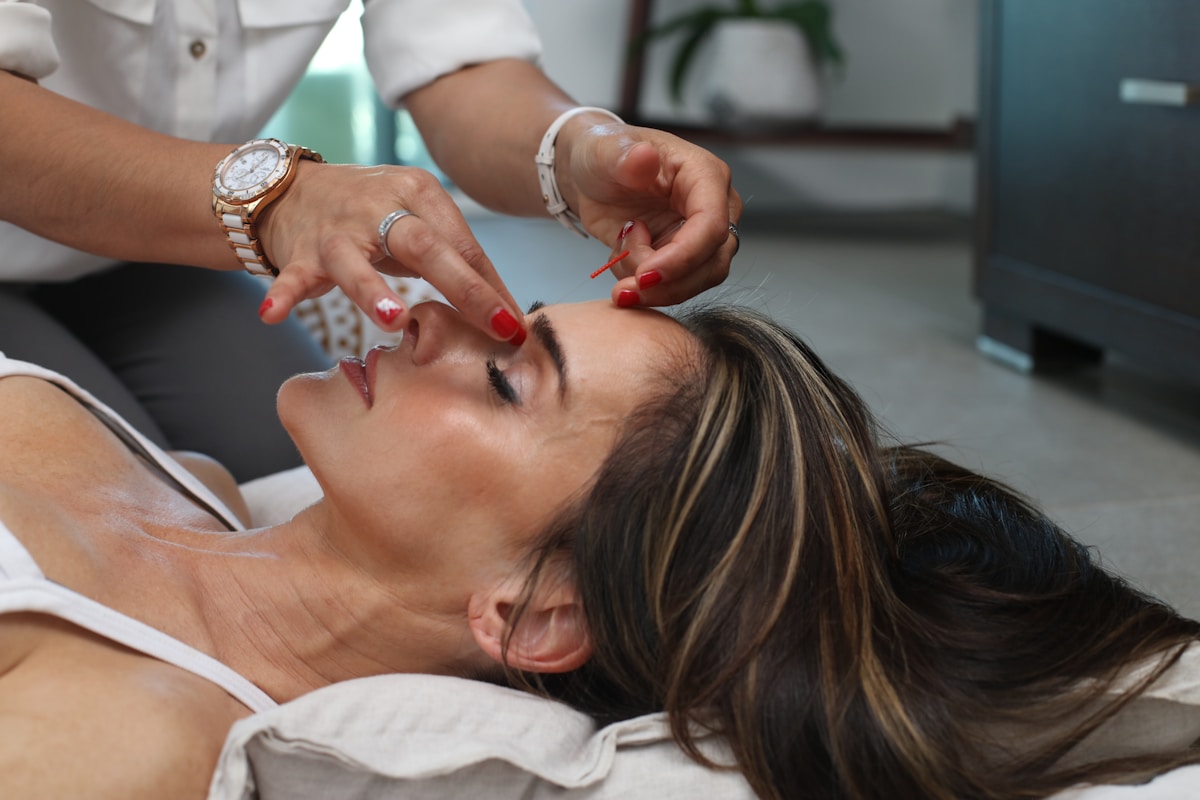
Under-eye wrinkles are among the most noticeable signs of skin aging — and one of the hardest areas to treat effectively. The skin under the eyes is the thinnest on the entire face (approximately 0.5mm, compared to 2mm elsewhere), has almost no sebaceous glands for natural moisture, and is subject to constant movement from blinking (approximately 10,000–15,000 blinks per day). This combination makes it uniquely vulnerable to both dehydration and repetitive-motion creasing.
The good news: under-eye wrinkles respond to treatment. Here’s what the evidence says — from topical ingredients to clinical options — and how to build a routine that genuinely helps.
Types of Under-Eye Wrinkles (and Why the Distinction Matters)
Not all under-eye wrinkles are the same, and identifying which type you’re dealing with determines which treatments work:
- Fine surface lines: Shallow creases visible when the skin is relaxed. Primarily caused by dehydration and collagen loss. Most responsive to topical treatment — hydration, peptides, and retinoids produce visible improvement.
- Dynamic wrinkles (crow’s feet): Lines that appear or deepen with squinting or smiling. Caused by orbicularis oculi muscle contractions. Botox is most effective for this type; topicals reduce their resting appearance but don’t eliminate their expressional component.
- Crepe-texture skin: A fine, tissue-paper texture indicating significant elastin loss. More common after 55. Responds to collagen-stimulating ingredients (retinoids, peptides) and volume restoration.
- Static deep lines: Lines visible at rest that have become permanently etched. These require longer treatment timelines and may need filler or laser resurfacing for significant improvement.
What Causes Under-Eye Wrinkles to Worsen
- UV exposure: Responsible for up to 80% of visible facial aging; photoaging degrades collagen and elastin in the thin periorbital skin faster than anywhere else on the face
- Dehydration: The under-eye area has almost no oil glands — it relies entirely on applied moisturizers and skin-barrier integrity to retain water
- Sleep deprivation: Reduces skin barrier function and increases cortisol, which suppresses collagen synthesis; studies confirm that poor sleepers show measurably more fine lines and reduced skin elasticity
- Smoking: Generates free radicals that destroy collagen and elastin; nicotine causes vasoconstriction that reduces blood flow to periorbital tissue
- Repeated squinting: Without glasses or contacts when needed, constant squinting accelerates dynamic wrinkle formation around the eyes
- Sleeping position: Side sleeping compresses the periorbital tissue against the pillow for hours each night, accelerating wrinkle formation on the lateral eye area
How to Get Rid of Under-Eye Wrinkles: Treatments Ranked
1. Botulinum Toxin (Botox) — Best for Crow’s Feet
For dynamic under-eye wrinkles — the crow’s feet that fan out from the outer eye corners and the lines that appear when squinting — botulinum toxin is the most effective intervention. By temporarily relaxing the orbicularis oculi muscle, it prevents the repetitive contractions that create and deepen these lines.
Results begin within 3–5 days, peak at 2 weeks, and last 3–4 months. The periorbital region requires precise placement by an experienced injector — too much toxin too close to the lower eyelid can cause ptosis or affect tear production. Properly administered, it dramatically smooths crow’s feet and reduces under-eye wrinkling at rest.
2. Peptide Eye Creams — Best Topical for Fine Lines
Peptides are the most appropriate anti-aging active for the delicate under-eye area because they stimulate collagen production without the irritation associated with retinoids — which many people cannot tolerate near the eyes. Matrixyl 3000, in particular, has clinical data showing significant wrinkle reduction with consistent use:
A double-blind, placebo-controlled study found Matrixyl 3000 (palmitoyl tripeptide-1 + palmitoyl tetrapeptide-7) reduced total wrinkle volume by up to 45% and wrinkle depth by up to 36% after 2 months of twice-daily application. These results are particularly relevant for fine-to-moderate under-eye lines where stimulating collagen and reducing existing wrinkle depth is the primary goal.
Idrotherapy — Peptide Cream for the Eye Area and Beyond
Formulated with Matrixyl 3000 and Renovage for women 45+, Idrotherapy’s lightweight cream is gentle enough for the under-eye area and can be applied morning and evening to the full face, eye area, neck, and décolleté. One product, multiple problem areas.
3. Retinoids (With Caution Near the Eyes)
Tretinoin is the gold standard for collagen stimulation and wrinkle reduction, but applying it directly to the under-eye area often causes significant irritation in the thin periorbital skin. The standard approach used by dermatologists: apply tretinoin to the face, stopping approximately 1cm from the eye area, and allow it to migrate slightly toward the periorbital skin over time. Alternatively, using a low-concentration retinol (0.025–0.05%) specifically formulated for the eye area reduces irritation risk.
For women who have experienced retinoid irritation, peptide-based alternatives produce collagen stimulation via a different, gentler mechanism — making them a practical substitute for the periorbital region specifically.
4. Hyaluronic Acid Filler — For Static Deep Lines
For deep, static under-eye hollows and lines that have become structural (visible at rest and not primarily a surface issue), hyaluronic acid dermal fillers can restore volume and smooth the under-eye area dramatically. The tear trough treatment is one of the most technically demanding filler placements — the thin skin and proximity to the orbital rim mean that poor technique results in visible lumps, Tyndall effect (bluish discoloration), or asymmetry. This procedure should only be performed by highly experienced injectors.
Results last 12–18 months for HA fillers in the tear trough. Cost typically $600–$1,200 per session depending on provider and location.
5. Caffeine and Antioxidant Eye Products — For Puffiness and Dark Circles
While not directly treating wrinkles, caffeine-containing eye products reduce puffiness (by vasoconstriction) and temporarily improve the appearance of the under-eye area, which makes wrinkles appear less prominent. Vitamin K and arnica reduce periorbital bruising and darkness from blood pooling. These are supportive rather than wrinkle-treating — but they address the full picture of under-eye aging.
6. Laser Resurfacing — For Significant Texture Issues
Fractional laser resurfacing (CO2 or erbium) and non-ablative laser treatments (Fraxel) are effective for moderate-to-severe periorbital wrinkles and crepe texture that haven’t responded adequately to topical treatment. They work by creating controlled thermal injury that stimulates collagen remodeling. Results can be dramatic, but recovery time (1–2 weeks for ablative, 3–5 days for non-ablative), cost ($1,000–$3,000+ per session), and the need for experienced operators make them a later-stage option.
The Daily Routine That Actually Helps
For women who want meaningful improvement without clinical procedures, consistency with an evidence-based topical routine is the key. For the under-eye area specifically:
Morning
- Gentle cleanser — avoid rubbing the periorbital area
- Lightweight peptide cream applied to the entire eye area including under-eye, lid, and outer corners
- SPF 30+ specifically — UV protection around the eyes is critical and frequently neglected
- Sunglasses outdoors — reduces squinting and provides additional UV protection
Evening
- Gentle makeup removal — no pulling or tugging on periorbital skin; micellar water applied with a soft cotton pad is safest
- Peptide eye treatment — apply with the ring finger (lightest pressure) using gentle tapping, not rubbing
- If using retinoid: apply to the face, stop 1cm from the eye area
🔎 Our researched pick: Idrotherapy works well in both morning and evening steps — its lightweight texture absorbs without heaviness and its Matrixyl 3000 + Renovage combination addresses the core causes of under-eye line formation throughout the day and overnight.
Affiliate link — if you buy through it we may earn a commission at no extra cost to you.
Realistic Expectations: What to Expect and When
| Treatment | Best For | Timeline to Results |
|---|---|---|
| Botox (crow’s feet) | Dynamic expression lines | 3–7 days |
| Peptide cream (Matrixyl 3000) | Fine lines, surface texture | 4–8 weeks for initial; 2–3 months for significant |
| Retinoid (low-dose near eyes) | Fine to moderate lines | 8–12 weeks |
| HA filler (tear trough) | Hollowing, deep static lines | Immediate, lasts 12–18 months |
| Fractional laser | Crepe texture, deep lines | 3–6 months post-treatment |
Lifestyle Factors That Make the Biggest Difference
- Sleep quality and duration: 7–9 hours allows skin barrier repair and collagen synthesis that happens primarily during slow-wave sleep. Chronic sleep deprivation measurably accelerates periorbital aging.
- Hydration: Systemic dehydration shows first in the thin under-eye skin. Adequate water intake (2–2.5L daily) visibly improves under-eye plumpness within 24–48 hours.
- Sunglasses: Wearing sunglasses outdoors eliminates the squinting reflex that drives crow’s feet and accelerates lateral under-eye wrinkling. This is free, immediate, and consistently effective.
- Silk pillowcase: Reduces friction-based skin compression during sleep compared to cotton; particularly relevant for side sleepers who compress the lateral eye area for hours nightly.
- Alcohol reduction: Alcohol is profoundly dehydrating and disrupts sleep quality — both mechanisms directly worsen under-eye appearance.
The Peptide Approach for Women 45+
Idrotherapy combines Matrixyl 3000 + Renovage in a formula specifically designed for mature skin — gentle enough for the periorbital area, effective morning and evening, and can be applied from the eye area down to the neck and décolleté in a single step. 1-year money-back guarantee.
Bottom Line
Under-eye wrinkles are among the most treatable signs of facial aging when approached correctly. Fine surface lines respond well to peptide creams with consistent use over 2–3 months. Dynamic crow’s feet are best addressed with Botox. Deep structural hollowing benefits from filler. Significant crepe texture may need laser.
For most women, the combination of a quality peptide cream applied twice daily, daily SPF around the eyes, wearing sunglasses outdoors, and prioritizing sleep quality produces meaningful visible improvement over 8–12 weeks — without clinical procedures. The key is starting and maintaining consistency rather than cycling through products every few weeks without adequate time to evaluate results.
This article is for informational purposes only. Consult a board-certified dermatologist for diagnosis and personalized treatment recommendations.