Jamaican Black Castor Oil: What It Does and the Risks
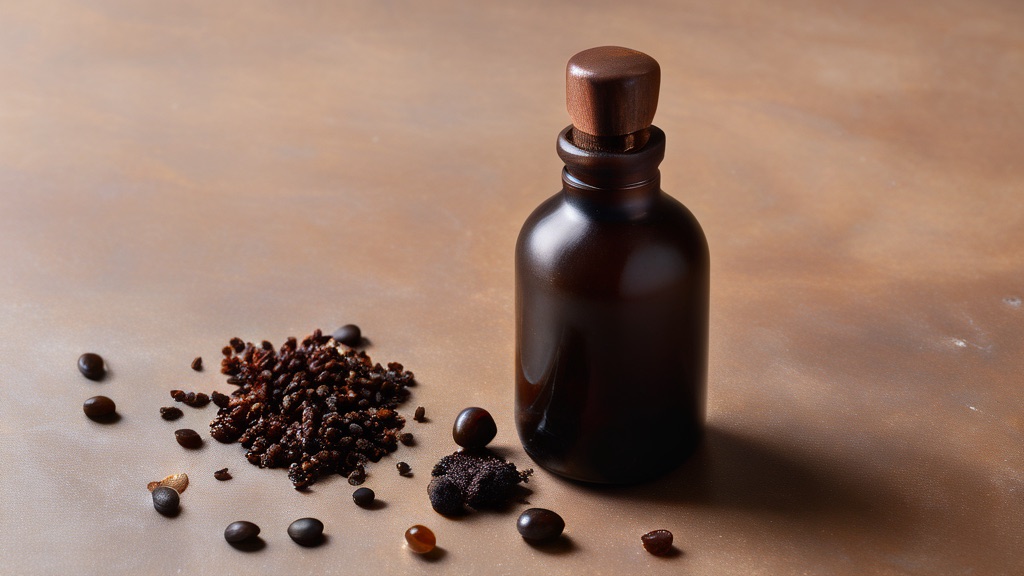
Jamaican black castor oil (JBCO) has a devoted following, especially for hair — scroll any beauty feed and you’ll see it credited for dramatic growth, thicker edges, and longer lashes. It’s a genuinely useful oil, but the biggest claim (that it grows hair) is also the shakiest. Here’s an honest, evidence-based look at what Jamaican black castor oil really does for your hair and skin, what it doesn’t, and how to use it safely.
What Jamaican Black Castor Oil Actually Is
Castor oil is pressed from the seeds of the castor plant and is roughly 90% ricinoleic acid, an unusual fatty acid with moisturizing and soothing properties (Patel et al., Lipid Insights, 2016). What makes the “Jamaican black” version different is processing: the castor beans are roasted before pressing, producing a darker oil with ash content and a higher (more alkaline) pH. That’s the only meaningful difference — it’s the same oil, just roasted.
Does Jamaican Black Castor Oil Actually Grow Hair?
This is the claim that sells the bottles, so here’s the honest answer: there is no robust clinical evidence that castor oil — black or regular — grows new hair or reverses balding. No controlled trial has shown castor oil regrows follicles or reverses androgenetic alopecia or alopecia areata. Dermatologists are consistent on this: castor oil can support a healthier scalp environment, and one study noted improved hair luster, but that is not the same as growing hair. If you want treatments proven to regrow hair, that’s minoxidil and finasteride — not an oil.
So why do people swear it works? A well-conditioned scalp and shaft mean less breakage, so hair reaches a longer length before snapping — which looks like “growth” even though the follicle’s output hasn’t changed. That’s a real, worthwhile benefit; it’s just not new-hair growth. It’s the same “correlation isn’t cause” trap we cover in our piece on the prenatal-vitamins-for-hair myth.
What It Genuinely Does Well
Judged as a moisturizing oil rather than a hair-growth drug, JBCO earns its reputation:
- Deep moisture for hair and scalp. Its thickness and ricinoleic acid help seal in moisture, easing dryness, dandruff, and an itchy scalp.
- Less breakage and more shine. Coating the strands reduces friction and snapping, and adds visible luster — especially useful for coarse, curly, or dry hair.
- Softer skin and lips. As an emollient it works well on dry patches, chapped lips, and rough areas.
- Brow and lash conditioning. It won’t make lashes grow, but it conditions them so they look glossier and break less.
- Soothing properties. Ricinoleic acid has been studied for anti-inflammatory activity, which may help a irritated scalp feel calmer.
Jamaican Black vs. Regular Castor Oil
Marketing implies the black version is dramatically better. It isn’t — for hair growth, Jamaican black castor oil does not outperform regular castor oil. The roasting-derived alkalinity may help the oil absorb into the hair shaft for some people, but if your scalp is sensitive or already alkaline, that same property can irritate. Choose based on your scalp, not the hype.
| Jamaican Black Castor Oil | Regular Castor Oil | |
|---|---|---|
| Processing | Roasted beans, ash content | Cold-pressed, clear/pale |
| pH | More alkaline | Closer to neutral |
| Moisturizing | Yes | Yes |
| Grows new hair? | No clinical evidence | No clinical evidence |
| Best for | Coarse/curly hair, absorption | Sensitive scalps |
How to Use It Safely
- Use sparingly — once or twice a week. More is not better; too much makes hair greasy and hard to wash out.
- Dilute it. Mix a small amount with a lighter carrier oil (like jojoba or coconut) to cut the thick, sticky texture.
- Patch test first. Apply a little to your inner arm and wait 24 hours to rule out an allergic reaction.
- Warm it slightly for easier spreading, and massage a thin layer into the scalp or along the strands.
- Avoid broken or acne-prone skin, where heavy oils can irritate or clog pores.
The Risks — Including Acute Hair Felting
JBCO is low-risk when used sensibly, but there are real downsides to know:
- Acute hair felting (matting). In a documented case (Maduri et al., International Journal of Trichology, 2017), a woman’s hair suddenly matted into an irreversible “bird’s nest” after applying castor oil, because its high viscosity plus washing caused hair fibers to bond together. It’s rare but can require cutting the hair off — a strong reason not to slather it on thickly, especially with long hair.
- Greasiness and buildup that’s hard to wash out and can weigh hair down.
- Allergic reactions or scalp irritation, more likely with the alkaline black version.
- Clogged pores or breakouts when used heavily on facial skin.
Where to buy: Jamaican black castor oil
Look for 100% pure, hexane-free Jamaican black castor oil; a lighter carrier oil to dilute it makes it far easier to use.
- Handcraft Blends Cold-Pressed Jamaican Black Castor Oil – 4 Fl Oz (Amazon)
- Handcraft Blends Organic Jojoba Oil – 8 Fl Oz (Amazon)
As an Amazon Associate we earn from qualifying purchases. This is shopping information, not medical advice.
Frequently Asked Questions
What are the benefits of Jamaican black castor oil?
Its real, evidence-consistent benefits are moisturizing: it conditions the scalp and hair, reduces breakage, adds shine, soothes dryness and dandruff, and softens dry skin and lips. Because it reduces breakage, hair can reach a longer length before snapping. The high ricinoleic acid content is behind these emollient and soothing effects. What it does not have is proof that it grows new hair.
Does Jamaican black castor oil really grow hair?
There is no robust clinical evidence that it grows new hair or reverses hair loss. No controlled trial has shown castor oil regrows follicles. What it does is condition the hair and scalp so hair breaks less and looks healthier and longer — which people often mistake for growth. For genuine regrowth, proven treatments are minoxidil and finasteride, not castor oil.
Is Jamaican black castor oil better than regular castor oil?
Not for hair growth — the two perform similarly, and neither has growth evidence. The black version is made from roasted beans and is more alkaline, which may help it absorb into the hair shaft for some people but can also irritate sensitive or already-alkaline scalps. Choose based on your hair type and scalp sensitivity rather than assuming black is automatically superior.
How often should you use Jamaican black castor oil?
Once or twice a week is plenty. It’s thick and sticky, so using it more often makes hair greasy, hard to wash, and — in rare cases — risks matting. Dilute it with a lighter oil like jojoba or coconut, apply a thin layer to the scalp or strands, and wash it out thoroughly. More frequent or heavier use adds problems, not benefits.
Can Jamaican black castor oil cause hair to mat?
Yes, rarely. There is a documented case of acute hair felting — sudden, irreversible matting into a “bird’s nest” — after castor oil application, caused by the oil’s high viscosity combined with washing. It’s uncommon but serious enough (sometimes requiring the hair to be cut off) that you should use only a small, diluted amount rather than saturating long hair.
Does castor oil grow eyebrows and eyelashes?
There’s no clinical proof it grows brows or lashes, but it does condition them, so they look glossier and break less. Applying it near the eyes carries a risk of irritation if it gets into them, so use a clean spoolie and a tiny amount. If you want proven lash growth, prescription products exist; castor oil is a conditioner, not a growth serum.
Is Jamaican black castor oil good for skin?
Yes, as a moisturizer. Its emollient ricinoleic acid softens dry patches, chapped lips, and rough skin, and it has been studied for soothing, anti-inflammatory properties. However, it’s heavy and can clog pores or trigger breakouts on acne-prone facial skin, so use it lightly there and avoid broken skin. Patch test first to rule out a reaction.
The Bottom Line
Jamaican black castor oil is a genuinely good moisturizing oil: it conditions hair and scalp, cuts breakage, adds shine, and soothes dry skin — all real benefits worth the modest price. Where it falls short is the headline promise. There’s no clinical evidence it grows new hair or beats regular castor oil, and overusing it can cause greasy buildup or, rarely, serious matting. Treat it as a conditioning treatment, not a hair-growth cure: use a small, diluted amount once or twice a week, and keep your expectations honest.
Sources
- Patel VR, Dumancas GG, Kasi Viswanath LC, Maples R, Subong BJJ. Castor Oil: Properties, Uses, and Optimization of Processing Parameters in Commercial Production. Lipid Insights. 2016;9:1-12. Link
- Maduri VR, Vedachalam A, Kiruthika S. “Castor Oil” – The Culprit of Acute Hair Felting. International Journal of Trichology. 2017;9(3):116-118. Link
This article is for informational purposes only and does not constitute medical advice. For hair loss or persistent scalp problems, see a dermatologist about treatments proven to work.