Oyster Benefits: Why They’re One of the Most Nutrient-Dense Foods (and the Raw Oyster Risk)
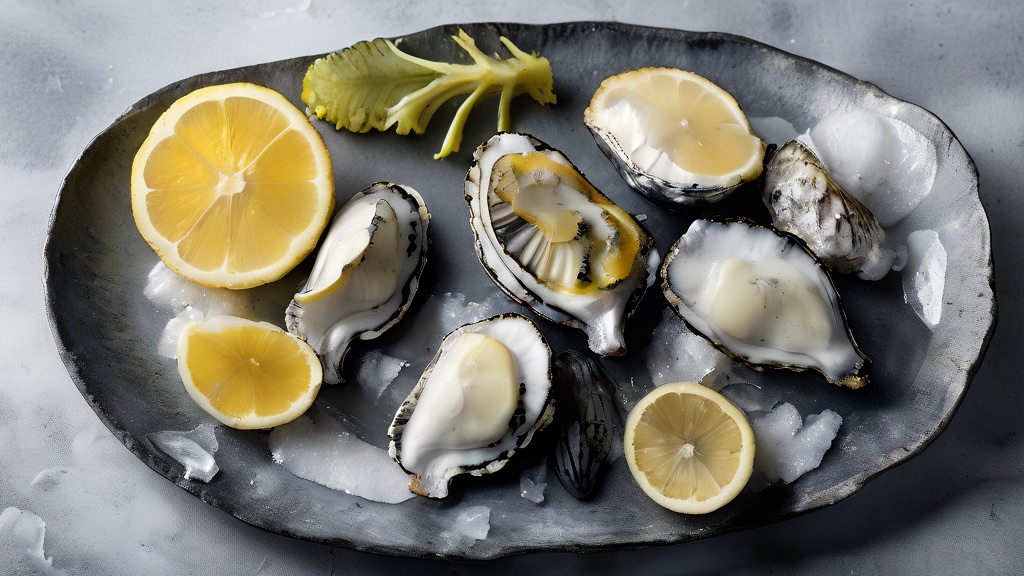
Oysters have a double reputation: a fancy delicacy and a supposed aphrodisiac. But strip away the romance and the raw-bar theatrics, and what you’re left with is one of the most nutrient-dense foods on the planet. Here’s an honest, evidence-based look at what oysters actually do for your health, which claims hold up, and the one safety issue you genuinely need to respect.
Just How Nutrient-Dense Are Oysters?
Extremely. A 3.5-ounce (100 g) serving — about six medium oysters — provides more than 100% of the daily value for vitamin B12, zinc, and copper, plus meaningful amounts of selenium, iron, and manganese, all for roughly 50–80 calories. To put it in perspective, six medium oysters supply around 290% of the daily value for zinc and over 500% for vitamin B12. Few foods pack this much micronutrient value into so few calories.
The Real Health Benefits
A Major Immune Boost (Zinc)
Oysters contain more zinc than almost any other food, and zinc is essential for a working immune system — it’s needed to develop and activate the T-cells that fight infection. Zinc deficiency measurably impairs immunity, so oysters are a genuinely useful way to top up, especially during cold and flu season. Zinc is also important for skin and gum-tissue health, which is why it shows up in our guide to nutritional causes of bleeding gums.
Energy, Nerves, and Brain (B12, Iron, Omega-3)
Oysters are loaded with vitamin B12, which is essential for red blood cells, nerve function, and energy — a big deal given how common B12 shortfalls are in older adults and plant-based eaters (see our guide to who really needs B12). Their iron supports oxygen transport, and their omega-3 fatty acids (EPA and DHA) support brain and heart health, though at lower levels than oily fish like salmon.
Antioxidant and Thyroid Support (Selenium)
The selenium in oysters is a potent antioxidant that helps protect cells from oxidative stress and is essential for healthy thyroid function. Combined with zinc and copper, oysters deliver a strong package of trace minerals many diets fall short on.
Lean, High-Quality Protein
Oysters provide complete protein with all essential amino acids for very few calories — a lean, nutrient-rich protein source that fits almost any healthy eating pattern.
The Aphrodisiac Myth
Let’s be honest about the reputation. Oysters are famous as an aphrodisiac, but there’s no good scientific evidence they boost desire or performance directly. The kernel of truth is that oysters are rich in zinc, and zinc is important for testosterone and reproductive health — but correcting a zinc deficiency only helps if you were actually deficient. For a well-nourished person, eating oysters won’t deliver a special libido effect beyond nutrition and, perhaps, the romantic setting they’re usually served in. Enjoy them for the nutrition, not the mythology.
| Benefit | Evidence |
|---|---|
| Immune support (zinc) | Strong |
| Energy & nerve health (B12, iron) | Strong |
| Brain & heart (omega-3, B12) | Good |
| Antioxidant / thyroid (selenium) | Good |
| Aphrodisiac / libido boost | Not supported (beyond correcting zinc deficiency) |
The One Safety Issue That Matters: Raw Oysters
This is the honest caution. Raw or undercooked oysters can carry Vibrio vulnificus, a bacterium that can cause severe illness. For most healthy people it may mean an unpleasant stomach upset, but for those with liver disease, diabetes, hemochromatosis (iron overload), or a weakened immune system, a Vibrio infection can be life-threatening. Raw oysters can also carry norovirus. If you’re in a high-risk group, eat oysters fully cooked rather than raw. For everyone, buy from reputable sources, keep them cold, and don’t eat oysters that are open and won’t close, or that smell off.
How to Enjoy Oysters Healthily
- Cook them if you’re at risk (liver disease, diabetes, weakened immunity, pregnancy) — steaming, grilling, or frying kills Vibrio.
- Don’t overdo the zinc. Oysters are so zinc-rich that eating large amounts very frequently could push you past safe zinc limits over time, which can interfere with copper. A serving a few times a week is plenty.
- Watch the toppings. Heavy butter, cheese, or fried batter undercuts the health benefits.
- Buy fresh and cold from a reputable seller, and eat them promptly.
Where to buy: oysters and zinc
Canned or smoked oysters are a convenient, shelf-stable way to get the nutrients; if you just want the zinc, a supplement is an easy option (don’t exceed recommended amounts).
- Bumble Bee Hardwood Smoked Oysters, 3.75 oz (Pack of 12) (Amazon)
- Nature’s Bounty Zinc 50mg Caplets, Immune Support, 250 ct (Amazon)
As an Amazon Associate we earn from qualifying purchases. This is shopping information, not medical advice.
Frequently Asked Questions
What are the health benefits of oysters?
Oysters are exceptionally nutrient-dense: six medium oysters deliver several times your daily zinc and vitamin B12, plus selenium, copper, iron, omega-3s, and lean protein for very few calories. That translates into real benefits for immune function (zinc), energy and nerve health (B12, iron), brain and heart health (omega-3s), and antioxidant and thyroid support (selenium). They’re one of the most nutrient-rich foods you can eat.
Are oysters really an aphrodisiac?
Not in the way the legend suggests. There’s no solid scientific evidence that oysters directly boost libido or sexual performance. The grain of truth is that oysters are very high in zinc, which supports testosterone and reproductive health — but that only makes a difference if you were zinc-deficient. For a well-nourished person, any effect is more about the romantic setting than the shellfish. Enjoy them for nutrition, not as a proven aphrodisiac.
Are raw oysters safe to eat?
For healthy people the risk is low if the oysters are from a reputable source and properly handled, but raw oysters can carry Vibrio vulnificus bacteria and norovirus. For people with liver disease, diabetes, hemochromatosis, or weakened immunity, a Vibrio infection can be life-threatening, so those individuals should eat oysters fully cooked. When in doubt, cook them — steaming or grilling kills the bacteria.
How many oysters can you eat in a day?
A serving of about six oysters is plenty and already provides several times your daily zinc. Because oysters are so zinc-rich, eating very large quantities frequently could push you past safe long-term zinc limits, which can interfere with copper absorption. Enjoying oysters a few times a week is a healthy amount; there’s no need to eat them in large quantities daily.
Are oysters good for testosterone?
Indirectly, through zinc. Zinc is essential for testosterone production, and oysters are one of the richest food sources of it — so if you’re zinc-deficient, oysters can help restore healthy testosterone levels. But if your zinc status is already adequate, eating oysters won’t raise testosterone above normal. They’re a great way to prevent or correct a deficiency, not a testosterone booster for the already well-nourished.
Are oysters good for your immune system?
Yes, largely because of their zinc. Zinc is required to develop and activate the T-cells that fight infection, and deficiency impairs immunity. Oysters contain more zinc than almost any other food, making them an excellent way to support immune function, especially during cold and flu season. Their selenium and B12 add further support for overall immune and cellular health.
The Bottom Line
Behind the fancy reputation, oysters are simply one of the most nutrient-dense foods available — a small serving delivers a huge dose of zinc and B12 plus selenium, iron, copper, and omega-3s, all for very few calories. That makes them genuinely good for immunity, energy, and brain and thyroid health. The aphrodisiac claim is mostly myth, useful only if you happen to be zinc-deficient. The real thing to respect is food safety: if you have liver disease or a weakened immune system, skip raw oysters and eat them cooked. Otherwise, enjoy them as the nutritional powerhouse they are.
Sources
- U.S. Department of Agriculture, FoodData Central. Mollusks, oyster, eastern (nutrient composition). Link
- National Institutes of Health, Office of Dietary Supplements. Zinc — Fact Sheet for Health Professionals (zinc, immunity, upper limits). Link
- Centers for Disease Control and Prevention. About Vibrio Infection (raw oysters, food-safety risk). Link
This article is for informational purposes only and does not constitute medical advice. If you have liver disease, a weakened immune system, or are pregnant, avoid raw oysters and consult your clinician.