Urolithin A and Your Mitochondria: What the Research Shows
Few supplement ingredients have jumped from obscure gut-chemistry papers to glossy longevity marketing as quickly as urolithin A. It is sold in capsules and powders with promises about “mitochondrial renewal,” better muscle, and slower aging. Some of the underlying science is genuinely interesting. A lot of the marketing runs well ahead of what has actually been measured in people. This is a plain, careful look at what the human research shows, and just as importantly, what it does not show yet.
Quick answer: Urolithin A is a compound your gut bacteria make when you eat pomegranates, walnuts, and certain berries. In laboratory and animal studies it triggers mitophagy, the cleanup process that recycles worn-out mitochondria. Human trials so far are small and often industry-funded, but the better ones do show it is safe and can modestly improve muscle endurance and mitochondrial biomarkers in middle-aged and older adults. What it has not done is prove any effect on lifespan, disease prevention, or “reversing aging.” Treat it as a promising research compound with early, modest human data, not as a proven anti-aging therapy.
What urolithin A actually is and where it comes from
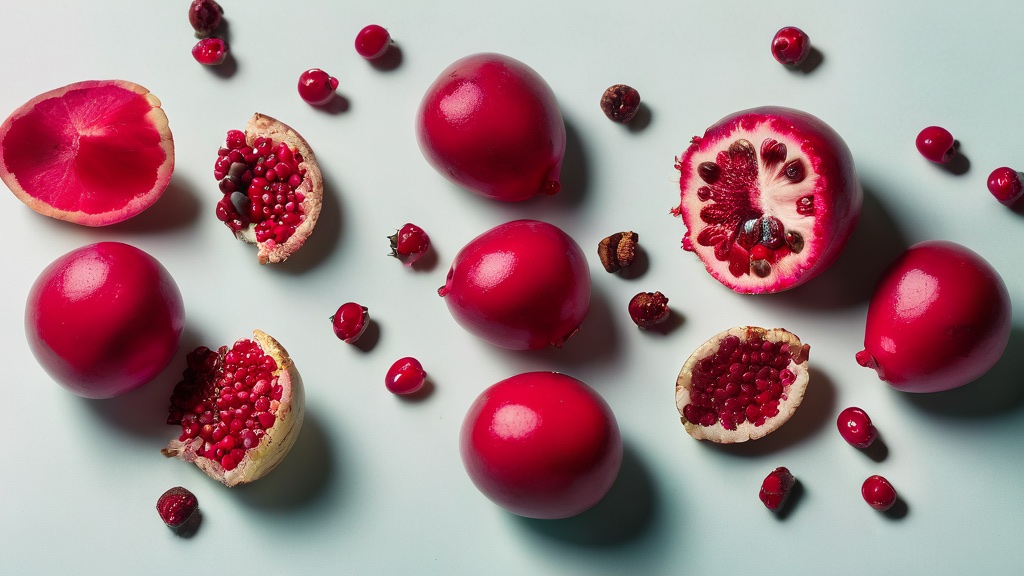
Urolithin A is not something plants contain directly, and it is not something you can reliably eat. It is a postbiotic, meaning it is produced by your gut microbiome as a byproduct of digesting other compounds. When you eat foods rich in ellagitannins and ellagic acid, such as pomegranates, walnuts, raspberries, strawberries, and some nuts, your gut bacteria break those large molecules down through several steps. In people whose microbiome carries the right bacterial species, the end product of that fermentation is urolithin A.
Here is the catch that most marketing skips over. Not everyone’s gut produces meaningful amounts of it. Studies that measure urolithin A in blood or urine after a standardized pomegranate or walnut dose consistently find that people fall into rough groups: high producers, low producers, and some who barely produce any at all. Estimates vary, but a substantial fraction of adults, often cited as roughly a third to 40 percent depending on the population studied, do not appear to convert ellagitannins into urolithin A efficiently. Your production depends on which bacteria you happen to carry, which is shaped by diet, geography, antibiotics, and age.
This variability is the core reason supplement companies exist. If you cannot count on your own microbiome to make the compound, the argument goes, you take the finished molecule directly. That logic is sound in principle. Whether the finished molecule delivers the benefits people hope for is the part that still needs better evidence.
The mitophagy mechanism: why researchers got excited
Mitochondria are the small structures inside your cells that generate most of your usable energy. Like any hard-working machinery, they wear out, accumulate damage, and become less efficient over time. Cells have a quality-control system called mitophagy, a specialized form of autophagy, that identifies damaged mitochondria, tags them, and recycles their components. When mitophagy works well, the cell keeps a fleet of healthy mitochondria. When it slows down, as it appears to with age, damaged mitochondria pile up and energy production suffers.
The central finding driving urolithin A research is that, in cell cultures and animal models, the compound stimulates mitophagy. Early work in the roundworm C. elegans and in mice showed that urolithin A could increase markers of mitophagy, improve measures of muscle function, and in worms extend lifespan. Rodent studies reported better running endurance and improved mitochondrial health in aged animals. These results are real and reproducible enough to justify serious human study.
But two cautions matter here. First, worms and mice are not people, and the history of aging research is littered with compounds that looked spectacular in short-lived model organisms and did little in humans. Second, “increases mitophagy markers” is a mechanistic finding, not a health outcome. It tells you the compound is doing something plausible inside the cell. It does not tell you that you will live longer, get sick less, or feel stronger.
What the human trials actually found
This is where honesty matters most, because the gap between mechanism and proven benefit is exactly where hype lives.
The first-in-human study was published by Andreux and colleagues in Nature Metabolism in 2019. It was a randomized, placebo-controlled trial in sedentary older adults. Its primary purpose was safety and pharmacokinetics, meaning: is the compound safe to take, and does it get into the blood. The answer to both was yes. Urolithin A was well tolerated at the doses tested, it reached the bloodstream, and it produced changes in gene expression and certain plasma biomarkers consistent with improved mitochondrial and cellular health. What that study did not do was demonstrate a meaningful improvement in strength, exercise performance, or any hard clinical outcome. It was, appropriately, a foundation study.
The more talked-about efficacy signals came from later trials, including work published by Singh, Liu, and colleagues around 2022. These randomized, placebo-controlled trials in middle-aged and older adults reported that several months of daily urolithin A supplementation improved some measures of muscle endurance and mitochondrial function compared with placebo. The observed effects clustered around muscle endurance and biomarker endpoints, along with certain measures of muscle strength in some analyses. The improvements were statistically detectable but modest in magnitude, and they were mostly surrogate or performance markers rather than outcomes like reduced falls, prevented disease, or extended survival.
The honest summary of the human data: urolithin A appears safe, and in older or middle-aged adults it can produce small improvements in muscle endurance and mitochondrial biomarkers. It has not been shown to slow aging, prevent age-related disease, or extend human lifespan. Those larger claims remain unproven.
The caveats that should temper any enthusiasm
Several structural weaknesses run through the current evidence, and a careful reader should keep all of them in view.
- The trials are small. Most human studies enrolled dozens to low hundreds of participants over weeks to a few months. That is enough to detect a safety signal or a modest biomarker change, but far too small and short to say anything about long-term aging outcomes.
- Industry funding is pervasive. Much of the human research has ties to the company that commercializes the branded ingredient. Industry funding does not automatically make results wrong, but it is a well-documented source of bias in supplement science, and it means independent replication carries extra weight.
- The endpoints are surrogates. Improved mitochondrial gene expression or a modest bump in muscle endurance is a proxy, not proof that you will be healthier or live longer. Aging research is full of surrogate markers that moved without any corresponding change in real-world health.
- Effect sizes are modest. Even in the positive trials, the improvements were small. This is not a compound that transformed frail participants into athletes.
- Long-term data is missing. We do not yet have multi-year human data on daily supplementation, which is exactly the timeframe that matters for any aging-related claim.
Food versus supplement
You can nudge urolithin A production through diet by eating the foods that supply its precursors: pomegranate, walnuts, and berries such as raspberries and strawberries. These are excellent foods to eat regardless, rich in fiber, polyphenols, and other nutrients with well-established benefits. But there is no reliable way to know how much urolithin A your particular gut will produce from them, and if you are a low producer or non-producer, more pomegranate will not fix that.
The supplement route delivers the finished compound directly, bypassing the microbiome lottery. The branded ingredient most people encounter is sold under the name Mitopure and appears in various capsule and powder products. Because it is a defined compound taken at a defined dose, supplementation gives a more predictable blood level than food. The trade-off is that you are paying for an ingredient whose real-world benefits are still modest and incompletely proven, and you lose the broader nutritional package that whole foods provide.
A reasonable framing: eat the foods for their overall value and do not expect them to function as a targeted mitochondrial therapy. Consider the supplement only if you understand you are betting on early evidence.
Safety
On safety, the news is genuinely reassuring within the limits of what has been tested. Across the trials to date, urolithin A has been well tolerated, with no serious adverse effects clearly attributable to it and side effect rates broadly similar to placebo. Regulatory bodies in several regions have reviewed the branded ingredient for use in foods and supplements without flagging safety concerns at typical doses.
That said, “well tolerated in short trials” is not the same as “proven safe for years of daily use,” and no supplement is exempt from that distinction. People who are pregnant or breastfeeding, children, and anyone with a significant medical condition or taking prescription medication should talk to a clinician before starting, simply because these groups are almost never included in the studies. This article is general information, not medical advice.
Realistic expectations and who might reasonably try it
If you take urolithin A hoping it will make you visibly younger, prevent disease, or add years to your life, the current evidence cannot promise any of that, and you should be skeptical of anyone who says otherwise. If instead you are a middle-aged or older adult interested in a compound with a plausible mechanism, a clean short-term safety record, and modest early evidence for muscle endurance, then it is a defensible experiment to run on yourself, as long as you go in clear-eyed.
The people most likely to see the small measured effects are those studied in the trials: middle-aged and older adults, often relatively sedentary, where mitochondrial function and muscle endurance have room to improve. Young, healthy, active people have little data suggesting benefit. And no supplement substitutes for the interventions with overwhelming evidence for mitochondrial and muscle health: resistance training, regular aerobic exercise, adequate protein, and quality sleep. Those are the proven mitochondrial tools. Urolithin A, at best, is a modest possible addition on top of them.
Frequently Asked Questions
Does urolithin A actually reverse aging?
No. There is no human evidence that urolithin A reverses aging, extends lifespan, or prevents age-related disease. The lifespan findings come from worms and the strongest human results are modest improvements in muscle endurance and mitochondrial biomarkers. Any marketing that promises reversed aging is going far beyond the data.
Can I just eat pomegranates and walnuts instead of taking a supplement?
You can eat those foods to supply the precursors, and they are healthy for many other reasons. But whether your body converts them into urolithin A depends on your gut bacteria, and a large share of adults are low producers or non-producers. Food gives you an uncertain and often low yield, while a supplement delivers a defined dose. Neither guarantees the benefits people hope for.
How do I know if I am a urolithin A producer?
Without specialized testing, you generally do not. Producer status is determined by which bacterial species live in your gut, and it can be measured in research settings by giving a standardized dose of ellagitannins and measuring urolithin A in urine or blood. There is no routine consumer test that most people use for this, which is part of why direct supplementation is marketed as a workaround.
Is urolithin A safe to take?
In the trials conducted so far, it has been well tolerated with side effect rates similar to placebo, and regulators in several regions have reviewed the branded ingredient without raising safety alarms at typical doses. However, these are short studies, long-term safety over years of daily use has not been established, and pregnant or breastfeeding people, children, and those on medication or with health conditions should consult a clinician first.
Who funded the main studies, and does that matter?
Much of the human research has connections to the company that commercializes the branded ingredient. This does not automatically invalidate the findings, but industry funding is a recognized source of bias in supplement research. It means the results should be weighed more cautiously and that independent replication by unaffiliated researchers is especially valuable before drawing firm conclusions.
Should I take it for better athletic performance?
The evidence for young, healthy, active people is thin. The measured benefits appeared mainly in middle-aged and older, often sedentary adults, and even there they were modest and centered on muscle endurance and biomarkers rather than dramatic performance gains. For athletic performance in fit individuals, established training, nutrition, and recovery practices have far stronger evidence.
Is it worth the money?
That depends on your expectations. If you want a proven anti-aging therapy, no, because it is not proven to do that. If you are an older adult who understands the evidence is early and modest, who has already covered the basics of exercise and nutrition, and who wants to try a compound with a plausible mechanism and clean short-term safety record, it can be a reasonable personal experiment. Just do not expect large or guaranteed effects.
Sources
- Andreux et al., Nature Metabolism, 2019 (first-in-human randomized placebo-controlled safety and pharmacokinetics trial of urolithin A in older adults).
- Singh, Liu et al., 2022 randomized placebo-controlled trials of urolithin A supplementation reporting effects on muscle endurance and mitochondrial biomarkers in middle-aged and older adults (published in the peer-reviewed literature, including reports in JAMA Network Open and Cell Reports Medicine).
- Ryu et al., Nature Medicine, 2016 (urolithin A induces mitophagy and improves muscle function in C. elegans and rodent models).
- D’Amico et al., Trends in Molecular Medicine, review, 2021 (overview of urolithin A biology, mitophagy mechanism, and translational status).
- Tomas-Barberan et al., peer-reviewed research on urolithin metabotypes and inter-individual variation in gut microbial production of urolithins from dietary ellagitannins.
- General regulatory safety reviews of the branded urolithin A ingredient (Mitopure) for use in foods and dietary supplements.