Low-Protein ‘Longevity Diet’ Linked to Longer, Healthier Life
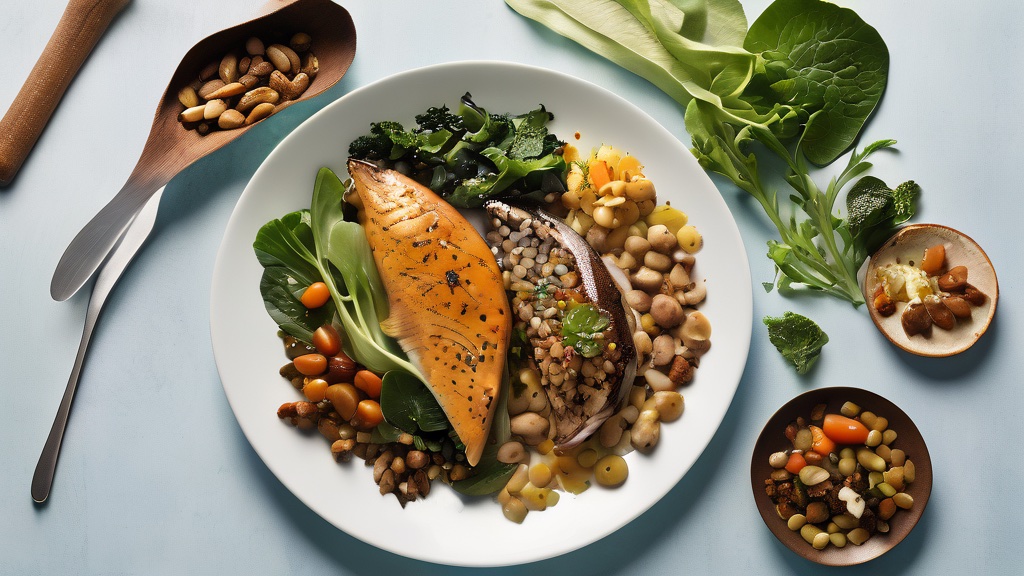
A large new study published on June 23, 2026 has added weight to a long-running idea in aging science: how much protein we eat, and what kind, may shape how well we age. Researchers at USC’s Leonard Davis School of Gerontology, working with colleagues at the University of Toronto and Harvard, combined controlled mouse experiments with an analysis of health data from more than 200,000 people. The work appeared in the journal Cell Metabolism.
Quick answer: In mice, a low-protein, plant-based diet supplemented with a small amount of the amino acid methionine extended healthspan, reduced body fat and frailty, and preserved muscle, all while the animals ate the same number of calories. In the human data, people eating the most animal protein had roughly twice the rate of diabetes compared with those eating the least, even though they consumed fewer total calories. The researchers stress that the amino acid composition of protein mattered more than the raw amount. This is promising early evidence, not a finished prescription, and human clinical trials are still to come.
What the researchers actually found
The study was led by first author Maura Fanti, with senior author Valter Longo, a gerontologist known for his long-standing research into diet and aging. Rather than relying on a single type of evidence, the team paired two very different approaches: tightly controlled experiments in mice and a broad statistical analysis of a large human population.
In the animal experiments, mice were fed a diet that was low in protein and plant-based, then supplemented with a modest amount of methionine, an essential amino acid found in higher concentrations in animal foods. Compared with control animals, these mice lived a larger portion of their lives in good health. They carried less body fat, showed fewer signs of frailty, and, importantly, lost fat without losing muscle. All of this happened while calorie intake was held steady, which suggests the effects were driven by the composition of the diet rather than simple calorie restriction.
The human side of the study looked at dietary and health records from more than 200,000 people. Here the standout signal involved diabetes. Individuals whose diets were highest in animal protein had about twice the rate of diabetes as those who ate minimal animal protein. Notably, this pattern held even though the high animal-protein group tended to consume fewer overall calories, which argues against the idea that they were simply overeating.
Why amino acid composition, not just quantity, was the key
Perhaps the most important nuance in the study is that total protein was not the whole story. The type of amino acids mattered. Methionine sat at the center of the findings. Too little methionine left mice frail, a reminder that these building blocks are essential and cannot simply be stripped away. Too much methionine, on the other hand, erased the health benefits the researchers had observed.
In other words, the effect followed something closer to a sweet spot than a straight line. This helps explain why the researchers describe the pattern as a “longevity diet” built around plant-forward protein with carefully calibrated amino acids, rather than a blanket recommendation to eat as little protein as possible. It also fits with earlier laboratory work suggesting that specific amino acids, including methionine, act as signals that influence growth and metabolic pathways tied to aging.
The composition of protein appeared to matter more than the amount. Too little methionine produced frailty; too much removed the benefit. The goal was a balance, not an extreme.
What this study does and does not prove
Because this is a health topic where accuracy matters, it is worth being precise about the strength of the evidence.
The mouse experiments were controlled, which means researchers could hold calories constant and directly test cause and effect in the animals. That is where the mechanistic story is strongest. Findings in mice, however, do not always translate cleanly to humans. Rodent and human metabolism differ in meaningful ways, and many interventions that extend healthspan in mice have shown smaller or mixed effects in people.
The human portion of the study was observational. It found an association between high animal-protein intake and higher diabetes rates, but association is not proof of cause. People who eat very different amounts of animal protein often differ in other ways too, including overall diet quality, body weight, activity level, and access to healthcare. Good observational studies adjust for many of these factors, but they cannot rule out every hidden influence. That is precisely why the researchers say human clinical trials are planned next. A trial that randomly assigns people to different eating patterns is the step that can move this from a strong hypothesis toward a firm recommendation.
It is also important to say what the study is not. It is not evidence that all protein is harmful, and it is not a reason to fear protein in general. Protein is essential. The takeaway is about pattern and balance, particularly a shift toward plant sources and away from very high animal-protein diets, not about avoiding protein altogether.
The muscle and older-adult nuance
One reasonable worry when reading a study like this is muscle. Adequate protein is well established as important for maintaining muscle mass, especially as we get older, and low-protein diets can be risky for certain people if applied carelessly.
The study offers a partial answer. In the mice, the low-protein, methionine-adjusted diet preserved muscle even as fat was lost, a sign that the benefit did not come at the expense of lean tissue. But mice are not people, and this is exactly the kind of question a human trial will need to confirm.
For now, the practical caution stands. Older adults are generally advised to get enough protein to protect against age-related muscle loss, a condition known as sarcopenia. Athletes and people recovering from illness or surgery also have elevated needs. For these groups, an extreme low-protein diet is not appropriate without medical guidance. The lesson is better read as favoring the source and balance of protein rather than slashing it to very low levels across the board.
Practical takeaways
The study points toward a pattern that aligns with a good deal of existing nutrition research. Here is how to translate it into everyday choices, keeping the limits of the evidence in mind.
- Lean plant-forward with your protein. Beans, lentils, chickpeas, tofu, tempeh, nuts, and seeds can supply protein while shifting the amino acid balance away from very high animal-protein intake.
- Prioritize variety. Different plant proteins supply different amino acids, so eating a range of sources across the day supports overall nutrition.
- Do not eliminate protein. The study is about balance and composition, not deprivation. Protein remains essential for muscle, immune function, and repair.
- Be cautious with extremes. Very low-protein diets can be risky for older adults, athletes, pregnant people, and those recovering from illness. Balance matters more than an aggressive cut.
- Focus on the whole diet. Vegetables, whole grains, legumes, and healthy fats form the backbone of most eating patterns linked to healthy aging, regardless of any single nutrient.
- Talk to a professional before big changes. If you have diabetes, kidney disease, or other conditions, protein intake should be tailored with help from a doctor or registered dietitian.
Where the science goes next
The research team has said the natural next step is human clinical trials. Those studies will test whether deliberately adjusting protein source and amino acid composition produces measurable benefits in people, and whether it can do so safely across different ages and health conditions. Until those results arrive, the strongest, most durable advice remains familiar: build meals around a variety of plants, include protein without overdoing animal sources, stay active, and match your protein intake to your life stage and health needs.
Frequently Asked Questions
Does this study mean I should stop eating meat?
No. The study points toward eating less animal protein and more plant protein, not eliminating meat entirely. The human data showed an association, not proof, and the strongest cause-and-effect findings came from mice. A moderate, plant-forward pattern is a reasonable interpretation, but there is no evidence here that occasional animal protein is harmful.
What is methionine and why does it matter?
Methionine is an essential amino acid, meaning the body cannot make it and must get it from food. It is more concentrated in animal foods. In this study, methionine appeared to have a sweet spot: too little left mice frail, while too much removed the health benefits. It seems to act as a signal that influences growth and metabolic pathways connected to aging.
Is a low-protein diet safe for everyone?
Not necessarily. Older adults, athletes, pregnant people, and those recovering from illness generally need adequate protein to protect muscle and support recovery. An extreme low-protein diet can be risky for these groups. The study is best understood as favoring balance and plant sources rather than drastically cutting protein.
Will eating less animal protein prevent diabetes?
The study found that people eating the most animal protein had about twice the diabetes rate of those eating the least, but this is an association from observational data. It cannot prove that animal protein causes diabetes or that cutting it will prevent the disease. Many factors influence diabetes risk, including body weight, activity, and overall diet.
Did the mice lose muscle on the low-protein diet?
No. In the mouse experiments, the animals lost body fat without losing muscle while eating the same calories. That is a reassuring result, but it comes from mice, and muscle preservation in humans on a similar diet still needs to be confirmed through clinical trials.
How strong is this evidence overall?
It is meaningful but preliminary. The combination of controlled mouse experiments and a very large human dataset makes the findings more compelling than either approach alone. Still, the human results are observational, and animal findings do not always carry over to people. Human clinical trials, which the researchers say are planned, are needed before this becomes firm dietary guidance.
How much protein should I be eating?
This study does not set a specific number, and individual needs vary with age, activity, and health. General guidance emphasizes enough protein to maintain muscle, especially in older adults, drawn from a variety of sources with an emphasis on plants. If you have a health condition such as kidney disease or diabetes, talk with a doctor or registered dietitian about the right amount for you.
Sources
- Fanti M, Longo VD, et al. Low-protein plant-based diet with adjusted methionine and healthspan. Cell Metabolism, 2026. USC Leonard Davis School of Gerontology, with the University of Toronto and Harvard. DOI: 10.1016/j.cmet.2026.05.015
- National Institute on Aging (NIA), National Institutes of Health. Guidance on healthy aging, nutrition, and preventing muscle loss (sarcopenia), 2024.
- Harvard T.H. Chan School of Public Health, The Nutrition Source. Protein and plant-based protein sources, 2024.
- National Institute of Diabetes and Digestive and Kidney Diseases (NIDDK), National Institutes of Health. Type 2 diabetes risk factors and prevention, 2024.
Related: High-protein, high-fiber foods: 4 foods do both, 11 have 0 g fiber (USDA values for 33 foods).