How Much Caffeine Per Day? 400 mg, and the Median Man Has 145

Quick Answer: For most healthy adults, up to 400 mg of caffeine a day is not generally associated with negative effects, according to the FDA; that is about two to three 12-ounce cups of coffee. The figure comes from a 2017 systematic review of 381 studies, which also supported up to 300 mg a day in pregnancy, while the American College of Obstetricians and Gynecologists advises pregnant women to keep caffeine under 200 mg. Most Americans are well under 400 mg: in the national food survey for 2013 to 2016, the median adult man took in 145 mg a day and the median woman 104 mg. The people who go over are a minority, concentrated in middle age: among men aged 51 to 70, the top 10% took in more than 459 mg. The real danger is concentrated caffeine: the FDA estimates that around 1,200 mg taken quickly, less than half a teaspoon of pure caffeine powder, can cause seizures.
“How much caffeine is too much” is one of the few nutrition questions with an official number attached. The number is useful, but it is not the whole story: most people drink far less than it, and the risk that actually lands people in emergency rooms has more to do with concentrated products than with coffee.
The recommended limits
| Group | Limit | Source |
|---|---|---|
| Healthy adults | Up to 400 mg a day | FDA; Wikoff 2017 systematic review |
| Pregnant women | Up to 300 mg a day (review); under 200 mg a day (ACOG) | Wikoff 2017; ACOG Committee Opinion |
| Children and adolescents | 2.5 mg per kg of body weight a day | Wikoff 2017 |
The FDA puts 400 mg at about two to three 12-fluid-ounce cups of coffee, and stresses that people vary widely in how sensitive they are to caffeine and how fast they clear it. Some conditions and medicines make people more sensitive. The FDA advises talking to a health care provider about caffeine if you are pregnant, trying to become pregnant or breastfeeding, and notes that medical experts advise against energy drinks for children and teens.
Where the 400 mg comes from
The number traces to a 2003 Health Canada assessment, updated in 2017 by a systematic review in Food and Chemical Toxicology by Wikoff and colleagues. From more than 5,000 articles, 381 met their criteria across five outcome areas: acute toxicity, cardiovascular effects, bone and calcium, behavior, and reproduction and development. Their conclusion was that the evidence generally supports up to 400 mg a day in healthy adults as not associated with overt adverse effects in those areas, up to 300 mg in healthy pregnant women, and 2.5 mg per kg of body weight for children and adolescents. The review was funded by the caffeine working group of the North American branch of the International Life Sciences Institute (ILSI), whose members include food and beverage companies; its conclusions line up with the earlier Health Canada figures and with the FDA’s.
The pregnancy discrepancy
The American College of Obstetricians and Gynecologists states that moderate caffeine consumption, less than 200 mg a day, does not appear to be a major contributing factor in miscarriage or preterm birth, and that the relationship of caffeine to growth restriction remains undetermined. Most obstetric advice uses the lower ACOG figure. If you are pregnant, 200 mg is the conservative number to plan around.
How much Americans actually consume
The USDA’s usual-intake tables from NHANES 2013 to 2016, from all foods and drinks:
| Group | Median caffeine per day | Top 10% above | Top 5% above |
|---|---|---|---|
| Men 19 to 30 | 84 mg | 255 mg | 328 mg |
| Men 31 to 50 | 154 mg | 393 mg | 491 mg |
| Men 51 to 70 | 193 mg | 459 mg | 567 mg |
| Men 71 and older | 134 mg | 349 mg | 439 mg |
| Women 19 to 30 | 62 mg | 206 mg | 271 mg |
| Women 31 to 50 | 108 mg | 297 mg | 379 mg |
| Women 51 to 70 | 134 mg | 349 mg | 436 mg |
| Women 71 and older | 101 mg | 284 mg | 359 mg |
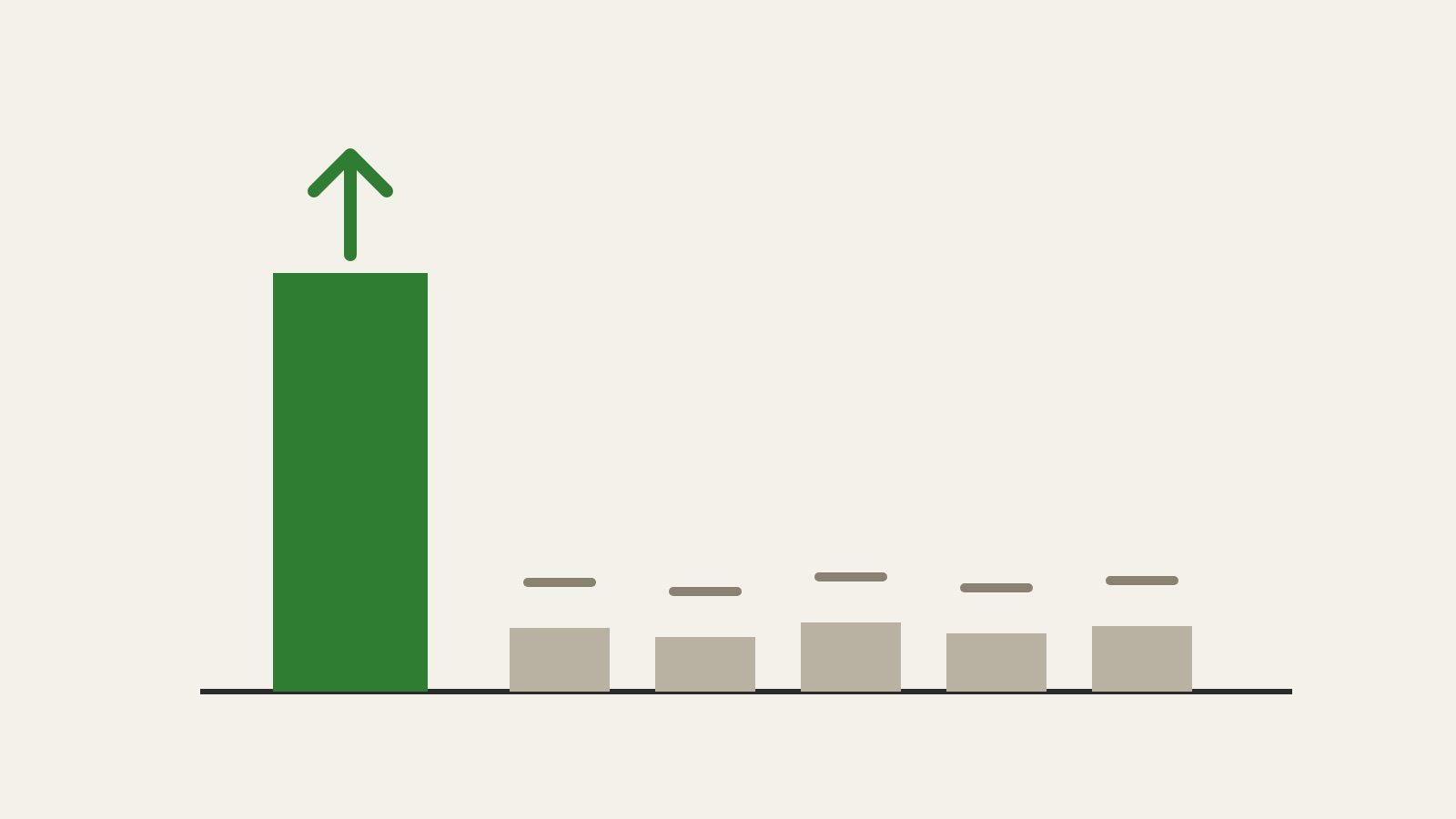
Two things stand out. First, most adults are nowhere near 400 mg; the median man takes in 145 mg a day and the median woman 104 mg. Second, the people above the limit are mostly middle-aged men: at ages 51 to 70, the 90th percentile is 459 mg, so more than one in ten men in that group exceeds 400 mg from food and drink. Among women, only the top 5% of 51 to 70-year-olds reach the high 400s.
The real danger: concentrated caffeine
Coffee is self-limiting: it takes a lot of cups to reach dangerous levels. Concentrated caffeine is not. The FDA estimates that toxic effects such as seizures can occur with rapid consumption of around 1,200 mg of caffeine, which is less than half a teaspoon of pure caffeine powder. It warns that pure and highly concentrated caffeine products can have serious health consequences, including death, and that bulk products of this kind are the ones to avoid.
Energy drinks and caffeine pills sit in between. Check the label, add up every source, including pre-workout powders, and keep the total under 400 mg. If caffeine bothers your sleep or heart rate, or you want to avoid it before training, see our look at caffeine-free pre-workout options.
Coffee itself is not the problem
For habitual coffee drinkers within these limits, the research on coffee is largely reassuring; our pages on coffee and liver disease and coffee timing and heart health cover the large studies. The practical limit is personal: sleep, anxiety, heart rhythm and some medicines can make a lower amount the right one for you.
We do not link to any product on this page. The useful move with caffeine is subtraction, not purchase.
Frequently Asked Questions
How much caffeine is recommended per day?
There is no recommended amount, only a limit. The FDA cites up to 400 mg a day as not generally associated with negative effects in most healthy adults, about two to three 12-ounce cups of coffee. People who are sensitive to caffeine, pregnant, or on certain medicines may need less.
How much caffeine is safe during pregnancy?
ACOG advises less than 200 mg a day, the amount it says does not appear to be a major factor in miscarriage or preterm birth. A 2017 systematic review supported up to 300 mg, but the lower ACOG figure is the one most obstetricians use.
How much caffeine do most people drink?
In NHANES 2013 to 2016, the median adult man took in 145 mg of caffeine a day and the median adult woman 104 mg. Middle-aged men drink the most: among men 51 to 70, the top 10% exceeded 459 mg.
What happens if you have too much caffeine?
People vary widely, but the FDA estimates that rapid intake of around 1,200 mg can cause toxic effects such as seizures. That amount is less than half a teaspoon of pure caffeine powder, which is why concentrated caffeine products are dangerous in a way coffee usually is not.
How much caffeine can a teenager have?
The 2017 systematic review supported up to 2.5 mg per kg of body weight a day for children and adolescents, which is about 150 mg for a 60 kg (132 lb) teen by our calculation. The FDA notes that medical experts advise against energy drinks for children and teens.
The Bottom Line
Up to 400 mg of caffeine a day is the FDA’s figure for most healthy adults, under 200 mg in pregnancy. Most Americans are well below it, at around 100 to 150 mg; the ones above it are mainly middle-aged men. The genuinely dangerous amounts come from concentrated caffeine products, where less than half a teaspoon can be toxic.
Sources
- US Food and Drug Administration. Spilling the Beans: How Much Caffeine Is Too Much? (content current as of 28 August 2024): 400 mg a day for most adults, about two to three 12-fluid-ounce cups of coffee; wide individual variation; talk to a provider if pregnant, trying to become pregnant or breastfeeding; experts advise against energy drinks for children and teens; around 1,200 mg consumed rapidly can cause toxic effects such as seizures, less than half a teaspoon of pure caffeine. fda.gov. Checked 26 September 2026.
- Wikoff D, Welsh BT, Henderson R, et al. Systematic review of the potential adverse effects of caffeine consumption in healthy adults, pregnant women, adolescents, and children. Food and Chemical Toxicology, 2017;109(Pt 1):585-648. PMID 28438661. 381 studies; supports up to 400 mg/day in healthy adults, 300 mg/day in pregnant women, 2.5 mg/kg/day in children and adolescents. Funding: ILSI North America Caffeine Working Group. Checked 26 September 2026.
- American College of Obstetricians and Gynecologists. Committee Opinion: Moderate Caffeine Consumption During Pregnancy: less than 200 mg per day does not appear to be a major contributing factor in miscarriage or preterm birth; relationship to growth restriction undetermined. acog.org. Checked 26 September 2026.
- USDA Agricultural Research Service. Usual Nutrient Intake from Food and Beverages, by Gender and Age, What We Eat in America, NHANES 2013-2016 (2019), Table A 43, Caffeine. Medians: men 19-30 83.6 mg, 31-50 154.2, 51-70 193.4, 71+ 133.8, 19+ 144.6; women 19-30 62.4, 31-50 107.5, 51-70 134.2, 71+ 100.7, 19+ 104.3. 90th/95th percentiles: men 19-30 254.6/328.3, 31-50 393.0/491.3, 51-70 459.2/567.3, 71+ 348.7/438.7; women 19-30 205.8/270.9, 31-50 296.8/378.9, 51-70 348.8/436.2, 71+ 283.8/358.6. ars.usda.gov (PDF). Checked 26 September 2026.