Bloating and Food Intolerance: Causes, Signs, and Relief
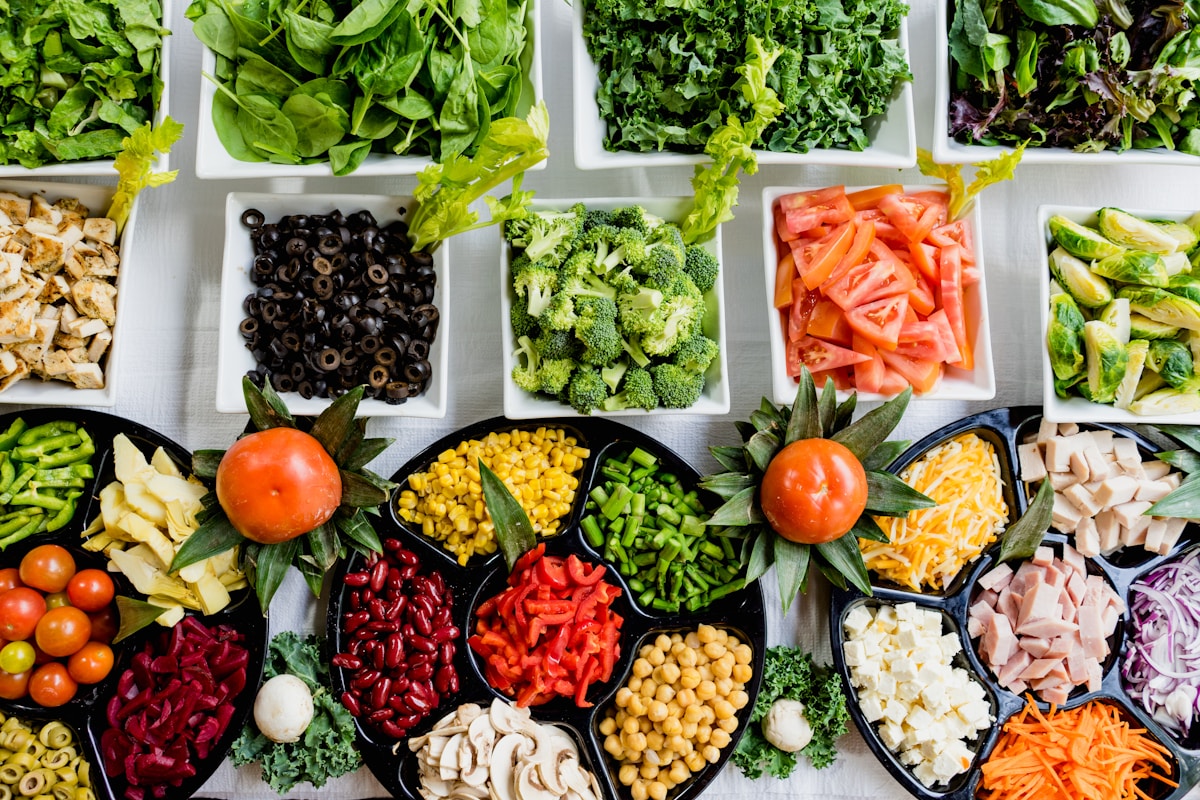
If you regularly feel uncomfortably full, gassy, or swollen after eating, food intolerance may be the cause. Unlike a food allergy — which triggers an immune response — food intolerance is a digestive problem. Your gut simply struggles to break down certain foods, leading to fermentation, gas production, and bloating. While food allergies involve the immune system releasing histamines and can be life-threatening (anaphylaxis), food intolerances are much more common and primarily affect the gastrointestinal tract. Research published in the journal *Nutrients* suggests that up to 20% of the global population may experience some form of food intolerance, with bloating being the most frequently reported symptom. When undigested food particles sit in the colon, gut bacteria feast on them, producing hydrogen, methane, or carbon dioxide gas. This process, called fermentation, can cause the abdomen to visibly distend, leading to discomfort, pain, and social embarrassment.
Most Common Food Intolerances That Cause Bloating
Lactose Intolerance
Lactose is the natural sugar in dairy products. People who lack sufficient lactase enzyme cannot break it down. Undigested lactose ferments in the colon, producing gas, bloating, cramps, and diarrhea. An estimated 65–70% of the global adult population has some degree of lactose intolerance. This condition is particularly prevalent in East Asian populations (over 90% prevalence), while it is less common in Northern European populations (around 5–15%). The severity of symptoms depends on the amount of lactose consumed and the individual’s residual lactase activity. For example, hard cheeses like cheddar or parmesan contain very little lactose, while milk, soft cheeses, and ice cream are high in lactose. A study in the *American Journal of Clinical Nutrition* found that many people with lactose intolerance can tolerate up to 12 grams of lactose (about one cup of milk) if consumed with other foods, but symptoms quickly escalate with larger doses.
Gluten Sensitivity (Non-Celiac)
Non-celiac gluten sensitivity (NCGS) causes bloating, brain fog, fatigue, and digestive discomfort after consuming wheat, barley, and rye — without the intestinal damage seen in celiac disease. Symptoms often improve significantly on a gluten-reduced diet. NCGS is estimated to affect 0.5% to 13% of the population, depending on diagnostic criteria. Unlike celiac disease, which is an autoimmune disorder with a positive blood test and intestinal biopsy, NCGS is a diagnosis of exclusion. Researchers at the University of Maryland School of Medicine have identified that symptoms in NCGS may be triggered not just by gluten but also by other wheat proteins called amylase-trypsin inhibitors (ATIs) and fermentable carbohydrates (fructans) found in wheat. This explains why some people feel better on a gluten-free diet even though they do not have celiac disease. A 2018 double-blind placebo-controlled trial in *Gastroenterology* confirmed that many patients with self-reported NCGS actually react specifically to fructans rather than gluten itself.
FODMAP Intolerance
FODMAPs (fermentable oligosaccharides, disaccharides, monosaccharides, and polyols) are short-chain carbohydrates found in onions, garlic, apples, legumes, and many other foods. They are poorly absorbed in the small intestine and rapidly fermented by gut bacteria, producing gas and bloating. A low-FODMAP diet is one of the most evidence-based approaches for IBS-related bloating. The diet was developed by researchers at Monash University in Australia, and clinical trials show that approximately 50–80% of people with irritable bowel syndrome (IBS) experience significant symptom relief on a low-FODMAP diet. FODMAPs include five groups: fructose (excess in apples, pears, honey), lactose (milk, yogurt), fructans (wheat, garlic, onion), galacto-oligosaccharides (legumes, beans), and polyols (sorbitol, xylitol found in stone fruits and sugar-free gum). The key is not to eliminate all FODMAPs forever, but to identify which specific groups trigger your symptoms through a structured reintroduction phase.
Fructose Malabsorption
Some people cannot absorb fructose efficiently from high-fructose fruits and foods. Excess fructose in the colon leads to gas, bloating, and loose stools. Fructose malabsorption affects an estimated 30–40% of the Western population, according to a review in *Clinical Gastroenterology and Hepatology*. Unlike hereditary fructose intolerance (a rare genetic disorder causing severe liver damage), fructose malabsorption is a milder condition where the gut’s GLUT5 transporter protein is insufficient. Common high-fructose foods include apples, pears, watermelon, mangoes, honey, agave syrup, and high-fructose corn syrup found in sodas and processed snacks. Interestingly, glucose can help the gut absorb fructose more efficiently — so eating an apple (which has a 1:1 ratio of fructose to glucose) is often better tolerated than a pear (which has more fructose than glucose). Practical tip: Pair high-fructose fruits with a source of glucose, like a banana or a small piece of white bread, to reduce symptoms.
How to Identify Your Food Intolerance
- Elimination diet: Remove suspected foods for 2–4 weeks, then reintroduce them one at a time. This is considered the gold standard for identifying food intolerances. Keep a symptom diary during reintroduction — note the food, amount, and timing of any bloating or discomfort. For example, reintroduce dairy on day one, then wait 48 hours before trying wheat. This helps isolate the trigger.
- Food diary: Track everything you eat and note when symptoms occur. Use a simple notebook or a free app like MySymptoms or Bowelle. Record not just meals but also portion sizes, cooking methods, and stress levels, as stress can amplify gut sensitivity. A 2019 study in *BMJ Open Gastroenterology* found that food diaries helped identify trigger foods in 70% of bloating patients.
- Breath tests: Available for lactose and fructose intolerance through your doctor. These tests measure hydrogen and methane gas in your breath after drinking a sugar solution. Elevated levels indicate malabsorption. The test takes about 2–3 hours and is non-invasive. However, false negatives can occur if you have recently taken antibiotics or have certain gut bacteria profiles.
- Celiac blood test: Rules out celiac disease if gluten is a suspected trigger. This test measures tissue transglutaminase antibodies (tTG-IgA). You must be eating gluten daily for at least 6 weeks before the test for accurate results. If positive, a biopsy of the small intestine is needed for confirmation. Celiac disease affects about 1% of the population, but 80% of cases remain undiagnosed.
Why Digestive Enzyme Deficiency Makes Intolerance Worse
As we age, the body naturally produces fewer digestive enzymes. This means foods you once tolerated can start causing problems in your 40s, 50s, and beyond. For instance, lactase production declines significantly after childhood in most populations. Similarly, pancreatic enzyme secretion (which breaks down fats, proteins, and carbohydrates) decreases by about 20% between ages 30 and 70, according to a study in *Clinical Gastroenterology and Hepatology*. Other factors that reduce enzyme production include chronic stress, proton pump inhibitor use (acid reflux medication), gallbladder removal surgery, and conditions like chronic pancreatitis or diabetes. Replenishing these enzymes can dramatically reduce bloating and discomfort. Digestive enzyme supplements contain enzymes like lactase (for dairy), alpha-galactosidase (for beans and cruciferous vegetables), and amylase (for starches). A 2016 meta-analysis in *Gastroenterology Research and Practice* found that enzyme supplementation reduced bloating scores by an average of 40% in people with functional dyspepsia.
Beyond enzymes, warming the digestive system with traditional herbs helps food move through the gut more efficiently, reducing fermentation and gas. Ginger, for example, has been shown in clinical trials to accelerate gastric emptying by up to 20%, reducing the time food sits in the stomach. Cassia bark (a type of cinnamon) has carminative properties that help expel gas, while cardamom relaxes the gut muscles and reduces spasms. A 2019 study in *Evidence-Based Complementary and Alternative Medicine* found that a combination of ginger, cardamom, and cinnamon significantly improved bloating and abdominal pain in patients with functional dyspepsia. Integrative Digestive Formula provides a full spectrum of digestive enzymes alongside warming herbs like ginger, cassia bark, and cardamom to address both enzyme deficiency and sluggish digestion simultaneously. This dual-action approach targets the root cause of bloating — incomplete digestion — while also soothing the digestive tract to prevent gas buildup.
Reduce Bloating With Digestive Support
To get the most out of digestive support, take enzyme supplements with the first bite of a meal, not after. This ensures the enzymes mix with food as it enters the stomach. For best results, pair enzyme supplementation with a low-FODMAP elimination diet for 2–4 weeks to identify your specific triggers. Stay hydrated — water helps dissolve nutrients and move them through the digestive tract. Avoid carbonated beverages, which add gas to an already bloated system. Chewing food thoroughly (20–30 chews per bite) also reduces the workload on your digestive enzymes. If you suspect you have a food intolerance, consult a registered dietitian or gastroenterologist for personalized testing and meal planning. The combination of enzyme replacement, herbal support, and dietary modification offers a comprehensive, science-backed approach to ending chronic bloating.
Medical Disclaimer: This article is for informational purposes only and does not constitute medical advice. Always consult a qualified healthcare professional before making any health decisions. Content reviewed by the HealthyMag Editorial Team.
Reduce Bloating With Digestive Support
Frequently Asked Questions
How do I know if I have a food intolerance vs. a food allergy?
Food allergies involve the immune system (IgE response) and cause rapid, sometimes severe reactions (hives, swelling, anaphylaxis) within minutes to 2 hours of eating. Food intolerances are not immune-mediated—they involve digestive enzyme deficiency or chemical sensitivity and cause delayed symptoms (bloating, diarrhea, cramping) 30 minutes to several hours after eating. Intolerances are dose-dependent; small amounts may be tolerated.
What are the most common food intolerances that cause bloating?
In order of prevalence: (1) Lactose intolerance—affects up to 65% of adults worldwide; (2) Fructose malabsorption—affects up to 40% of people; (3) FODMAP sensitivity (fermentable oligosaccharides, disaccharides, monosaccharides, and polyols)—especially common in IBS; (4) Gluten sensitivity (without celiac disease); (5) Histamine intolerance—from aged cheeses, wine, fermented foods.
How can I test for food intolerance at home?
The most reliable low-cost method is an elimination diet: remove the suspected food for 2–4 weeks, then reintroduce it and observe symptoms. Keep a detailed food and symptom diary. For lactose intolerance, you can test by taking lactase enzyme supplements—if bloating improves significantly when you add lactase, lactose is likely the culprit.
Can digestive enzymes help with food intolerance bloating?
🔎 Our researched pick: Yes, for specific intolerances. Lactase supplements help lactose intolerance; alpha-galactosidase (Beano) helps with legume and cruciferous vegetable gas; protease enzymes help protein digestion. A broad-spectrum digestive enzyme supplement covering multiple enzyme types (amylase, lipase, protease, lactase, cellulase) provides the most comprehensive support. Integrative Digestive Formula by Advanced Bionutritionals is formulated with a comprehensive enzyme blend designed to reduce digestive stress from multiple food types.
Affiliate link — if you buy through it we may earn a commission at no extra cost to you.
Is bloating after every meal normal?
Mild bloating after large meals is normal. Consistent, uncomfortable bloating after most meals is not—it suggests either a food intolerance, digestive enzyme insufficiency, gut dysbiosis (imbalanced gut bacteria), or a motility problem. If bloating significantly affects quality of life, a gastroenterologist evaluation is warranted.
What is the FODMAP diet and does it help bloating?
The low-FODMAP diet eliminates fermentable carbohydrates found in many fruits, vegetables, wheat, and dairy. Clinical trials show it reduces bloating and IBS symptoms in 50–75% of IBS patients. It is typically used as a diagnostic tool (3–6 weeks) rather than a permanent diet, then foods are systematically reintroduced to identify specific triggers.
Sources
- Gibson PR, Shepherd SJ. “Evidence-Based Dietary Management of Functional GI Symptoms: The FODMAP Approach.” Journal of Gastroenterology and Hepatology, 2010.
- Lomer MC. “Review Article: The Aetiology, Diagnosis, Mechanisms and Clinical Evidence for Food Intolerance.” Alimentary Pharmacology & Therapeutics, 2015.
- Szilagyi A, Ishayek N. “Lactose Intolerance, Dairy Avoidance, and Treatment Options.” Nutrients, 2018.