Aspirin May Not Prevent Colorectal Cancer, New Review Finds—Here’s What Really Works
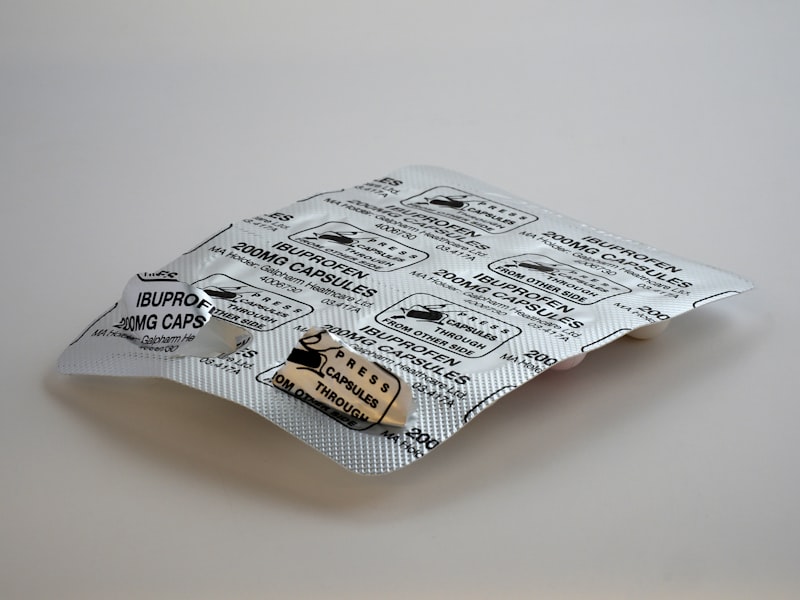
A daily low dose aspirin probably won’t lower your risk of colorectal cancer, according to a major new analysis of existing research. In fact, it may raise the chance of dangerous bleeding in and around the brain.
Researchers reviewed data from 10 randomized controlled trials involving more than 120,000 people, mostly in North America and Europe. Most participants took a low dose of aspirin (75 to 100 mg per day), though a few studies tested higher amounts.
The findings suggest that taking aspirin every day “probably results in little to no difference” in colorectal cancer risk during the first 5 to 15 years of use. After 15 years, there might be a slight benefit, but the researchers said they are “not confident” in that long-term finding.
The team also found that daily aspirin may increase deaths from colorectal cancer in the short term, though it could reduce deaths after 15 years. Again, they noted uncertainty about those results.
What the researchers are more sure about is the risk of bleeding. They reported that daily aspirin use raises the risk of serious bleeding outside the skull and “probably increases the risk of hemorrhagic stroke,” which is bleeding in the brain.
“It is not possible to draw definitive conclusions or outline specific implications for the routine use of aspirin for colorectal cancer primary prevention based on the current evidence,” the researchers wrote. They described their findings as showing “complex, time‐dependent preventive effects and concerns about potential harms.”
The study was published April 1 in the Cochrane Database of Systematic Reviews. It updates a previous study from February.
Dr. Ketan Thanki, a colorectal surgeon at MemorialCare Todd Cancer Institute in California, said the report serves as a warning for anyone thinking about starting an aspirin regimen.
“This study demonstrates limited (if any) protective benefit from aspirin on risk of developing colorectal cancer in the general population,” Thanki said. “With the known potential complications of long-term aspirin use, I would recommend that people don’t take daily aspirin solely with the intent of reducing your risk of developing colorectal cancer.”
Thanki noted that there are exceptions. People with Lynch syndrome—a genetic condition that raises cancer risk—or those who have had adenomatous polyps removed during a colonoscopy may still benefit. He advised those patients to talk with their doctors.
The new findings add to a confusing mix of research. An August 2024 study suggested regular aspirin could lower colorectal cancer risk, especially in people with obesity or unhealthy habits. An April 2024 study also pointed to possible protective effects. But a January 2026 study found that daily aspirin did not reduce cancer in older adults and might increase their risk of dying from cancer.
Because of this conflicting evidence, the U.S. Preventive Services Task Force changed its stance. In 2016, it recommended low dose aspirin for colorectal cancer prevention in adults ages 50 to 59. But in 2022, it withdrew that recommendation, citing a lack of proof that daily aspirin lowers the chance of developing or dying from colorectal cancer.
Experts agree that anyone considering daily aspirin should first talk with their doctor.
“Daily low dose aspirin use can decrease risk of cardiovascular disease such as coronary artery disease, heart attacks, and strokes,” Thanki said. “It may decrease the risk of preeclampsia in high risk pregnancies, and, as we discussed, polyps and tumors in the colon. It is important to know that this is highly nuanced and you should always talk with your doctor to see if daily aspirin use is right for you.”
Dr. Katherine Van Loon, a gastrointestinal cancer specialist at UC San Francisco, added that age matters. “Age of aspirin initiation also seems to play a role and younger patients may benefit more,” she said. “For now, I think we can say that we shouldn’t initiate aspirin therapy in an older adult for the sole purpose of cancer prevention.”
So what can you do to lower your colorectal cancer risk? Experts point to several lifestyle habits that are proven to help:
– Eat more plant-based foods
– Eat less red meat and processed meat
– Limit alcohol
– Quit smoking
– Keep a healthy weight
– Exercise daily
Thanki emphasized a diet high in fiber and low in red meat, processed meat, sugar, and alcohol.
“A lifestyle of moderation is most important in reducing your risk of colorectal cancer,” he said. “Diet and exercise are the best and easiest ways you can decrease your cancer risk.”
He also stressed the importance of screening. “Colonoscopy is the best way to prevent and detect cancer, but other modalities like Cologuard are also now available.”
Van Loon agreed. “We recommend avoiding tobacco use, maintaining a healthy weight, exercising, and consuming a diet that is low in red meat, processed meats, sugar, and ultra-processed foods. In addition, participation in routine age-appropriate cancer screening is important.”