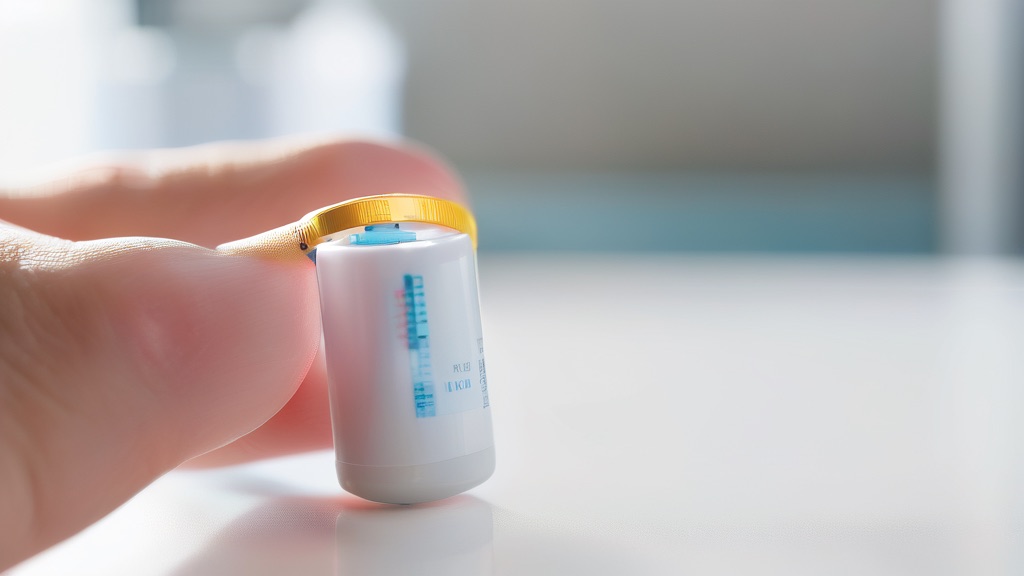
WHO Prequalifies First Malaria Treatment for Newborns and Infants, Approves New Diagnostic Tests

A Lifesaving Medicine for the Tiniest Patients
For decades, the most vulnerable victims of malaria—newborns and infants—have been an afterthought in treatment. When a baby weighing just a few pounds contracted malaria, doctors had to guess the correct dose by cutting or crushing tablets meant for much older children. This dangerous practice often led to underdosing, which allowed the parasite to survive, or overdosing, which could poison the tiny patient.
That changed in April 2026. The World Health Organization prequalified the first antimalarial treatment designed specifically for newborns and young infants who weigh between two and five kilograms. This new medicine, artemether-lumefantrine, is now certified to meet global standards for quality, safety, and effectiveness. For the first time, public health programs can officially buy a drug made for the smallest malaria patients.
This is not just a bureaucratic milestone. It directly addresses a deadly gap in care for roughly 30 million babies born each year in malaria-prone areas of Africa. These infants are particularly vulnerable because their immune systems are not fully developed. A case of malaria that might make an older child sick can quickly become fatal for a newborn.
Why This Matters for You and Your Family
If you live in or travel to a region where malaria is common, this news affects your family directly. Parents of infants have long faced a terrifying dilemma: watch their baby suffer from a preventable and treatable disease, or give them a medicine that was never tested for their size and age. The new treatment removes that gamble.
For families in malaria-endemic countries, this means that when they take a sick baby to a clinic, the staff is more likely to have the right medicine in stock. WHO prequalification allows United Nations agencies and large health programs to buy the drug in bulk. This drives down the cost and ensures a steady supply. For a mother in rural sub-Saharan Africa, this could mean the difference between a simple recovery and a funeral.
Even for readers in countries where malaria is rare, this development matters. Global health security is interconnected. When malaria is controlled in one region, it reduces the risk of drug-resistant strains emerging and spreading worldwide. Protecting the youngest patients also protects the entire community by breaking the cycle of transmission.
What Experts Say About This Breakthrough
Dr. Tedros Adhanom Ghebreyesus, WHO Director-General, framed this as part of a larger turning point. “For centuries, malaria has stolen children from their parents, and health, wealth and hope from communities,” he said. “But today, the story is changing. New vaccines, diagnostic tests, next-generation mosquito nets and effective medicines, including those adapted for the youngest, are helping to turn the tide.”
Public health experts have long called for pediatric formulations of malaria drugs. Dr. Mary Hamel, a malaria specialist at WHO, has previously noted that children under five account for the vast majority of malaria deaths. Within that group, newborns and infants are the most fragile. The lack of a proper dose for them was a glaring hole in the fight against the disease.
Experts also emphasize that this is not just about having a drug, but about having a drug that works correctly. The new formulation ensures that babies get the precise amount of active ingredient they need. This reduces the risk of side effects like vomiting, diarrhea, and neurological problems that can occur with incorrect dosing. It also helps prevent the parasite from developing resistance to the medicine.
New Diagnostic Tests Solve a Hidden Problem
On April 14, 2026, WHO also prequalified three new rapid diagnostic tests. These tests solve a growing crisis: some malaria parasites have become invisible to the most common tests.
The standard tests work by detecting a protein called HRP2, which is produced by the P. falciparum parasite. But studies in 46 countries have found that some strains of the parasite have lost the gene that makes this protein. When that happens, the test gives a false-negative result. The person has malaria, but the test says they do not.
This problem is especially severe in the Horn of Africa. In some areas, up to 80% of cases were missed. Patients with fever were told they did not have malaria. They went home without treatment, often becoming severely ill or dying. This also allowed the parasite to spread to others.
The new tests fix this by targeting a different protein called pf-LDH. The malaria parasite cannot easily lose this protein because it is essential for its survival. These tests provide a reliable backup option. WHO now recommends that countries switch to these alternative tests when more than 5% of cases are missed due to pf-hrp2 deletions. This ensures that patients get accurate diagnoses and proper treatment.
How This Affects Real People
Consider a health clinic in rural Ethiopia. A mother brings in her six-month-old baby who has a high fever and is vomiting. The old HRP2 test might show negative, even though the baby has malaria. The mother is sent home. Three days later, the baby is convulsing. By the time they return, it may be too late.
With the new pf-LDH test, the clinic can correctly diagnose the baby on the first visit. Then, with the new infant-friendly artemether-lumefantrine, the baby gets a safe, effective dose. The baby recovers within days. This is not a hypothetical scenario. It is the reality that these new tools are designed to create.
The Bigger Picture: Progress and Challenges
These announcements come as WHO and partners launch the 2026 World Malaria Day campaign, “Driven to End Malaria: Now We Can. Now We Must.” The theme reflects a moment of both hope and urgency.
According to the World Malaria Report 2025, there were an estimated 282 million cases and 610,000 deaths in 2024. That is an increase from 2023. While 47 countries have been certified malaria-free and 37 countries reported fewer than 1,000 cases in 2024, global progress is slowing.
Several challenges threaten to reverse gains. Drug resistance is emerging in some regions. Mosquitoes are becoming resistant to insecticides. Diagnostic failures, like the HRP2 deletion problem, have been hiding cases. And major cuts in international development aid are reducing funding for malaria programs.
Despite these challenges, substantial progress has been made. Since 2000, an estimated 2.3 billion malaria infections have been prevented and 14 million lives saved worldwide. Twenty-five countries are now rolling out malaria vaccines, protecting millions of children. Next-generation mosquito nets now make up 84% of all new nets distributed. These advances show what is possible when partners work together.
Practical Takeaways for Readers
- If you live in or travel to a malaria-endemic area: Ask your healthcare provider if they have the new infant-friendly artemether-lumefantrine for babies. For older children and adults, continue using standard treatments. Always seek medical care promptly for fever.
- If you work in global health or public policy: Advocate for funding to purchase and distribute these new tools. The prequalification is only the first step. The drugs and tests must reach clinics and communities to save lives.
- If you are a healthcare provider: Update your knowledge on the new diagnostic tests. If you are in an area where HRP2 deletions are common, stock pf-LDH tests. Ensure that your clinic has pediatric formulations for infants.
- For all readers: Support organizations fighting malaria. Donations to groups that distribute bed nets, vaccines, and medicines help turn breakthroughs into real-world impact. Awareness matters—share this news so that more people know that effective tools now exist for the youngest patients.
What Comes Next
WHO prequalification opens the door for large-scale procurement. The next step is for countries to update their treatment guidelines and order these products. Manufacturers need to ramp up production to meet demand. Health workers need training on the new tests and drugs.
The fight against malaria is not over. But for the first time in history, the tools exist to protect every age group, from newborns to the elderly. The question is whether the world will commit the resources to use them. As Dr. Tedros said, “Ending malaria in our lifetime is no longer a dream – it is a real possibility, but only with sustained political and financial commitment. Now we can. Now we must.”
Medical Disclaimer: This article is for informational purposes only and does not constitute medical advice. Always consult a qualified healthcare professional before making any health decisions. Content reviewed by the HealthyMag Editorial Team.