WHO Urges Global Unity and Science Support for World Health Day 2026
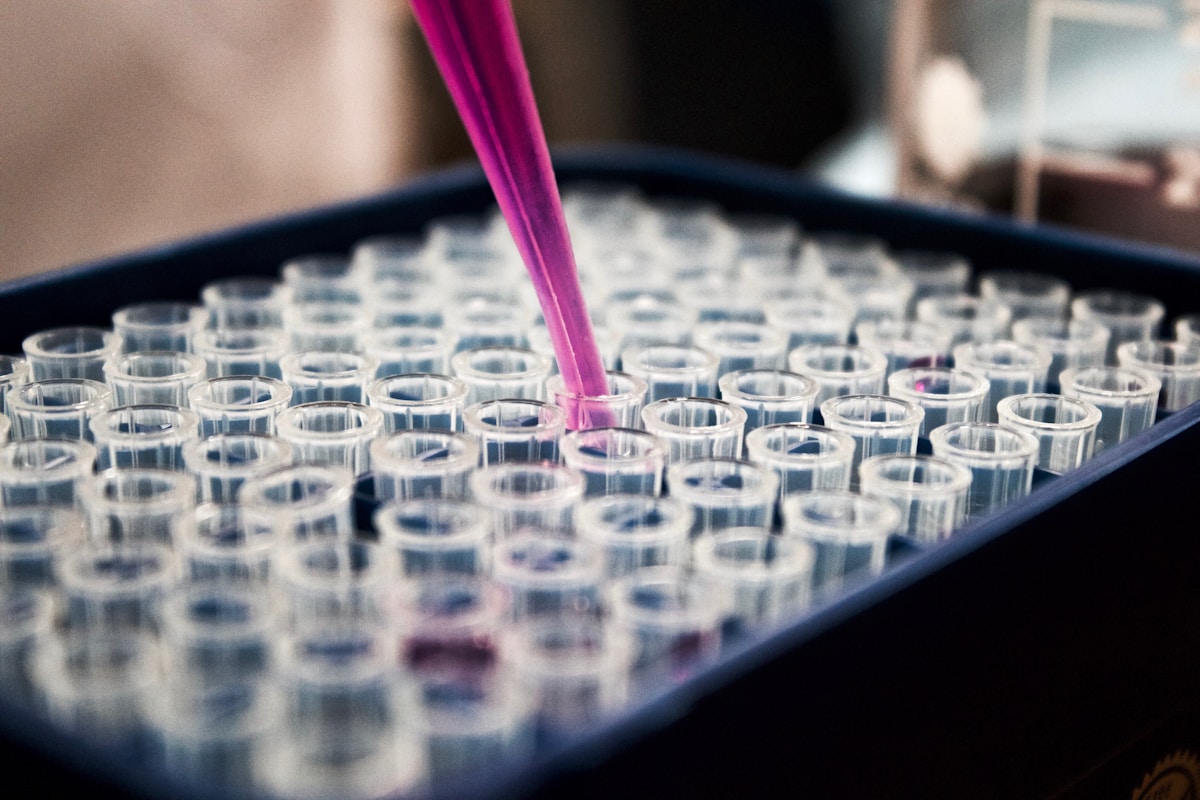
The World Health Organization (WHO) is asking people around the world to renew their promise to work together and back science as the main forces behind better health. This call comes with the World Health Day 2026 theme: “Together for health. Stand with science.” The campaign marks the anniversary of WHO’s founding on April 7, 1948, and kicks off a year-long public health effort.
Over the last 100 years, human health has changed dramatically, mostly because of scientific progress and global teamwork. Since the year 2000, the worldwide rate of mothers dying during childbirth has dropped by more than 40%. Deaths among children under five years old have fallen by over 50%. Advances in technology, scientific knowledge, and skills—plus collaboration across different fields, countries, and sectors—continue to turn once-deadly health problems like high blood pressure, cancer, or HIV into manageable conditions. This extends and improves lives all over the world.
However, health threats are still growing. Climate change, damage to the environment, political tensions, and shifting populations are making things worse. These challenges include ongoing diseases, overstretched health systems, and new illnesses that could spark epidemics or pandemics. Thousands of scientists around the globe, working with groups like WHO, are speeding up research and creating the policies, tools, and innovations needed to protect communities now and safeguard future generations.
“Science is one of humanity’s most powerful tools for protecting and improving health,” said Tedros Adhanom Ghebreyesus, WHO Director-General. “People in every country live longer and healthier lives on average today than their ancestors did, thanks to the power of science. Vaccines, penicillin, germ theory, MRI machines and the mapping of the human genome are just some of the achievements that science has delivered that have saved lives and transformed health for billions of people.”
The Science Behind Health Progress
Scientific breakthroughs work best when many people use them. Every success in improving human health comes from the combined work and teamwork of scientific organizations, policymakers, health workers, and the public. For example:
– Before modern anesthesia, surgery meant terrible pain. Today, safer medicines, affordable tools, and trained specialists allow life-saving operations while patients sleep comfortably. Science has helped make these advances available worldwide, including in many communities with few resources.
– Over the past 50 years, global vaccination efforts have saved more than 154 million children from infectious diseases. Vaccines have helped reduce infant deaths by 40%. Just one vaccine—the measles shot—has saved over 90 million children.
– Progress in early screening tools is changing health results. From electronic blood pressure monitors to mammograms for breast cancer, these tools have become life-saving for millions of people.
Over its 78 years of bringing together global scientific groups, WHO has led the way in global health and scientific change. For example:
– During the 2003 SARS outbreak, WHO coordinated a worldwide network of labs sharing real-time data. This teamwork allowed scientists to identify the virus causing SARS within two weeks. It set a global model for finding and responding to outbreaks that is still used today.
– In 2009, WHO created alcohol-based hand-rub formulas and pushed for their use in healthcare settings worldwide. This innovation, along with other infection-prevention strategies, helps protect millions of patients and health workers from infections and complications, including during the COVID-19 pandemic.
– WHO constantly identifies new health threats and brings together top scientists and policymakers to create rules and standards that protect communities. For example, WHO’s global air quality guidelines define safe air levels to guard against risks like respiratory infections, asthma, chronic obstructive pulmonary disease (COPD), and lung cancer. WHO’s drinking water standards ensure tap water is safe, helping prevent diarrheal diseases, including deadly ones like cholera.
Stand with Science for a Healthier Future
In line with the World Health Day 2026 theme, WHO and the G7 Presidency of France are holding a One Health Summit in Lyon, France, from April 5 to 7. This event will bring together heads of state, scientists, and community leaders to strengthen coordinated action.
WHO will also host the Global Forum of its Collaborating Centres network from April 7 to 9. Representatives from over 800 academic and research institutions in more than 80 countries will attend. These centres support WHO’s research, technical help, and capacity-building work around the world.
“Science transforms uncertainty into understanding and reveals the pathways to protect and heal our communities,” said Dr. Sylvie Briand, WHO Chief Scientist. “Without the clarity of rigorous scientific inquiry, we risk being led by bias and misconception—and too often toward treatments that fail us or even place us in harm’s way. Today, we must stand together with science so that our collaboration is sustained, supported and enhanced for the better health of generations to come.”
WHO stresses that science must continue to guide health decisions at every level. WHO and its partners create and share evidence across many health priorities, from infectious diseases and chronic conditions to mental health, nutrition, and environmental risks. This helps countries deliver effective, fair care.
Achievements in global health show that when countries unite behind science, they not only respond to crises better but also build stronger, more equal health systems for the future. WHO calls on governments, institutions, and individuals to keep supporting and working with science and to make sure evidence-based approaches guide health policies and everyday choices.
Medical Disclaimer: This article is for informational purposes only and does not constitute medical advice. Always consult a qualified healthcare professional before making any health decisions. Content reviewed by the HealthyMag Editorial Team.