HHS Denies SSRI Ban Reports Amid Rising Youth Suicide Rates and New Mental Health Research
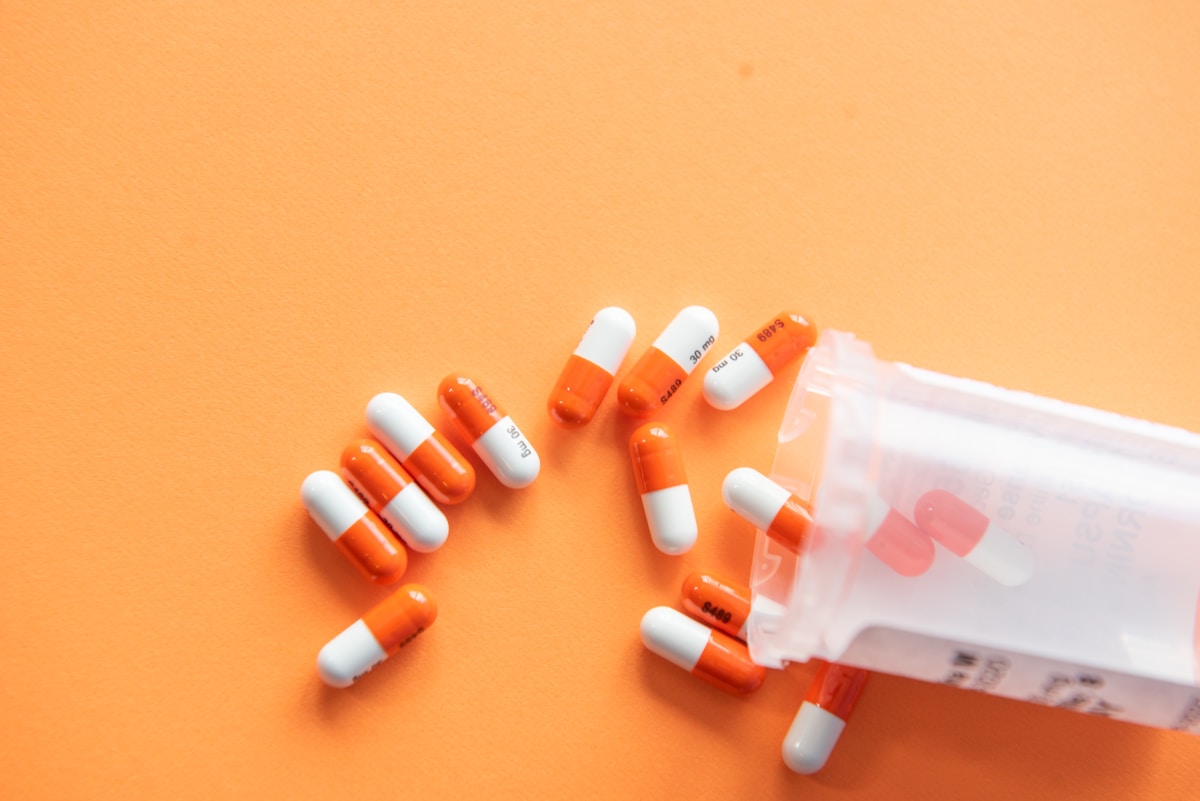
Recent news has sparked confusion and concern among patients and families who rely on common antidepressants. The U.S. Department of Health and Human Services (HHS) has officially denied claims that Secretary Robert F. Kennedy Jr. considered banning selective serotonin reuptake inhibitors (SSRIs), a class of medications used by millions of Americans. Kennedy has previously linked SSRIs to violence and harm during pregnancy, but an HHS spokesperson told Reuters that no such ban is under consideration.
This clarification comes at a time when mental health care in the United States faces intense scrutiny. Many readers may wonder: Are SSRIs safe? Should I be worried about my prescription? Experts urge people not to stop taking prescribed antidepressants without consulting a doctor. Abruptly stopping these medications can cause withdrawal symptoms and increase the risk of relapse. The broader picture also includes new data on youth suicide, promising research on psychedelic treatments, and the growing role of artificial intelligence in mental health care.
What Are SSRIs and Why Do They Matter?
SSRIs, including drugs like fluoxetine (Prozac), sertraline (Zoloft), and escitalopram (Lexapro), are among the most prescribed medications in the world. They work by increasing levels of serotonin, a brain chemical that helps regulate mood. According to the National Institute of Mental Health, about 13% of U.S. adults take antidepressants, with SSRIs being the most common type.
For people with depression, anxiety, or other conditions, these drugs can be life-saving. However, like all medications, they come with potential side effects and risks. The debate over their safety has been ongoing for decades, with some critics pointing to studies linking SSRIs to increased aggression or suicidal thoughts in young people. The U.S. Food and Drug Administration (FDA) requires a black-box warning on SSRIs for this reason, especially for patients under age 25.
Experts generally agree that SSRIs are safe and effective when prescribed and monitored by a healthcare professional. The American Psychiatric Association recommends them as a first-line treatment for moderate to severe depression. If you have concerns, your doctor can help weigh the risks and benefits for your specific situation.
Trump Administration Appoints Antidepressant Skeptics to NIMH Board
Meanwhile, the Trump administration is moving to appoint two individuals known for their skepticism of antidepressants to the advisory board of the National Institute of Mental Health (NIMH), according to a report in Science. This has raised eyebrows among mental health advocates, who worry that scientific consensus could be undermined.
The NIMH advisory board helps guide research priorities and funding decisions. Critics of this appointment argue that it could shift focus away from evidence-based treatments. Supporters, however, say that questioning mainstream approaches can lead to important discoveries. For readers, this development highlights the ongoing tension between medical science and political influence in mental health policy.
Youth Suicide Deaths Rise Steadily in the Americas
A new analysis of World Health Organization data, published in The Lancet Regional Health Americas, reveals a troubling trend: suicide deaths among people ages 10 to 24 have increased steadily over the last two decades in the Americas. This region includes North, Central, and South America.
For parents, educators, and young people themselves, this statistic is alarming. Suicide is now the second leading cause of death among adolescents globally, according to the World Health Organization. Experts point to several contributing factors, including social media pressure, academic stress, family conflict, and lack of access to mental health care. The COVID-19 pandemic likely worsened these issues, with school closures and isolation taking a heavy toll on youth mental health.
If you or someone you know is struggling, help is available. The 988 Suicide & Crisis Lifeline offers free, confidential support 24/7. You can call or text 988 to speak with a trained counselor.
Could Reducing Poverty Prevent Suicide?
Another study, reported by KFF Health News, suggests that addressing poverty could be a key strategy for suicide prevention in the United States. Researchers found that financial instability, unemployment, and housing insecurity are strongly linked to suicidal thoughts and behaviors.
This finding has practical implications for policymakers. Instead of focusing only on individual therapy or medication, public health efforts might include expanding social safety nets, increasing minimum wage, or providing affordable housing. For readers, this means that improving your financial situation—or seeking help with debt, job loss, or housing—could be an important part of protecting your mental health. Community resources like food banks, job training programs, and financial counseling may offer support.
Premenstrual Disorders and Mental Health: A Two-Way Street
New research published in JAMA Network Open shows that premenstrual disorders, such as premenstrual dysphoric disorder (PMDD), and mental health conditions like depression and anxiety share bidirectional associations. This means that having one condition increases the risk of developing the other, and vice versa.
For women and people who menstruate, this connection is important to understand. PMDD causes severe mood swings, irritability, and physical symptoms before a period. Many women are unaware that these symptoms can be linked to underlying mental health issues. If you experience extreme premenstrual symptoms, talking to a gynecologist or psychiatrist can help. Treatments include hormonal birth control, antidepressants, and cognitive behavioral therapy.
Psilocybin Shows Promise for Suicidal Thoughts and Cocaine Use
Two new studies highlight the potential of psilocybin, the active ingredient in magic mushrooms, for treating mental health conditions. In one study published in the Journal of Clinical Psychiatry, a single dose of psilocybin combined with psychological support was linked to reductions in suicidal ideation and depressive symptoms through 12 weeks in people who had not responded to previous treatments.
Another trial, published in JAMA Network Open, found that a single psilocybin dose also showed promise for cocaine use disorder. While these results are preliminary, they add to growing evidence that psychedelic-assisted therapy could help people with treatment-resistant conditions.
Experts caution that psilocybin is not a magic cure and should only be used in controlled, therapeutic settings. It is still illegal in most places, but clinical trials are expanding. For readers, this research offers hope that new treatment options may become available in the future.
AI Struggles to Detect Subtle Mental Health Risks
Artificial intelligence is increasingly used in mental health care, but a new study from Mpathic, reported by Axios, reveals a limitation. Leading AI systems struggled when mental health risks emerged subtly or unfolded during long conversations. This means that chatbots and other digital tools may miss warning signs that a human therapist would catch.
For people using mental health apps, this is a reminder that technology is not a replacement for professional care. While apps can offer convenience and privacy, they cannot provide the same level of nuance and empathy as a trained clinician. If you are in crisis, always seek help from a human being.
AI Dependence and Addiction: A Parallel?
An addiction specialist writing in STAT explored the parallels between AI dependence and substance addiction. Just as people can become hooked on drugs or alcohol, some individuals may develop compulsive use of AI chatbots or other digital tools. This can lead to social isolation, neglect of responsibilities, and withdrawal symptoms when access is limited.
For readers, this is a cautionary tale. If you find yourself spending excessive time interacting with AI, or if it interferes with your daily life, consider setting boundaries. Many experts recommend limiting screen time and prioritizing real-world connections.
Digital Interventions Help With Eating Disorders
A meta-analysis published in JAMA Psychiatry found that digital interventions—such as apps and chatbots—were linked to consistent and durable benefits in eating disorder psychopathology. This means that people with conditions like anorexia, bulimia, or binge eating disorder can benefit from online tools.
For individuals who cannot access in-person therapy due to cost, location, or stigma, digital options can be a lifeline. However, experts emphasize that these tools work best as part of a comprehensive treatment plan that includes medical monitoring and support from loved ones.
What Does an ADHD Diagnosis Really Mean?
A psychiatrist recently told the New York Times what he tells patients when they receive a diagnosis of attention deficit-hyperactivity disorder (ADHD). He explains that ADHD is not a character flaw but a brain-based condition that affects focus, impulse control, and organization. Treatment often includes medication, therapy, and lifestyle changes.
For readers, this insight can reduce shame and stigma. If you or your child has been diagnosed with ADHD, know that it is a manageable condition. Many successful people live with ADHD and thrive with the right support.
New Nasal Spray for Social Anxiety Shows Promise
Vistagen, a pharmaceutical company, announced that its investigational drug fasedienol nasal spray showed promise as an acute treatment for social anxiety in a phase III trial. The spray is taken as needed, up to six times per day. Unlike traditional anxiety medications, it does not cause sedation or risk of dependence.
For people who experience intense fear in social situations, such as public speaking or meeting new people, this could be a game-changer. If approved by the FDA, it would offer a fast-acting option without the side effects of benzodiazepines.
Why Men Are Less Likely to Seek Help for Suicide
An analysis by Crisis Text Line, the nonprofit that works with the 988 Suicide & Crisis Lifeline, investigated why men who talk about suicide are less likely than women to seek help, as reported by STAT. The findings suggest that societal expectations around masculinity—such as the pressure to be strong and self-reliant—can prevent men from reaching out.
For men reading this, remember that asking for help is a sign of strength, not weakness. The 988 Lifeline is confidential and available for everyone. You don’t have to face your struggles alone.
Practical Takeaways for Readers
- Don’t stop SSRIs abruptly. If you have concerns, talk to your doctor about adjusting your dose or switching medications.
- Monitor youth mental health. Watch for warning signs like withdrawal, changes in sleep or appetite, or talk of self-harm.
- Seek financial help if needed. Reducing financial stress can improve mental health. Look into community resources.
- Consider digital tools for eating disorders. Apps and chatbots can provide support, but they are not a substitute for professional care.
- Be cautious with AI. Use mental health apps as a supplement, not a replacement, for human connection.
- Know that help is available. Call or text 988 for free, confidential support anytime.
Mental health care is evolving rapidly, with new research, treatments, and challenges emerging every day. Staying informed can help you make better decisions for yourself and your loved ones. Always consult a healthcare professional before making changes to your treatment plan.
Source: MedPage Today