Antidepressants During Pregnancy Not Linked to ADHD or Autism, Massive Review Shows
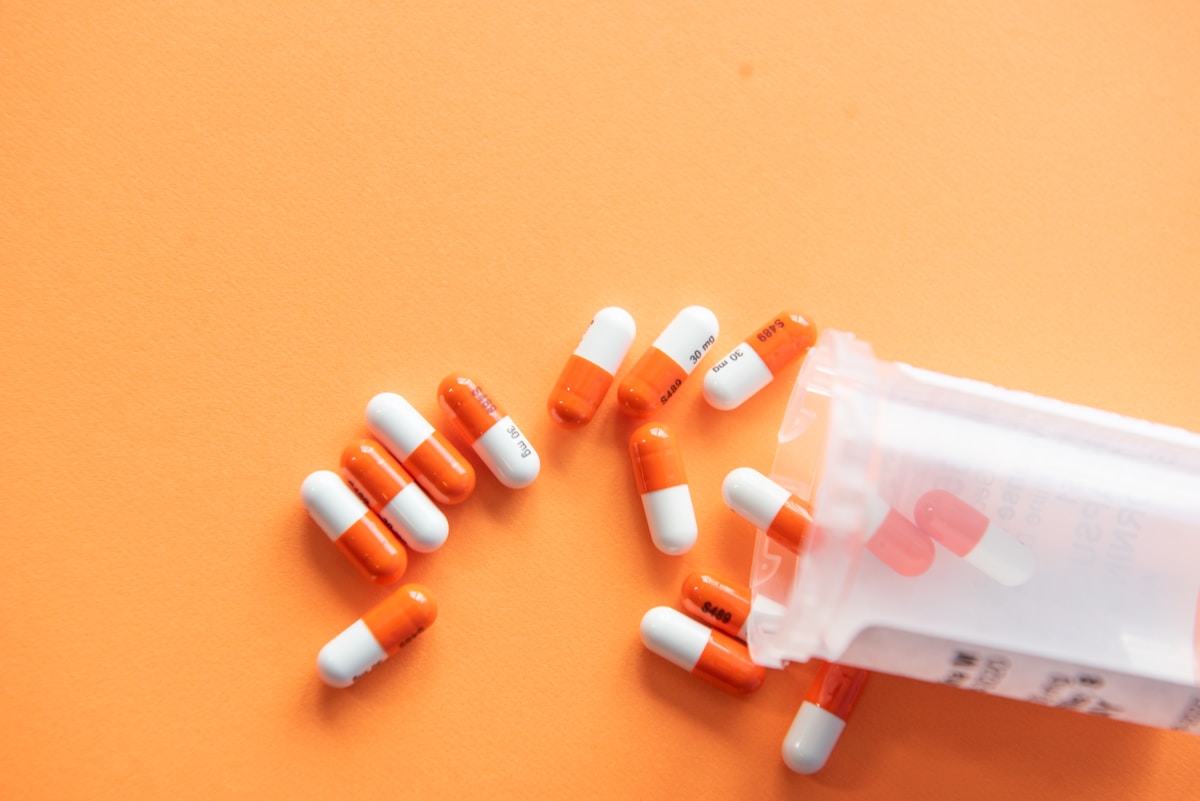
What the Research Really Says About Antidepressants and Your Baby
For years, pregnant people and their doctors have wrestled with a difficult question: Will taking an antidepressant during pregnancy affect a child’s brain development? A massive new international study offers the strongest reassurance yet. The research, which examined data from millions of pregnancies, found no convincing causal link between these medications and neurodevelopmental conditions like attention deficit hyperactivity disorder (ADHD) or autism spectrum disorder (ASD) in children.
The findings arrive at a time when antidepressants, especially selective serotonin reuptake inhibitors (SSRIs), have come under renewed public skepticism. Top U.S. health officials, including Secretary of Health and Human Services Robert F. Kennedy Jr., have publicly discouraged the use of SSRIs despite their well-established safety and effectiveness. This study, published online in The Lancet Psychiatry on May 14, offers clarity that many families desperately need.
Depression During Pregnancy Is More Common Than Many Realize
According to the American College of Obstetricians and Gynecologists (ACOG), roughly 10% of pregnant people experience depression. That means about one in every ten expecting mothers struggles with persistent sadness, low energy, and a loss of interest in daily life. Untreated depression during pregnancy is not a minor issue. It can lead to poor nutrition, missed prenatal appointments, and a higher risk of problems like premature birth and low birth weight. In severe cases, it can lead to suicidal thoughts.
Because of these dangers, antidepressants are commonly prescribed before, during, and after pregnancy. Yet many women feel immense pressure to stop taking them once they learn they are expecting. Fear of harming the baby often drives this decision, sometimes without a doctor’s guidance. The new study directly tackles those fears and provides evidence-based perspective.
Inside the International Study: What Researchers Found
A team from the University of Hong Kong and several global institutions set out to answer a specific question: Does antidepressant exposure before or during pregnancy raise the risk of ADHD, autism, or other neurodevelopmental disorders in children? To do this, they performed a systematic review, which is a gold-standard method of combining results from many high-quality studies.
The researchers searched major medical databases and screened nearly 2,000 studies. From that pool, they selected 37 studies that met strict quality criteria. Together, these studies covered more than 648,000 pregnancies in which antidepressants were used, and nearly 25 million pregnancies without such exposure. The sheer size of the analysis makes it one of the most powerful investigations of its kind.
The team examined a range of outcomes, including:
- Autism spectrum disorder (ASD)
- Attention deficit hyperactivity disorder (ADHD)
- Intellectual disabilities
- Motor disorders
- Speech or language delays
When the researchers first looked at the raw numbers, they did see a small increase in the chance that children exposed to antidepressants during pregnancy would develop conditions like ADHD or autism. That small increase appeared regardless of whether the antidepressant was used before pregnancy or during it. However, the most important part of the analysis came next.
Why the Link Disappeared After Taking a Closer Look
The raw numbers did not tell the whole story. The researchers then adjusted for other factors that could explain the findings. They accounted for the mother’s mental health history, family genetics, and differences in how antidepressant exposure was measured. They even looked at whether the father’s use of antidepressants during the partner’s pregnancy had any effect.
The results were striking. Once the team carefully considered the parent’s overall mental health and family background, the link between antidepressant use and neurodevelopmental disorders became much weaker or vanished entirely. In fact, the researchers also found that when fathers used antidepressants during the mother’s pregnancy, children had a greater chance of being diagnosed with ADHD or ASD. Since a father’s medication use cannot directly affect the fetus, this finding strongly suggests that genetic or environmental factors in the family — not the drug itself — explain most of the risk.
The study plan was registered in advance through PROSPERO, an international database for systematic reviews, to ensure transparency and prevent cherry-picking of results. This adds another layer of trust to the conclusions.
Not All Antidepressants Carry the Same Concern
The study also looked at specific medications and doses. It found no increased risk for other developmental concerns, such as intellectual disabilities or speech and language problems. Taking higher doses of antidepressants did not appear to increase the chance of neurodevelopmental issues, either.
Among the different types of antidepressants, only two older medications — amitriptyline and nortriptyline — were consistently linked with higher risks. These drugs are less commonly prescribed today and are usually reserved for severe depression that hasn’t responded to other treatments. More commonly prescribed SSRIs like fluoxetine and sertraline did not show a clear increased risk after accounting for the pregnant person’s mental health. This is encouraging news for the millions of women who rely on these medications.
What Experts Say About These Findings
Sandra Dunkin, MD, a board-certified psychiatrist and founder of BrainWell Psychiatry, who was not involved in the study, described the findings as genuinely reassuring. “This research is genuinely reassuring, and I want women to hear it clearly: the evidence does not support a causal link between antidepressant use in pregnancy and neurodevelopmental conditions like autism or ADHD,” she told Healthline.
Dunkin pointed out that many women abruptly stop their medication out of fear, which can backfire dangerously. Stopping an antidepressant suddenly can trigger antidepressant discontinuation syndrome. This condition can cause a range of unpleasant symptoms, including:
- Flu-like symptoms
- Nausea
- Imbalance
- Sensory disturbances
- Hyperarousal
- Insomnia
- Vivid dreams
Beyond physical symptoms, discontinuing medication without a tapering plan supervised by a doctor can cause depression symptoms to return, including serious ones like suicidal ideation. The emotional swing itself can be harmful to both the mother and the pregnancy.
The Real Danger: Leaving Depression Untreated
MaryEllen Eller, MD, a board-certified psychiatrist with Radial Health who also was not involved in the review, emphasized that the conversation needs to shift. Managing mental health during pregnancy “is not a choice between treatment risk and no risk,” she told Healthline. Instead, it’s a matter of weighing competing risks.
Eller explained that a growing body of research shows that untreated mental illness during pregnancy carries real consequences for both mother and baby. These can include premature birth, low birth weight, high blood pressure complications, and long-term effects on a child’s brain development. Those long-term effects can show up later as an increased risk of anxiety, ADHD, learning difficulties, and mood disorders in the child.
In other words, the illness itself — not just the medication — poses a threat to the developing baby. While antidepressants are not completely without side effects, the likelihood of serious complications is low. Additionally, not all medications carry the same risk profile, so switching to a different antidepressant may be an option for some women.
What Other Treatments Are Available?
Medication is not the only tool for managing depression during pregnancy. Eller pointed out that several effective alternatives exist and may be appropriate for some people. These include:
- Talk therapy with a licensed mental health professional
- Lifestyle changes such as improved nutrition, regular gentle exercise, and better sleep habits
- Transcranial magnetic stimulation (TMS), a noninvasive procedure that uses magnetic fields to stimulate nerve cells in the brain
- Electroconvulsive therapy (ECT), which can be used in severe cases and is considered safe during pregnancy
When medications are prescribed, Eller said providers aim for the lowest dose that fully controls symptoms. Under-treating mental illness carries its own dangers, so finding the right balance is key. “Ultimately, the greatest risk to a developing baby is a mother whose mental illness is untreated,” she stressed.
Making Your Own Informed Decision
If you are pregnant or planning to become pregnant and taking an antidepressant, the most important step is to talk with your healthcare provider before making any changes. Here are a few practical takeaways based on expert guidance and the new research:
- Do not stop your medication abruptly. Tapering under medical supervision can minimize discontinuation symptoms and allow your doctor to monitor your mental health closely.
- Weigh risks versus risks. Remember that both untreated depression and medication may carry some degree of risk. Your doctor can help you understand which risks are most relevant to your personal situation.
- Consider all your options. Therapy, lifestyle adjustments, TMS, and in rare cases ECT are viable treatments that may be used alone or in combination with medication.
- Get support. Connecting with other women who have navigated depression during pregnancy can reduce feelings of isolation. Peer communities, whether in person or online, offer valuable emotional reinforcement.
- Focus on overall wellness. Good prenatal care, a strong support system, and consistent communication with your mental health team help protect both you and your baby.
The Bottom Line
This large-scale international review provides the strongest evidence to date that antidepressant use during pregnancy does not directly cause ADHD or autism in children. The small risk that appeared in early analyses could be explained almost entirely by underlying factors such as family mental health history and genetics, not by the medication itself. For pregnant people who depend on these medications to stay well, the findings are a major source of comfort.
Depression during pregnancy is a serious medical condition that deserves
Source: Healthline