Mifepristone Legal Challenge Could Reshape FDA Authority and Patient Access to Essential Medications
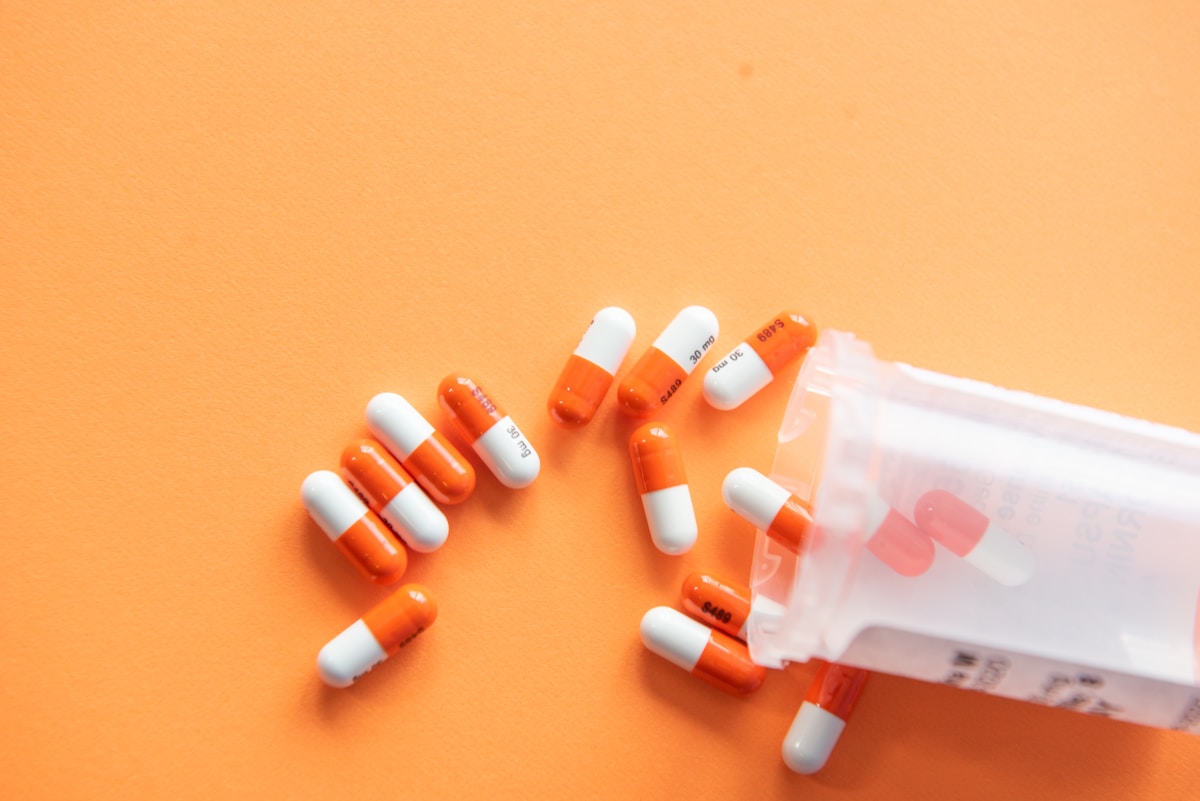
A Lifesaving Medication Under Threat
For more than 25 years, mifepristone has been a cornerstone of reproductive health care in the United States. Approved by the U.S. Food and Drug Administration (FDA) in 2000, the medication is part of a two-drug combination that safely ends an early pregnancy. The risk of serious complications is less than 1%, making the regimen one of the safest available. Today, nearly two-thirds of all people who choose abortion use medication rather than having a surgical procedure. And since 2021, telemedicine has made it possible to receive these pills through the mail after an online consultation. The most recent data show that about 28% of all abortions now happen through telemedicine.
Despite this strong safety record and its popularity, mifepristone access is being challenged in court. A recent legal fight reached a critical point when a federal appeals court sided with a group of states and attempted to reverse the FDA’s most recent rules that allowed patients to get the medication from a pharmacy or by mail. The legal push could have consequences that extend far beyond reproductive health. Experts warn that if a court can dismantle the FDA’s evidence-based decisions for one drug, it could disrupt the entire system of drug regulation in America.
How Mifepristone Is Regulated: The REMS Explained
Mifepristone, like a small number of other medications, is subject to a special safety program called a Risk Evaluation and Management Strategy, or REMS. Under federal law, a REMS must be based on the specific risks a drug presents. For mifepristone, the REMS has been adjusted over time, almost always to increase access as more safety data became available. For many years, patients were required to visit a health care provider in person to pick up the pill. In 2021, the FDA allowed mifepristone to be dispensed through certified pharmacies or sent by mail. In 2023, the FDA permanently removed the in-person dispensing requirement from the REMS. A recent analysis of internal FDA documents from 2011 to 2023, published in the journal JAMA, found that the agency’s regulation of mifepristone was consistently grounded in scientific evidence.
What This Means for Patients
Eliminating the in-person rule meant that patients could have a telehealth visit and receive the medication at home, avoiding unnecessary travel, time off work, and exposure to protesters at clinics. For those who live in rural areas, have limited transportation, or are managing childcare, the change was life-changing. The ability to use telemedicine also protects privacy, which is especially important for people experiencing intimate partner violence or living in states with restrictive abortion laws.
A Timeline of the Legal Back-and-Forth
Legal battles over mifepristone are not new. Anti-abortion groups have been filing challenges since at least 2017. In 2024, the Supreme Court rejected one lawsuit because the physicians and medical associations who brought it could not prove they were personally harmed. But shortly after that decision, several states — including Louisiana — pressed forward with their own challenge to the FDA’s regulation.
The Louisiana attorney general, along with a Louisiana woman, argued that access to mifepristone via telehealth and mail harms the state’s residents, increases Medicaid spending, and interferes with Louisiana’s ability to enforce its multiple abortion bans. In response, the Trump administration did not defend the FDA’s 2023 REMS changes. Instead, it argued the plaintiffs lacked legal standing and asked the court to pause the lawsuit while the FDA conducted a review of mifepristone’s safety. The drug manufacturers Danco and GenBioPro intervened to defend the FDA’s regulation.
On April 7, 2026, a federal district court granted the Trump administration’s request to freeze the litigation and denied Louisiana’s request to immediately invalidate the 2023 REMS. Louisiana appealed right away and asked for an emergency order to stop telemedicine and mail access while the appeal moved forward. On May 1, the Fifth Circuit Court of Appeals ruled in favor of Louisiana, putting a hold on the 2023 changes with immediate, nationwide effect. That ruling sowed mass confusion because the previous rules could not simply snap back — the entire regulatory framework had been altered. Drug manufacturers and other experts explained that blocking the current approval would leave patients and providers in a legal void.
Danco and GenBioPro quickly asked the U.S. Supreme Court to step in. They stressed that the Fifth Circuit’s decision was unprecedented in blocking “a several years’ old drug approval.” Notably, the Trump administration did not join the drug companies’ emergency request. The Supreme Court initially paused the Fifth Circuit’s ruling for two weeks. Then, on May 14, the justices ruled to block the Fifth Circuit’s order while the underlying case continues through the courts. This preserved broader access to mifepristone — at least for now.
What Could Happen If Access Is Cut Back
If a court eventually reinstates the in-person dispensing requirement, patients would be forced to obtain mifepristone directly from their provider in a clinic rather than at a local pharmacy or through the mail. The real-world consequences would be severe, particularly for groups that already face health care inequities. Lower-income individuals, people of color, those in rural areas, and other underserved populations would bear the worst of it. Delays in care can force people into later, more complicated procedures. And mifepristone is also used to manage miscarriages, so restricting the drug affects more than just abortion seekers.
Health experts emphasize that mifepristone’s safety is well-established. The less than 1% risk of serious complications includes outcomes like hemorrhage or infection, and that rate is comparable to or lower than many common prescription drugs. The American College of Obstetricians and Gynecologists and other medical societies have long maintained that medication abortion is extremely safe and that the REMS requirements should be lifted entirely, not made more burdensome.
Reinstating Barriers Hurts Everyone
Any added hurdle — like an in-person pickup rule — can mean the difference between getting timely care and facing weeks of delay. In states with few clinics, travel distances can be hundreds of miles. Missing work, arranging child care, and covering transportation costs are significant barriers that disproportionately affect marginalized communities. When patients are forced to delay, they face increased risks to their physical and mental health. For those in abusive relationships, a mandatory clinic visit can also make it dangerously hard to conceal the medication from a violent partner.
The Bigger Picture: Threat to All FDA Drug Decisions
The legal challenge to mifepristone’s regulation goes well beyond one medication. If a court can overturn an FDA-approved REMS based on a state’s political objections, the entire system of drug regulation could be thrown into chaos. Pharmaceutical company trade group PhRMA, whose members have invested over $850 billion in researching new treatments in the last decade alone, submitted a brief to the court warning of this danger.
The drug companies explained that the FDA has a “comprehensive, science-driven process for evaluating drug safety and effectiveness” that Congress intentionally designed. They argued that “[a]llowing states to leapfrog over the [FDA’s] process to invoke the judicial process would inject instability into that framework…undermining the settled expectations that enable the development and distribution of medicines.” In other words, if any state unhappy with an FDA decision can run to a friendly court, the certainty that drug makers need to invest billions in research evaporates.
The REMS program was built with flexibility so the FDA can respond to new information and improve access based on evolving evidence. The agency also already has a clear process for states and others to raise safety concerns. Bypassing that process through litigation could open the door to political challenges against any drug approval — contraceptives, vaccines, cancer therapies, or treatments for chronic conditions. Patients across the country rely on the trust that their medicines are regulated based on rigorous science, not partisan fights. If judges and politicians are given an outsized role in drug decisions, that trust crumbles.
Practical Takeaways for Patients and Caregivers
For now, mifepristone remains available via telemedicine and at pharmacies where permitted by state law. The Supreme Court’s action means no immediate changes are in effect, but the legal battle is far from over. The case will proceed through the appeals process and could return to the highest court. Here are some key points to keep in mind:
- Access is currently unchanged. Patients can still receive mifepristone by mail or from certified pharmacies in states that allow it.
- Know your state’s laws. Abortion laws vary widely. Even with the FDA’s rules, state restrictions may still limit access. Check trusted sources like AbortionFinder.org or speak with a health care provider.
- Telemedicine is an option for many. If you face barriers like distance or lack of transportation, look into telehealth services that offer medication abortion. They can connect you with a licensed provider remotely.
- Stay informed about legal updatesMedical Disclaimer: This article is for informational purposes only and does not constitute medical advice. Always consult a qualified healthcare professional before making any health decisions. Content reviewed by the HealthyMag Editorial Team.
Source: MedPage Today