Earl Grey Tea Benefits: What the Tea and the Bergamot Do
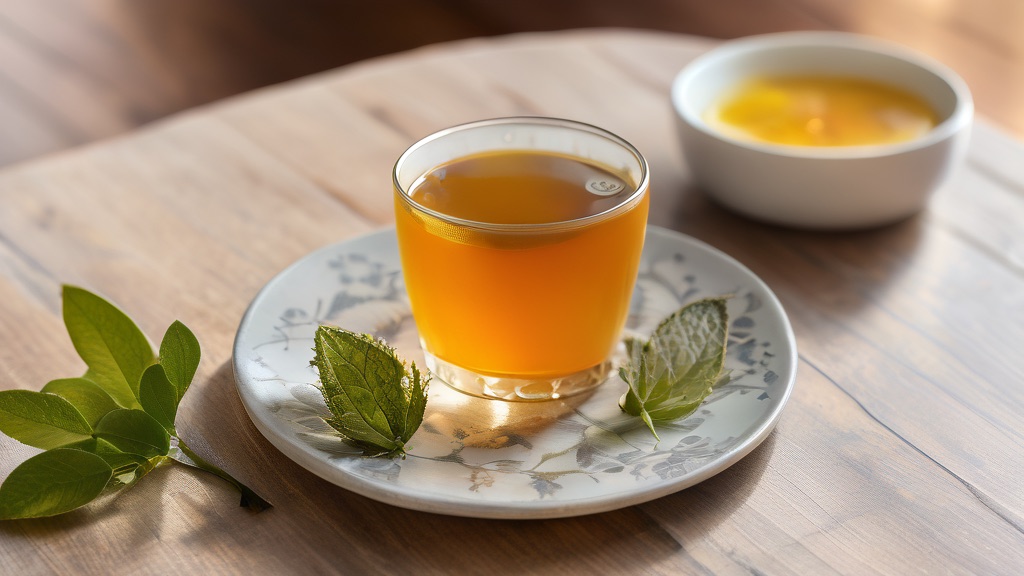
Earl Grey is the tea with an identity: black tea scented with citrusy bergamot, beloved for its distinctive aroma. Along with the flavor come health claims — that it fights heart disease, lowers cholesterol, sharpens focus, and calms stress. Some of that is true, and some is wishful thinking about the bergamot. Here’s an honest, evidence-based look at what Earl Grey tea actually does for your health.
What Earl Grey Actually Is
Earl Grey is simply black tea flavored with oil or extract from the bergamot orange (a small citrus fruit). That means almost all of its nutritional value comes from the black tea base — the bergamot is there mainly for aroma and flavor, usually in tiny amounts (and in many mass-market brands, as a synthetic “nature-identical” flavoring rather than real bergamot). Keep that in mind, because it’s the key to separating Earl Grey’s real benefits from the hype.
The Real Benefits (From the Black Tea)
Heart and Blood Pressure Support
Black tea is rich in flavonoids, antioxidant compounds linked to better vascular health. Meta-analyses of randomized trials find that regular black tea consumption modestly lowers blood pressure — on the order of about 1.8 mmHg systolic and 1.3 mmHg diastolic. That’s a small effect for an individual, but meaningful at a population level, and black tea also appears to improve the flexibility of blood vessels (endothelial function). It’s a gentle plus for heart health, not a treatment.
Calm, Focused Alertness
This is one of tea’s nicest benefits. Black tea contains both caffeine and L-theanine, an amino acid that promotes relaxation without drowsiness. Together they produce a smoother, more focused alertness than caffeine alone — studies show the combination improves attention and task-switching. It’s why a cup of Earl Grey can feel energizing yet less jittery than coffee.
Antioxidants and Hydration
The polyphenols in black tea contribute to your overall antioxidant intake, and unsweetened tea is a hydrating, essentially calorie-free alternative to sugary drinks — a simple, sustainable swap that benefits your whole diet.
The Bergamot Myth: Earl Grey and Cholesterol
Here’s where the honesty matters most. You may have seen claims that bergamot — and therefore Earl Grey — lowers cholesterol. It’s true that bergamot extract has real evidence for improving cholesterol: studies used a standardized bergamot polyphenolic extract at doses around 150 mg of flavonoids daily. But that is a concentrated supplement, not the flavoring in tea. The amount of bergamot compounds in a cup of Earl Grey is a tiny fraction of a therapeutic dose — far too little to meaningfully affect cholesterol.
So enjoy Earl Grey for its taste and black-tea benefits, but if cholesterol is your goal, a cup of tea won’t do it. For the evidence on the actual supplement, see our guide to citrus bergamot for cholesterol.
| Claim | Verdict |
|---|---|
| Modestly supports heart / blood pressure | Real (from black tea flavonoids) |
| Calm, focused alertness | Real (caffeine + L-theanine) |
| Antioxidants, hydration, low-calorie | Real |
| Lowers cholesterol | No — needs bergamot extract, not tea |
| “Detox” / cures disease | Not supported |
How to Get the Most From Earl Grey
- Drink it unsweetened (or lightly sweetened) to keep it calorie-free and tooth-friendly.
- Choose quality tea with real bergamot if you want the authentic aroma.
- Mind the caffeine timing — a cup has roughly 40–70 mg of caffeine, so avoid it late in the day if you’re sensitive.
- Steep 3–5 minutes to extract the beneficial flavonoids without over-bittering.
- Watch add-ins: lots of milk and sugar undercut the health angle.
Where to buy: quality Earl Grey
For the real aroma and flavonoid content, look for loose-leaf Earl Grey made with genuine bergamot oil.
- Earl Grey Tea, FLORAL & CITRUSY, Natural Bergamot Flavor Blended with ORGANIC… (Amazon)
- Citrus Bergamot Extract 1,000mg, Supports Healthy Cholesterol, 60 Capsules (Amazon)
As an Amazon Associate we earn from qualifying purchases. This is shopping information, not medical advice.
Safety and Cautions
- Caffeine sensitivity. Earl Grey contains caffeine; too much or too late can disturb sleep or cause jitters.
- Very high intake of bergamot compounds (from concentrated sources, not normal tea) has rarely been linked to muscle cramps in extreme cases — not a concern at ordinary tea amounts.
- Iron absorption. Tannins in tea can reduce iron absorption from plant foods, so if you’re prone to low iron, avoid drinking tea with iron-rich meals.
- Pregnancy. Keep total caffeine within recommended limits.
Frequently Asked Questions
What are the benefits of Earl Grey tea?
Earl Grey’s benefits come mainly from its black tea base: flavonoid antioxidants that modestly support heart health and lower blood pressure a little, plus caffeine and L-theanine that together create calm, focused alertness. It’s also hydrating and essentially calorie-free when unsweetened. The bergamot adds aroma and a small antioxidant contribution, but not the cholesterol-lowering effect of concentrated bergamot extract.
Does Earl Grey tea lower cholesterol?
Not meaningfully. The cholesterol benefits attributed to bergamot come from standardized bergamot extract supplements at doses around 150 mg of flavonoids daily — far more than the trace bergamot flavoring in a cup of Earl Grey. The tea simply doesn’t contain enough active bergamot compounds to affect cholesterol. If cholesterol is your goal, a bergamot supplement, not Earl Grey tea, is the evidence-based option.
Is Earl Grey good for your heart?
Modestly, yes — because of the black tea. Meta-analyses show regular black tea consumption slightly lowers blood pressure and improves blood-vessel function, thanks to its flavonoids. The effect is small for any one person but positive at a population level. Earl Grey is a heart-friendly drink as part of a healthy lifestyle, but it’s a gentle contributor, not a substitute for diet, exercise, or medication.
Does Earl Grey have caffeine?
Yes. As a black tea, Earl Grey contains caffeine — roughly 40 to 70 mg per cup, less than coffee but enough to be energizing. It also contains L-theanine, which softens caffeine’s effect into a calmer, more focused alertness. If you’re caffeine-sensitive or drinking it in the evening, consider a decaffeinated Earl Grey to avoid sleep disruption.
Can Earl Grey help with focus and stress?
It can help with focus. The combination of caffeine and L-theanine in black tea has been shown to improve attention and task-switching while feeling less jittery than coffee, and L-theanine promotes a relaxed alertness. It’s a mild, pleasant cognitive lift rather than a dramatic one, and the ritual of a warm cup can itself feel calming, but it’s not a treatment for anxiety.
How much Earl Grey tea should you drink a day?
A few cups a day is fine for most people and keeps caffeine within comfortable limits. The main thing to watch is total caffeine, especially later in the day, and to avoid drinking tea with iron-rich meals if you’re prone to low iron, since tannins can reduce iron absorption. Unsweetened, it’s a healthy, hydrating choice you can enjoy daily.
The Bottom Line
Earl Grey is a genuinely healthy everyday drink — just for the right reasons. Its real benefits come from the black tea: flavonoids that modestly help your heart and blood pressure, and a caffeine-plus-L-theanine combination that delivers calm, focused energy. What it won’t do is lower your cholesterol, because the bergamot flavoring is present in far too small an amount to match the concentrated extract used in studies. Enjoy Earl Grey unsweetened for its taste and gentle benefits — and if you’re targeting cholesterol, reach for a proper bergamot supplement instead.
Sources
- Greyling A, Ras RT, Zock PL, et al. The effect of black tea on blood pressure: a systematic review with meta-analysis of randomized controlled trials. PLOS One. 2014;9(7):e103247. Link
- Einother SJL, Martens VEG. Acute effects of tea consumption on attention and mood (caffeine and L-theanine). American Journal of Clinical Nutrition. 2013;98(6):1700S-1708S. Link
- Mollace V, Sacco I, Janda E, et al. Hypolipemic and hypoglycaemic activity of bergamot polyphenols (bergamot extract at ~150 mg flavonoids). Fitoterapia. 2011;82(3):309-316. Link
This article is for informational purposes only and does not constitute medical advice. Earl Grey tea is not a treatment for high cholesterol or heart disease.