Citrus Bergamot for Cholesterol: What the Research Actually Shows
This article contains affiliate links. We only recommend products we have independently researched. Reviewed by the HealthyMag Editorial Team. Last updated: June 2026.
If you have read about a citrus fruit that lowers cholesterol “like a natural statin,” you have almost certainly encountered citrus bergamot. The claims sound almost too tidy: an extract from a small, sour Italian orange that shaves double-digit percentages off your LDL, nudges your HDL upward, and even helps trim triglycerides — all without a prescription. Some of that is genuinely supported by human research. Some of it is marketing built on a thin and imperfect evidence base. This article walks through exactly what bergamot is, what the trials actually measured, where the science is weak, and how to think about it honestly if you are considering it for your heart health.
What citrus bergamot actually is
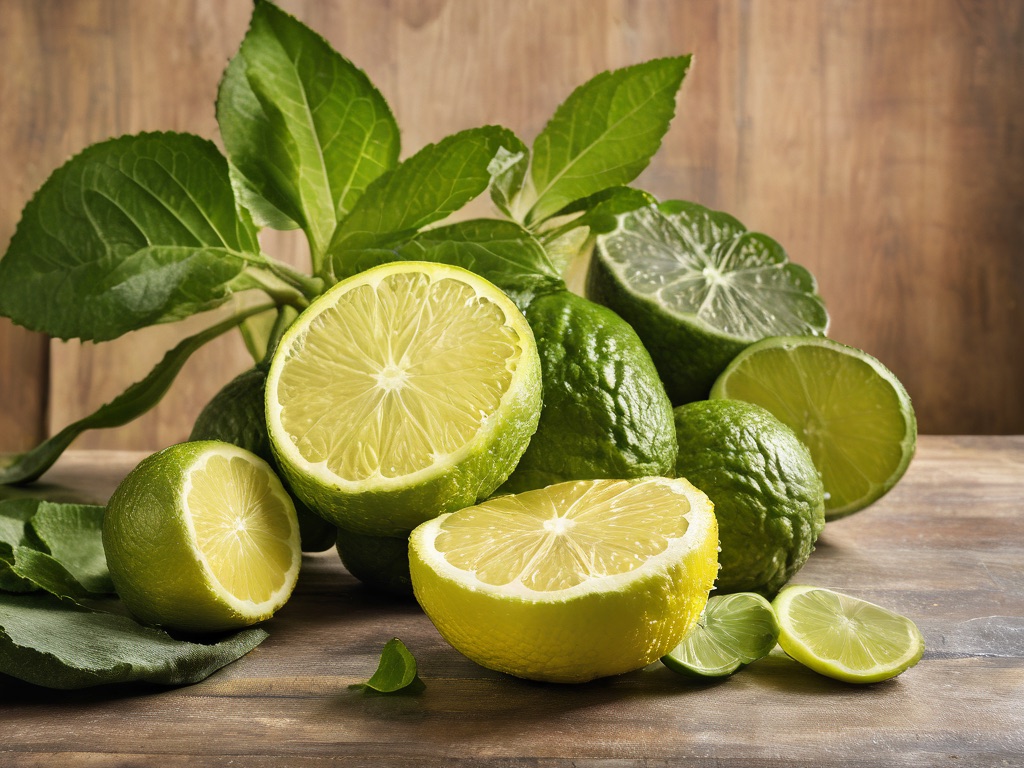
Bergamot (Citrus bergamia) is a citrus fruit grown almost exclusively along the Calabrian coast of southern Italy. You have probably tasted its aromatic oil already — it is what gives Earl Grey tea its distinctive perfume. The fruit itself is too bitter to eat, but its juice and peel are unusually rich in a group of plant compounds called flavonoids.
The supplement world is interested in one specific extract: the bergamot polyphenolic fraction, usually abbreviated BPF. This is a standardized concentrate of bergamot’s flavonoids, and three of them do the heavy lifting in the research — neoeriocitrin, neohesperidin, and naringin, along with two molecules largely unique to bergamot called brutieridin and melitidin. Those last two are structurally interesting because they resemble statin drugs at the molecular level, which is the origin of the popular “natural statin” framing. It is a real structural similarity, but as you will see, structural resemblance and clinical equivalence are not the same thing.
When you see a credible bergamot supplement, the meaningful number is not the raw milligrams of fruit extract but the standardized polyphenol content — the BPF. That is what the studies dosed, and it is what you should be comparing between products.
The cholesterol and lipid evidence: what the trials found
Bergamot’s reputation rests on a handful of human trials, most published since 2011. Here is what they genuinely showed, with the actual numbers.
The foundational trial (Mollace et al., 2011). The most-cited study randomized 237 people with high cholesterol (some also with high blood sugar) to placebo or BPF for 30 days. At 500 mg per day, total cholesterol fell about 21%, LDL fell about 23%, and HDL rose about 26%. At 1,000 mg per day the effects were larger: total cholesterol down roughly 31%, LDL down about 39%, and HDL up around 39%. Triglycerides dropped substantially as well. These are eye-catching numbers — and they are also the source of most of the bold claims you see online.
A longer real-world study (Toth et al., 2015). An open-label study followed 80 people with moderately high cholesterol for 6 months on a daily bergamot flavonoid supplement. LDL fell from about 176 to 144 mg/dL, total cholesterol from about 257 to 223 mg/dL, triglycerides from about 162 to 136 mg/dL, and HDL rose modestly from about 48 to 52 mg/dL. Importantly, the researchers also reported a shift away from small, dense LDL particles — the more atherogenic subtype — toward larger, less harmful ones.
Added to a statin (Gliozzi et al., 2013). This is arguably the most clinically interesting trial. In 77 patients, rosuvastatin 10 mg alone lowered LDL from about 191 to 115 mg/dL. Doubling the statin to 20 mg pushed LDL down to about 87. Strikingly, adding 1,000 mg of BPF to the 10 mg dose brought LDL down to about 90 — roughly matching the higher statin dose, but with less statin. It also reduced markers of vascular oxidative stress. This hints that bergamot might let some people reach their target on a lower statin dose, though it was a small, short, open-label study and is nowhere near enough to change medical practice.
A newer absorption-enhanced formulation (Mollace et al., 2019). A double-blind, placebo-controlled study in 60 people with mixed hyperlipidemia tested both standard BPF and a “phytosome” (lecithin-bound) version designed to absorb better. Both significantly lowered LDL and triglycerides and raised HDL versus placebo, and both reduced small dense LDL particles. The phytosome form produced more than a 2.5-fold increase in absorption of naringin, suggesting lower doses of a well-formulated product might do the work of higher doses of a crude extract.
| Study (year) | Design / size | Dose | Reported lipid changes |
|---|---|---|---|
| Mollace, 2011 | Randomized, placebo-controlled; 237 people; 30 days | 500 mg/day 1,000 mg/day | LDL −23% / −39%; HDL +26% / +39%; total cholesterol −21% / −31% |
| Gliozzi, 2013 | Open-label, placebo-controlled; 77 people; 30 days | 1,000 mg BPF + rosuvastatin 10 mg | LDL 191 → 90 mg/dL (similar to rosuvastatin 20 mg alone) |
| Toth, 2015 | Open-label; 80 people; 6 months | ~150 mg bergamot flavonoids/day | LDL 176 → 144; triglycerides 162 → 136; HDL 48 → 52 mg/dL |
| Mollace, 2019 | Randomized, double-blind, placebo-controlled; 60 people; 30 days | ~500–650 mg BPF (incl. phytosome) | Significant LDL and triglyceride reductions; HDL increase; fewer small dense LDL |
A 2019 systematic review pulling these together concluded bergamot generally improves the lipid profile — but flagged the obvious weaknesses: many trials were open-label, sample sizes were small, durations were short, and a large share of the work traces back to a single Calabrian research group with ties to the region’s bergamot industry. That does not mean the findings are false. It does mean independent, larger, longer, double-blind replication is still thin, and you should weight the marketing accordingly.
How bergamot may work
The proposed mechanisms are plausible and partly overlap with how statins work. Bergamot’s brutieridin and melitidin appear to inhibit HMG-CoA reductase, the same rate-limiting enzyme in cholesterol production that statins block — though far more weakly. Bergamot polyphenols may also reduce cholesterol absorption in the gut, increase the body’s clearance of LDL, and activate AMPK, an enzyme involved in fat and glucose metabolism. On top of the lipid effects, the flavonoids are antioxidants, which may explain the reductions in oxidized LDL and vascular stress markers seen in several trials.
The recurring observation that bergamot shifts LDL toward larger, “fluffier” particles is worth noting, because small dense LDL is more strongly linked to plaque formation than LDL number alone. If that finding holds up in larger trials, it would be a meaningful point in bergamot’s favor. For now it is promising rather than proven. If you are exploring botanicals for metabolic and cardiovascular markers more broadly, our science-based guide to anti-inflammatory supplements covers how to judge this kind of mechanistic evidence without overreading it.
Bergamot versus statins — and as an add-on
This is where honesty matters most, because the “natural statin” label oversells the picture. Statins are among the most rigorously studied drugs in medicine, with large randomized trials and decades of outcome data showing they reduce heart attacks, strokes, and death in higher-risk people. Bergamot has nothing remotely comparable. There is not a single large trial showing bergamot prevents cardiovascular events — every study above measured cholesterol numbers, not heart attacks or survival. Lowering a lab value is encouraging, but it is not the same as proving you live longer or avoid a cardiac event.
So bergamot is not a like-for-like statin substitute, and no one with established heart disease or a high-risk profile should stop a prescribed statin to take it. Where it looks more interesting is as a potential complement: the Gliozzi data suggest it might help people who are statin-intolerant at higher doses, or who want to reach a target on a lower statin dose. That is a conversation to have with a physician who can monitor your labs — not a decision to make alone based on a supplement label. For people focused on the lifestyle and supplement side of metabolic health, it sits alongside other researched options like berberine for blood sugar, which carries its own mix of genuine evidence and overhype.
Dosage and how to choose a product
Across the positive trials, the effective range was roughly 500 to 1,000 mg per day of standardized bergamot polyphenolic fraction, usually taken once or twice daily, often before meals, for at least 30 days before rechecking labs. The 1,000 mg dose produced the largest lipid changes in the foundational study, while phytosome (lecithin-bound) formulations may achieve similar effects at lower doses because they absorb better.
When comparing products, the things that actually matter are:
- Standardization to BPF or total flavonoids. “1,000 mg bergamot” tells you little; “standardized to 38% polyphenols” or a stated BPF content tells you what the studies dosed. Patented, research-grade extracts (the kind named in the trials) are a reasonable signal of quality.
- Third-party testing. Look for verification from an independent lab (such as USP, NSF, or a published certificate of analysis) for potency and contaminants. Supplements are loosely regulated, and label claims are frequently inaccurate.
- A clean, simple formula. Some products add artichoke, olive leaf, or vitamin C; that is fine, but it makes it harder to attribute any effect to bergamot itself.
- Furanocoumarin content, if disclosed. This matters for drug interactions (see below) — some extracts are processed to reduce it.
Because formulation and standardization vary so much between brands, it is worth choosing a transparent, third-party-tested product rather than the cheapest option. If you decide to try bergamot, a standardized extract with published testing is the version most aligned with what the research actually used. The same “buy the standardized, tested version” logic applies to most heart-health botanicals, including options like beetroot juice for blood pressure.
Is bergamot safe?
In the published trials, bergamot extract was generally well tolerated over 30 days to 6 months, with side effects similar to placebo. Some people report mild digestive upset, heartburn, or muscle cramps. The honest limitation is duration: we have very little data beyond 6 months, no large long-term safety studies, and limited information in older or medically complex populations. “Well tolerated in small short studies” is not the same as “proven safe for years of daily use.”
A practical note: the dietary supplement is not the same as bergamot essential oil. Bergamot essential oil applied to skin can cause photosensitivity (a sunburn-like reaction with UV exposure), and essential oils should never be swallowed as a cholesterol remedy. The cholesterol research is on the standardized oral polyphenol extract only.
Drug interactions and who should avoid it
This is the most important safety section, and it is where bergamot’s citrus heritage becomes relevant. Bergamot is botanically related to grapefruit and Seville orange, and it contains furanocoumarins — notably bergamottin — that can inhibit the CYP3A4 enzyme in your gut. CYP3A4 is responsible for metabolizing many common medications, which is the same mechanism behind the well-known “don’t eat grapefruit with these drugs” warnings. In theory, a furanocoumarin-rich bergamot extract could raise blood levels of CYP3A4-metabolized drugs. The degree of risk depends heavily on the specific product and how it is processed, and the clinical data here are limited — which is exactly why caution is warranted.
Talk to a doctor or pharmacist before using bergamot if you:
- Take a statin — both because of the potential CYP3A4 interaction (some statins are metabolized by it) and because bergamot may add to the cholesterol-lowering effect in ways that need monitoring.
- Take blood thinners such as warfarin, or antiplatelet drugs — citrus polyphenols can theoretically affect their levels or activity.
- Take any CYP3A4-metabolized medication — this includes certain blood pressure drugs, immunosuppressants, some sedatives, and others. The grapefruit-interaction list is a reasonable proxy.
- Are pregnant or breastfeeding — there is no adequate safety data, so it should be avoided.
- Have diabetes and take glucose-lowering medication — bergamot can lower blood sugar, so doses may need adjusting and monitoring.
The simplest rule: if you would be told to avoid grapefruit with your medication, treat bergamot supplements with the same caution until a clinician clears you.
Frequently Asked Questions
Does citrus bergamot really lower cholesterol?
Yes, in the available human trials it does measurably lower LDL cholesterol and triglycerides and modestly raise HDL — LDL reductions of roughly 23% to 39% have been reported at 500 to 1,000 mg of standardized extract per day. The honest caveat is that these studies are small, often short, frequently open-label, and concentrated among one research group, so the effect, while real, is less established than the marketing implies.
How much bergamot should I take?
The trials that showed benefit used about 500 to 1,000 mg per day of standardized bergamot polyphenolic fraction (BPF), with the larger lipid changes at 1,000 mg. Better-absorbed phytosome formulations may work at lower doses. Always follow the specific product’s directions and check with a clinician, especially if you take any medication.
Can you take bergamot with a statin?
Possibly, but only under medical supervision. One small study found that adding bergamot to a low-dose statin lowered LDL about as much as doubling the statin dose — which is intriguing — but bergamot can also interact with the CYP3A4 enzyme that metabolizes some statins. Do not combine them on your own; ask your doctor, who can monitor your labs and adjust doses.
How long does bergamot take to lower cholesterol?
Most studies measured results after 30 days, with continued or maintained improvement over 6 months in the longer trial. A reasonable approach is to recheck your lipid panel after about 8 to 12 weeks of consistent use to see whether it is actually working for you.
Does bergamot have side effects?
In trials it was generally well tolerated, with side-effect rates similar to placebo. Some users report mild digestive upset, heartburn, or muscle cramps. The main limitation is that long-term safety beyond 6 months has not been well studied.
Is citrus bergamot the same as bergamot essential oil?
No. The cholesterol research is on a standardized oral polyphenol extract (BPF), not the aromatic essential oil used in tea and perfume. Bergamot essential oil should never be swallowed as a cholesterol remedy and can cause skin photosensitivity when applied topically.
Who should not take bergamot?
Avoid it, or seek medical clearance first, if you are pregnant or breastfeeding, take blood thinners, take statins or other CYP3A4-metabolized drugs, or take diabetes medication. As a grapefruit relative, bergamot can affect how some medications are processed.
Is bergamot better than a statin?
No. Statins have large, long-term trials proving they reduce heart attacks, strokes, and deaths. Bergamot has only shown improvements in cholesterol numbers in small studies — no trial has demonstrated it prevents cardiovascular events. It may be a reasonable complementary option for some people, but it is not a proven replacement for prescribed therapy.
The Bottom Line
Citrus bergamot is one of the more credible cholesterol supplements on the market — which is genuine praise in a category full of empty claims. Human trials consistently show it lowers LDL and triglycerides, raises HDL, and may shift LDL toward less harmful particle types, typically at 500 to 1,000 mg of standardized polyphenols per day. The add-on-to-statin data are especially interesting. But the evidence is also modest: small studies, short durations, frequent open-label designs, reliance on one research group with industry ties, and zero proof that it prevents actual heart attacks or strokes. Treat it as a promising adjunct, not a substitute for proven medical care. Choose a standardized, third-party-tested product, recheck your labs after a couple of months, and — because bergamot is a grapefruit relative with real drug-interaction potential — loop in your doctor or pharmacist before you start, particularly if you take a statin, a blood thinner, or any medication you have been told to keep away from grapefruit.
🛒 Where to buy: citrus bergamot
Herbal Lab’s Italian citrus bergamot is an alcohol-free liquid extract in a vegetable glycerin base, 20:1, 1,500 mg per dropper, 60 servings, third-party lab tested and made in the USA. It supports cardiovascular wellness, and drops suit people who would rather not swallow capsules — you add them to half a glass of water. One thing we would want you to know before you choose: the label gives the extraction ratio rather than a polyphenol percentage, so if matching a standardised BPF figure matters to you, ask them for the certificate of analysis or use a capsule that states the percentage on the bottle.
See Herbal Lab bergamot (15% off)
Affiliate link — we may earn a commission at no extra cost to you, and it does not change what we have written above. Code HERBAL15 is applied at checkout. These statements have not been evaluated by the Food and Drug Administration. This product is not intended to diagnose, treat, cure, or prevent any disease.
Sources
- Mollace V, Sacco I, Janda E, et al., “Hypolipemic and hypoglycaemic activity of bergamot polyphenols: from animal models to human studies,” Fitoterapia, 2011. https://pubmed.ncbi.nlm.nih.gov/21056640/
- Gliozzi M, Walker R, Muscoli S, et al., “Bergamot polyphenolic fraction enhances rosuvastatin-induced effect on LDL-cholesterol, LOX-1 expression and protein kinase B phosphorylation in patients with hyperlipidemia,” International Journal of Cardiology, 2013. https://www.sciencedirect.com/science/article/abs/pii/S0167527313017087
- Toth PP, Patti AM, Nikolic D, et al., “Bergamot Reduces Plasma Lipids, Atherogenic Small Dense LDL, and Subclinical Atherosclerosis in Subjects with Moderate Hypercholesterolemia: A 6 Months Prospective Study,” Frontiers in Pharmacology, 2015. https://pmc.ncbi.nlm.nih.gov/articles/PMC4702027/
- Mollace V, Scicchitano M, Paone S, et al., “Hypoglycemic and Hypolipemic Effects of a New Lecithin Formulation of Bergamot Polyphenolic Fraction: A Double Blind, Randomized, Placebo-Controlled Study,” Endocrine, Metabolic & Immune Disorders Drug Targets, 2019. https://pubmed.ncbi.nlm.nih.gov/30501605/
- Lamiquiz-Moneo I, Giné-González J, Alisente S, et al., “Effect of bergamot on lipid profile in humans: A systematic review,” Critical Reviews in Food Science and Nutrition, 2020. https://www.tandfonline.com/doi/full/10.1080/10408398.2019.1677554
- Di Cesare Mannelli L, et al., “Clinical application of bergamot (Citrus bergamia) for reducing high cholesterol and cardiovascular disease markers,” Integrative Food, Nutrition and Metabolism, 2019. https://pmc.ncbi.nlm.nih.gov/articles/PMC6497409/
If you are here because a statin caused muscle symptoms rather than because of cholesterol numbers alone, the CoQ10 question has its own evidence: two systematic reviews disagree, and neither found it helped anyone stay on their statin.