Vegan Probiotics: What to Look For and Do They Actually Work?
Reviewed by the HealthyMag Editorial Team. Last updated: July 2026.
If you follow a plant-based diet, you have probably wondered whether your probiotic is truly vegan, and whether it does anything at all. Both are fair questions. The supplement aisle is full of “gut health” promises, and the marketing rarely distinguishes between what is proven, what is plausible, and what is wishful thinking. The good news: vegan and dairy-free probiotics are widely available. The honest caveat: choosing a vegan formula is about ethics and ingredients, not about getting a better or worse result. What actually determines whether a probiotic helps is the specific strain, the dose, and what you are trying to treat.
This guide covers what makes a probiotic vegan, what the research honestly says about whether probiotics work, how to read a label, and why fermented foods and dietary fiber deserve a place in any plant-based gut-health plan.
What makes a probiotic vegan?
Here is the part that surprises most people: many common probiotic strains are, at the level of the bacteria themselves, already suitable for vegans. Species such as Lactobacillus and Bifidobacterium are microorganisms, not animals. The problem is not the bacteria. It is how they are grown and packaged.
Two hidden animal ingredients turn an otherwise plant-friendly strain into a non-vegan product:
- Dairy-based growth media. Probiotic bacteria have to be cultured on something before they end up in a capsule. Some manufacturers grow Lactobacillus and Bifidobacterium species on milk- or whey-derived media. If the bacteria are fed on dairy during production, the finished product is not vegan, even if the label never lists milk as a headline ingredient. Vegan products use plant-based or synthetic fermentation media instead.
- Gelatin capsules and animal-derived fillers. Gelatin, made from animal collagen, is one of the most common capsule materials in the supplement industry. Some formulas also use lactose (a milk sugar) as a filler or carrier. Vegan alternatives include capsules made from HPMC (hydroxypropyl methylcellulose / vegetable cellulose) or pullulan, a polysaccharide derived from tapioca fermentation.
So “is this probiotic vegan?” really breaks into three questions: What were the bacteria grown on? What is the capsule made of? And are the fillers plant-based? A product can only call itself genuinely vegan when the answer is plant-based from start to finish.
Do probiotics actually work?
This is where honesty matters most, because it is where marketing tends to overreach. The single most important thing to understand about probiotics is that their effects are strain-specific. A benefit demonstrated for one strain in one condition does not automatically transfer to a different strain, a different brand, or a different health goal. “Probiotics are good for you” is not a scientific statement; “this particular strain, at this dose, helps this particular problem” is.
Two areas have reasonably good evidence:
- Antibiotic-associated diarrhea (AAD). A meta-analysis of 36 studies with more than 9,000 participants found probiotics reduced the incidence of AAD by roughly 38% (pooled relative risk about 0.62). Certain strains, such as Saccharomyces boulardii and Lactobacillus rhamnosus GG, performed best. Cochrane reviews have reached similar conclusions, particularly in children. Starting the probiotic within about two days of beginning antibiotics appears to matter.
- Irritable bowel syndrome (IBS). Meta-analyses suggest probiotics can modestly reduce abdominal pain and bloating and improve overall symptom response in IBS. Importantly, the certainty of that evidence is often rated low to very low, and results vary widely by strain, so the effect is real but modest.
Areas where the evidence is weaker than the marketing suggests include mood, anxiety, and depression. While there is genuine research interest in “psychobiotics,” reviews of probiotics in IBS patients generally found improvements in quality of life but no reliable effect on anxiety or depression. A few specially formulated strains have shown early, intriguing signals, but this is a frontier, not a settled result. You can read our deeper look at probiotics for depression for the current state of that science. And broad claims that a generic probiotic will fix “gut health,” boost immunity, or help you lose weight are, for now, largely unsupported.
| Strain / use | What the evidence suggests | Strength of evidence |
|---|---|---|
| S. boulardii, L. rhamnosus GG — antibiotic-associated diarrhea | Reduces risk of AAD, especially when started early | Moderate to good |
| Specific strains — IBS symptoms | Modest reduction in pain and bloating; varies by strain | Low to moderate |
| Multi-strain blends — general “gut health” | No reliable proof of benefit in healthy people | Weak |
| Probiotics — mood, anxiety, depression | Mostly no reliable effect; a few early signals | Very weak / emerging |
| Probiotics — immunity, weight loss | Claims outpace the evidence | Weak |
The practical takeaway: match a documented strain to a documented purpose. If a product does not name its exact strains, it cannot make an evidence-based promise about what it will do.
What to look for in a vegan probiotic
If you decide a supplement is worth trying, the label tells you almost everything. Look for:
- Named strains, not just species. You want the full strain designation, for example Lactobacillus rhamnosus GG or Bifidobacterium longum 35624, not just “Lactobacillus blend.” Strain identity is what ties a product to actual research.
- CFU count, with an expiration guarantee. CFU (colony-forming units) is the number of live organisms. Many effective products fall in the 1 to 50 billion CFU range, but more is not automatically better. Crucially, look for the CFU count guaranteed through the expiration date, not just “at time of manufacture,” since live bacteria die off over time.
- A vegan capsule. Confirm it uses HPMC/vegetable cellulose or pullulan rather than gelatin, and that fillers are plant-based (no lactose).
- Vegan certification or a clear statement about growth media. A reputable vegan probiotic will say the bacteria were cultured on plant-based or dairy-free media. A certification logo helps, but a specific ingredient statement is what actually matters.
- Third-party testing. Independent verification (for identity, potency, and contaminants) is a strong quality signal in a loosely regulated category.
Vegan food sources of probiotics (fermented foods)
Before reaching for a capsule, it is worth remembering that plant-based diets have a long, delicious history of fermented foods that deliver live microbes naturally:
- Sauerkraut and kimchi (choose fish-sauce-free kimchi for a vegan version) — raw, unpasteurized, refrigerated versions contain live cultures; shelf-stable, pasteurized jars usually do not.
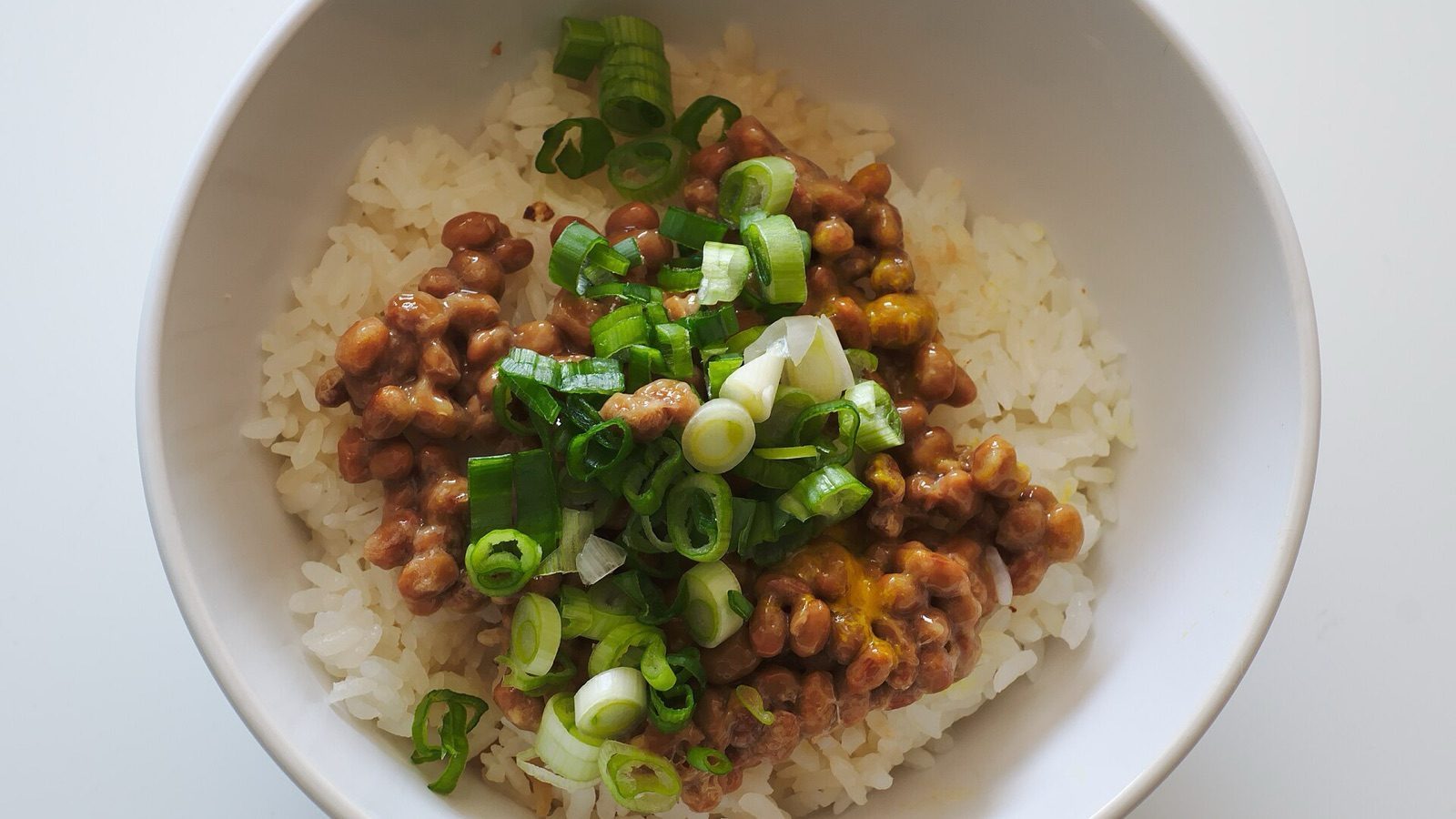
- Tempeh and miso — fermented soy staples. (Note that cooking tempeh and hot miso soup will kill most live organisms, though the fermentation still changes the food’s nutrition.)
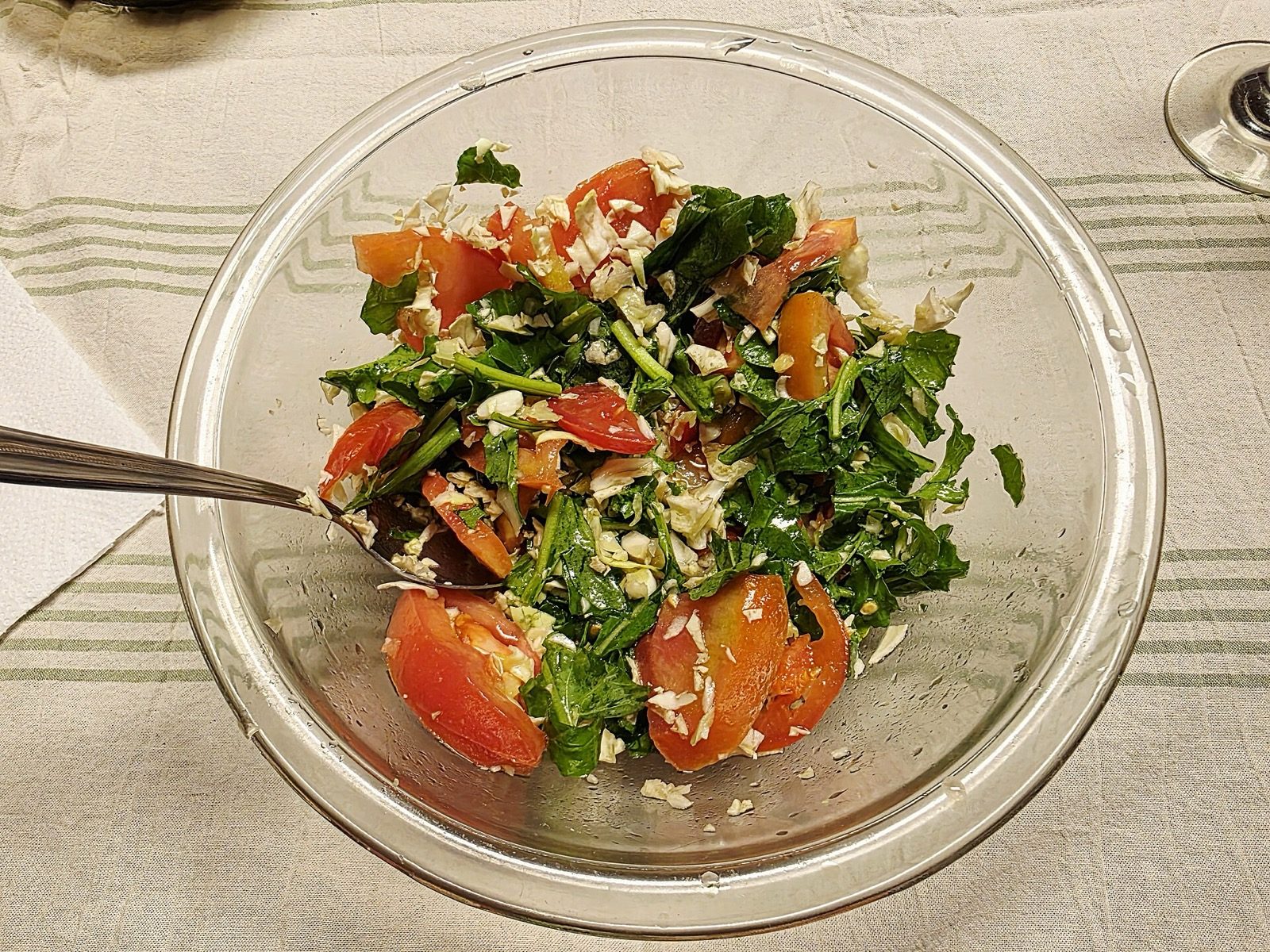
- Fermented vegetables and vegetable brine drinks, and plant-based yogurts or kefir made with live cultures.
A 2021 Stanford study is often cited here: a 10-week diet high in fermented foods increased gut microbial diversity and lowered several markers of inflammation in healthy adults. Notably, variety mattered more than the amount of any single food. Whole fermented foods also bring fiber and other nutrients a capsule cannot, and they are naturally vegan when you skip the dairy and fish-derived versions. Diet and lifestyle shape your microbiome in ways supplements cannot replicate; even exercise appears to influence gut health.
Prebiotics matter too (fiber)
Probiotics are the live organisms; prebiotics are the food that feeds them. Prebiotics are mostly types of dietary fiber your own gut bacteria ferment, and a plant-based diet is naturally rich in them. Onions, garlic, leeks, asparagus, oats, bananas, legumes, and whole grains all supply fermentable fiber that supports the microbes already living in your gut.
This is arguably the most reliable “gut health” lever available, and it costs nothing extra: consistently eating a wide variety of high-fiber plant foods does more to shape a resilient microbiome than most people expect. If you are choosing where to put your effort, feeding your existing microbes with fiber is a strong, evidence-supported bet. Researchers are also studying specific beneficial gut species that thrive on fiber, such as Akkermansia muciniphila, though supplementing them directly is still an emerging field.
Safety and who should be cautious
For most healthy people, probiotics and fermented foods are considered safe, and side effects are usually limited to temporary gas or bloating as your system adjusts. That said, probiotics are not risk-free for everyone.
People who should talk to a clinician before taking probiotic supplements include those who are immunocompromised (for example, undergoing chemotherapy or living with an immune-suppressing condition), critically ill or hospitalized, people with central venous catheters, and premature infants — groups in which live organisms carry a higher, if uncommon, risk of infection. Anyone with a serious underlying illness should get individual advice. Probiotics are supplements, not regulated medicines, so quality varies, and they should never replace treatment your doctor has prescribed.
The bottom line
Vegan probiotics are easy to find, and there is no reason a plant-based diet should leave you short on gut-friendly bacteria. But keep the two questions separate. “Is it vegan?” is answered on the label, by the growth media, the capsule, and the fillers. “Does it work?” is answered by the science, which says benefits are strain-specific and modest, strongest for antibiotic-associated diarrhea and some IBS symptoms, and weak for the sweeping wellness claims. A food-first approach — varied fermented plant foods plus plenty of fiber — is a sensible, well-supported foundation. If you do add a supplement, choose a named strain matched to a real goal, and check with a professional if you have any health concerns.
Frequently Asked Questions
Are probiotics vegan?
Not automatically. The bacteria themselves are microorganisms, not animals, so many strains are technically vegan-compatible. But a finished product may not be if the bacteria were grown on dairy-based media, if the capsule is made from gelatin, or if lactose is used as a filler. Check the label for plant-based growth media and a vegan capsule.
Do vegan probiotics work?
Being vegan has no bearing on effectiveness — it describes the ingredients and production, not the biology. Whether any probiotic works depends on the specific strain, the dose, and what you are treating. The strongest evidence is for preventing antibiotic-associated diarrhea and modestly easing some IBS symptoms, not for general “gut health.”
What is the best vegan probiotic?
There is no single best product, because the right choice depends on your goal. The best-supported approach is to pick a formula that names its exact strains (matched to a use with real evidence), guarantees CFU through the expiration date, uses a vegan capsule, and has third-party testing — rather than chasing the highest CFU number or the loudest marketing.
Can you get probiotics from food on a vegan diet?
Yes. Fermented plant foods such as sauerkraut, kimchi (fish-sauce-free), tempeh, miso, fermented vegetables, and live-culture plant yogurts or kefirs all provide beneficial microbes. Choose raw, unpasteurized, refrigerated versions for live cultures, and note that cooking kills most of the organisms.
How do I know if a probiotic is vegan?
Look for three things: a statement that the bacteria were cultured on plant-based or dairy-free media, a capsule made from HPMC/vegetable cellulose or pullulan rather than gelatin, and plant-based fillers with no lactose. A vegan certification logo is a helpful shortcut, but a clear ingredient and growth-media statement is what really confirms it.
Are dairy-free probiotics as effective?
Yes. “Dairy-free” refers to how the product is made and packaged, not to how the bacteria behave in your gut. A dairy-free or vegan probiotic with the same strain and dose as a conventional one should perform the same. Effectiveness is driven by strain and dose, not by whether dairy was involved in production.
Who should not take probiotics?
People who are immunocompromised, critically ill or hospitalized, have central venous catheters, or premature infants should avoid probiotic supplements unless a clinician advises otherwise, because live organisms carry a small but real infection risk in these groups. Anyone with a serious health condition should check with a doctor first.
The Bottom Line
Choosing a vegan probiotic is straightforward once you know to check the growth media, capsule, and fillers — but “vegan” says nothing about whether the product works. Probiotic benefits are strain-specific and generally modest, with the best evidence for antibiotic-associated diarrhea and some IBS symptoms. For most plant-based eaters, a varied diet of fermented foods and plenty of fiber is a reliable foundation, with supplements as a targeted add-on rather than a cure-all. When in doubt, match a proven strain to a real goal and talk to a healthcare professional.
Sources
- Probiotics for the Prevention of Antibiotic-associated Diarrhea in Adults: A Meta-Analysis of Randomized Placebo-Controlled Trials (PMC)
- Comparative efficacy and tolerability of probiotics for antibiotic-associated diarrhea: Systematic review with network meta-analysis (PMC)
- Strain-Specificity and Disease-Specificity of Probiotic Efficacy: A Systematic Review and Meta-Analysis (Frontiers in Medicine)
- Efficacy of Probiotics for Irritable Bowel Syndrome: A Systematic Review and Network Meta-Analysis (PMC)
- The Effect of Probiotics on Quality of Life, Depression and Anxiety in Patients with Irritable Bowel Syndrome: A Systematic Review and Meta-Analysis (PMC)
- Fermented-food diet increases microbiome diversity, decreases inflammatory proteins, study finds (Stanford Medicine)
- Fermented Foods: Definitions and Characteristics, Impact on the Gut Microbiota and Effects on Gastrointestinal Health and Disease (PMC)