Akkermansia Probiotic: What the Human Trials Actually Found
Reviewed by the HealthyMag Editorial Team. Last updated: July 2026.
Akkermansia muciniphila has gone from an obscure name in microbiology papers to a marquee ingredient on supplement labels in just a few years. It is frequently marketed as a “next-generation probiotic” and linked to weight loss, blood sugar control, and a healthier gut lining. Some of that excitement rests on a real and interesting scientific foundation. Some of it is marketing running ahead of the evidence.
This article walks through what Akkermansia muciniphila actually is, what the human research does and does not show, the genuinely surprising finding that heat-killed bacteria may work better than live ones, and how the supplement stacks up against simply feeding the Akkermansia you already carry. Our goal is to give you an honest, balanced picture, not a sales pitch.
What is Akkermansia muciniphila?
Akkermansia muciniphila is a bacterium that lives in the mucus layer lining your gut. Unlike many probiotic strains that live in the food stream, Akkermansia specializes in feeding on mucin, the protein that makes up your intestinal mucus. In doing so, it helps stimulate a healthy turnover of that mucus barrier, which is part of why researchers find it so interesting.
It is not a rare or exotic organism. In a healthy adult gut, A. muciniphila typically makes up somewhere around 1 to 4 percent of the total gut microbiota, making it one of the more abundant single species most people carry. First described in 2004, it belongs to a group of microbes that scientists now call “next-generation probiotics,” meaning beneficial gut residents identified through modern microbiome science rather than the traditional yogurt-and-fermentation lineage of Lactobacillus and Bifidobacterium.
Why it matters for metabolic health
The reason Akkermansia attracts so much attention is a consistent pattern seen across many studies: people with obesity, type 2 diabetes, and other metabolic problems tend to have lower levels of this bacterium in their gut. In studies of type 2 diabetes, lower Akkermansia abundance has been associated with higher insulin resistance (HOMA-IR) and higher body mass index.
An association is not the same as cause and effect. Lower Akkermansia could be a result of metabolic dysfunction rather than a driver of it. But animal research strengthens the case: in mice, giving Akkermansia or feeding prebiotics that boost it has improved markers of diet-induced obesity and blood sugar control. That combination of human correlation plus mechanistic animal data is what pushed researchers to test the bacterium directly in people. If you are working to improve blood sugar, our guide on how to reverse prediabetes and lower heart risk covers the lifestyle foundations that matter most.
What the research shows
The pivotal study is a 2019 proof-of-concept trial led by Clara Depommier, Patrice Cani, and colleagues, published in Nature Medicine. It was a small randomized, double-blind, placebo-controlled pilot: 40 overweight or obese, insulin-resistant adults were enrolled, and 32 completed the three-month study. Participants took either live A. muciniphila, pasteurized (heat-killed) A. muciniphila, or a placebo daily.
The headline results came from the pasteurized group. Compared with placebo, pasteurized Akkermansia improved insulin sensitivity by roughly 29 percent, lowered fasting insulin by about 34 percent, and reduced total cholesterol modestly. It also slightly lowered body weight and fat mass, though these body-composition changes were smaller and not always statistically significant. Live bacteria trended toward benefit but did not reach the same significance. Importantly, both forms were safe and well tolerated, with side-effect rates similar to placebo.
Newer data adds useful nuance. A 2024 randomized trial in Cell Metabolism tested a pasteurized-style Akkermansia product in 58 people with overweight or obese type 2 diabetes over 12 weeks. Across the whole group, improvements were not clearly better than placebo. But when researchers split participants by their starting Akkermansia levels, those who began with low baseline Akkermansia showed better colonization and meaningful reductions in body weight, fat mass, and HbA1c, while those already high in Akkermansia saw little benefit. In other words, the supplement may help most in people who are actually deficient.
| Study | Design | Key finding | Caveat |
|---|---|---|---|
| Depommier et al., Nature Medicine, 2019 | RCT, 3 months, 32 completers, overweight/insulin-resistant adults | Pasteurized Akkermansia improved insulin sensitivity (~29%) and lowered fasting insulin and total cholesterol | Small pilot; metabolic markers, not hard outcomes |
| RCT in Cell Metabolism, 2024 | RCT, 12 weeks, 58 adults with type 2 diabetes | Benefit (weight, fat, HbA1c) mainly in those with LOW baseline Akkermansia | No overall between-group difference; benefit depended on baseline |
| Animal & mechanistic studies | Mice, diet-induced obesity models | Akkermansia or prebiotics that boost it improved obesity and glucose markers | Animal results do not always translate to humans |
The surprising pasteurized finding
The most counterintuitive result in the Akkermansia story is that the dead bacteria worked as well as, or better than, the live ones. In the 2019 trial, it was the pasteurized (heat-killed) form that produced the clearest metabolic improvements.
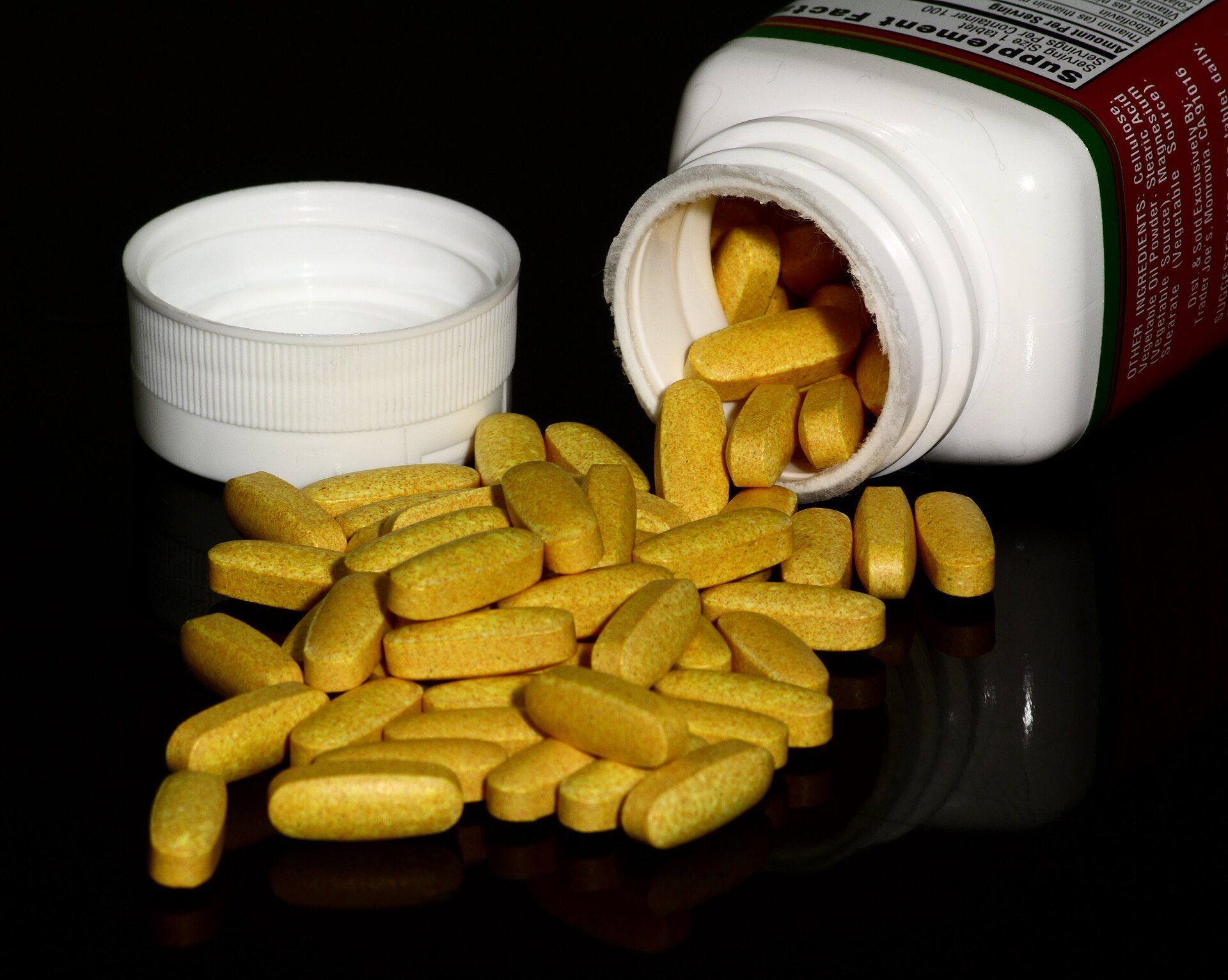
This flips the usual probiotic logic on its head. Traditional probiotics are sold on the promise of “live and active cultures” that colonize your gut. With Akkermansia, researchers believe the benefit may come partly from a specific protein on the bacterium’s outer membrane, a component that survives pasteurization and can still signal to your gut lining and immune system. Heat-killing also has practical advantages: a stable, non-living ingredient is far easier to standardize, dose, and keep viable on a shelf than a fragile live anaerobe that dies on contact with oxygen. It is a reminder that “live” is not automatically better, and that the mechanism matters more than marketing slogans.
Supplements vs feeding your own Akkermansia
Before reaching for a capsule, it is worth remembering that you can influence your existing Akkermansia through diet. Because this microbe feeds on mucin and responds to certain plant compounds, several dietary patterns are associated with higher levels.
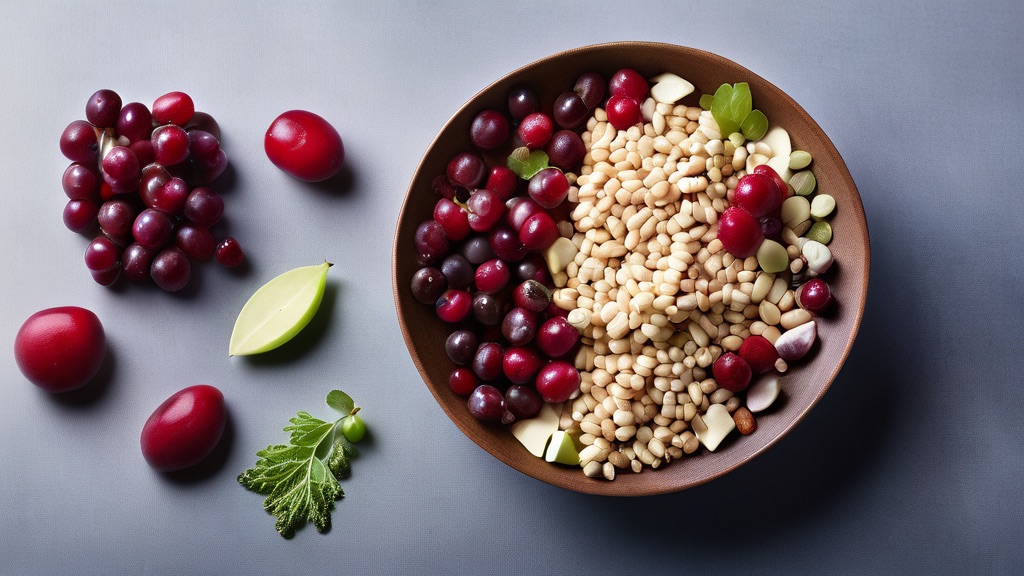
Polyphenols. Compounds found in foods like cranberries, grapes, and other richly colored plants have boosted Akkermansia in animal studies, sometimes dramatically. Human data is less consistent than mouse data, so treat this as promising rather than proven, but polyphenol-rich foods are healthful regardless.
Fiber and whole plants. A diet rich in diverse fiber generally supports a healthier, more diverse microbiome. Fermentable fibers feed short-chain-fatty-acid-producing microbes and help maintain the gut environment Akkermansia thrives in.
Overall eating pattern. This is exactly where a plant-forward, minimally processed diet shines. Our overview of the Mediterranean diet for diabetes describes a realistic template built on vegetables, legumes, whole grains, olive oil, and polyphenol-rich produce, the same building blocks that support a healthy gut. For most people, this food-first approach is a lower-risk, better-value starting point than an expensive supplement.
Honest limits and safety
It is important to be clear-eyed about what the evidence does not yet show. The human trials are small and short. They measured blood and body-composition markers, such as insulin sensitivity and fasting insulin, not hard clinical outcomes like preventing diabetes, heart attacks, or long-term weight maintenance. Proof-of-concept is an early rung on the ladder, not the top.
Supplement quality is another real concern. Akkermansia is a fussy, oxygen-sensitive anaerobe, and live products can vary widely in how many viable organisms actually survive to your gut. Strain and formulation differences mean that not every product on the shelf matches what was studied. The commercial supplements evaluated in the best trials are specific pasteurized preparations, not generic “Akkermansia” powders.
On safety, the studies so far report that supplementation is well tolerated, with side effects comparable to placebo. That is reassuring for short-term use in generally healthy adults, but long-term safety data is limited. People who are pregnant or breastfeeding, who are immunocompromised, or who have serious illness should be cautious, and anyone with a medical condition or on medication should talk to a doctor before starting. This is emerging science, not settled medicine, and it is not a substitute for proven treatments for diabetes or obesity. The gut microbiome also influences other areas of health under active study, such as the emerging research on probiotics for depression, which is likewise early and evolving.
Frequently Asked Questions
What does Akkermansia muciniphila do?
Akkermansia muciniphila lives in your gut’s mucus layer and feeds on mucin, the protein that makes up that mucus. In doing so it helps stimulate healthy renewal of the gut barrier and interacts with your immune and metabolic systems. In research settings, it is associated with better markers of insulin sensitivity and metabolic health.
Does Akkermansia help with weight loss?
Not dramatically, and not reliably. In the 2019 human trial, the pasteurized form was linked to small reductions in body weight and fat mass, but these changes were modest and not always statistically significant. A 2024 trial found weight and HbA1c benefits mainly in people who started with low Akkermansia levels. It is not a proven weight-loss treatment.
Is Akkermansia supplement safe?
In the human studies conducted so far, both live and pasteurized Akkermansia were well tolerated over three months, with side-effect rates similar to placebo. However, long-term safety data is limited, and people who are pregnant, immunocompromised, or seriously ill should be cautious and consult a doctor first.
How can I increase Akkermansia naturally?
Diet is the main lever. Polyphenol-rich foods such as cranberries and grapes, along with a fiber-diverse, plant-forward eating pattern like the Mediterranean diet, are associated with higher Akkermansia levels. Human evidence is less consistent than animal data, but these foods are healthful regardless, making this a sensible low-risk first step.
Is pasteurized Akkermansia better than live?
Surprisingly, the evidence suggests it may be. In the 2019 Nature Medicine trial, the pasteurized (heat-killed) form produced clearer metabolic improvements than the live bacteria. Researchers think a specific outer-membrane protein that survives pasteurization may drive the benefit, and heat-killed products are also easier to standardize and keep stable.
Who should take Akkermansia?
There is no established medical indication yet. The people most likely to benefit, based on the 2024 trial, are those with low baseline Akkermansia and metabolic issues such as insulin resistance. Even then it should complement, not replace, proven measures like diet, exercise, and prescribed treatment. Discuss it with your doctor first.
Is Akkermansia a next-generation probiotic?
Yes. It is one of the flagship examples of “next-generation probiotics,” beneficial gut microbes identified through modern microbiome science rather than the traditional fermentation-derived strains like Lactobacillus and Bifidobacterium. That label reflects how it was discovered, not a guarantee of superior results.
Does Akkermansia actually work?
The honest answer is “promising but unproven.” There is one solid, well-designed first human trial plus supportive animal and mechanistic data, which is more than many trendy supplements can claim. But the studies are small, short, and focused on blood markers rather than hard health outcomes. Consider it emerging science worth watching, not an established treatment.
The Bottom Line
Akkermansia muciniphila is one of the more scientifically credible entries in the crowded supplement world. It rests on a genuine biological rationale, a well-designed first human trial, and the intriguing, well-replicated finding that a pasteurized form may outperform live bacteria. That is a real foundation, and it deserves continued research.
At the same time, the evidence is early. The trials are small, short, and measure metabolic markers rather than proven long-term outcomes, and benefit appears to depend on your starting levels and on product quality. For most people, the smartest, lowest-risk move is to feed the Akkermansia you already have with a fiber-rich, polyphenol-rich, plant-forward diet, and to treat supplementation as an optional experiment to discuss with a healthcare professional, not a shortcut to metabolic health.
Sources
- Depommier C, Everard A, Druart C, et al. Supplementation with Akkermansia muciniphila in overweight and obese human volunteers: a proof-of-concept exploratory study. Nature Medicine. 2019;25:1096–1103. https://www.nature.com/articles/s41591-019-0495-2
- Depommier C, et al. Proof-of-concept exploratory study (PubMed record). Nature Medicine. 2019. https://pubmed.ncbi.nlm.nih.gov/31263284/
- Akkermansia muciniphila supplementation in patients with overweight/obese type 2 diabetes: Efficacy depends on its baseline levels in the gut. Cell Metabolism. 2024. https://www.cell.com/cell-metabolism/fulltext/S1550-4131(24)00492-3
- Everard A, et al. Cross-talk between Akkermansia muciniphila and intestinal epithelium controls diet-induced obesity. PNAS. 2013. https://www.pnas.org/doi/10.1073/pnas.1219451110
- Function of Akkermansia muciniphila in type 2 diabetes and related diseases. Frontiers in Microbiology. 2023. https://pmc.ncbi.nlm.nih.gov/articles/PMC10310354/
- Strategies to promote abundance of Akkermansia muciniphila: evidence from dietary intervention studies. PMC. 2018. https://pmc.ncbi.nlm.nih.gov/articles/PMC6223323/
- Roopchand DE, et al. Dietary Polyphenols Promote Growth of the Gut Bacterium Akkermansia muciniphila and Attenuate High-Fat Diet-Induced Metabolic Syndrome. Diabetes / PMC. 2015. https://pmc.ncbi.nlm.nih.gov/articles/PMC4512228/