A Mediterranean Diet Cut Type 2 Diabetes Risk by 31%, a Major Trial Found
Reviewed by the HealthyMag Editorial Team. Last updated: July 2026.
Type 2 diabetes has become one of the defining chronic conditions of our time, and much of the research on preventing it circles back to the same question: what should people actually eat? A major randomized trial has now added one of the strongest answers yet. Published in Annals of Internal Medicine in August 2025, an analysis from the Spanish PREDIMED-Plus study found that a Mediterranean-style eating plan, combined with cutting calories and getting more physical activity, reduced the number of new type 2 diabetes cases by roughly 31% in high-risk older adults over about six years.
That is a striking result for a lifestyle change, and it is worth understanding clearly, including its limits. Here is what the trial found, what a Mediterranean diet actually involves, and how to start one in a realistic, budget-aware way.
What the trial found
PREDIMED-Plus is a randomized controlled trial run across 23 research centers in Spain, in collaboration with the Harvard T.H. Chan School of Public Health. Randomized trials are the gold standard in nutrition research because participants are assigned to groups by chance, which helps rule out the confounding that makes observational diet studies so hard to trust.
The overall study enrolled 6,874 adults aged 55 to 75 who were living with overweight or obesity and who met the criteria for metabolic syndrome, a cluster of risk factors including elevated blood pressure, high blood sugar, excess waist fat, and abnormal cholesterol. Crucially, none of them had type 2 diabetes when the study began, so researchers could watch who went on to develop it.
Participants were split into two groups. The intervention group followed a Mediterranean diet but with an energy reduction of roughly 600 calories per day, increased their physical activity, and received ongoing professional support for weight loss. The comparison group followed a Mediterranean diet with no calorie target and no structured activity or weight-loss program. After about six years of follow-up, the intervention group had approximately 31% fewer new cases of type 2 diabetes.
The finding builds on a well-established evidence base. The original PREDIMED trial, published in the New England Journal of Medicine, showed that a Mediterranean diet supplemented with extra-virgin olive oil or nuts reduced major cardiovascular events in people at high heart risk. The new PREDIMED-Plus result extends that story from the heart to metabolic health and diabetes prevention.
What the Mediterranean diet actually is
The Mediterranean diet is not a strict, branded plan with forbidden foods and daily point-counting. It is a pattern of eating traditionally seen in countries around the Mediterranean Sea, built on plants, healthy fats, and minimally processed foods. The single most defining feature is extra-virgin olive oil as the main source of fat, used generously in place of butter and refined oils.
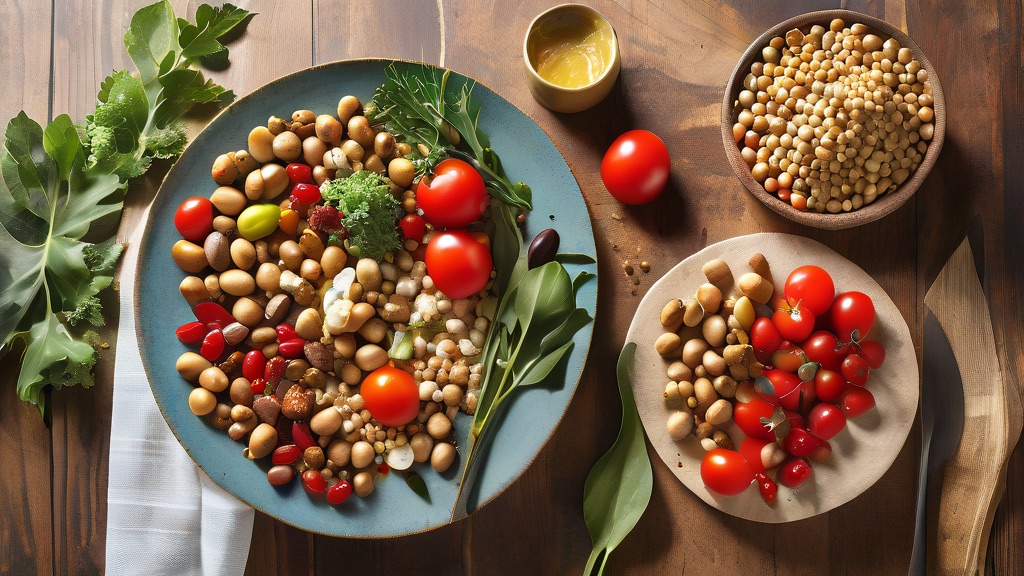
Around that core, the pattern emphasizes vegetables, fruit, legumes such as lentils and chickpeas, whole grains, nuts and seeds, and fish and seafood a few times a week. Poultry, eggs, and dairy like yogurt and cheese appear in moderate amounts, while red and processed meats, sugary drinks, sweets, and highly processed foods are limited. Meals are often shared, unhurried, and centered on whole ingredients rather than packaged products.
| Emphasize (eat more) | Limit (eat less) |
|---|---|
| Extra-virgin olive oil as your main fat | Butter, margarine, and refined seed oils |
| Vegetables and leafy greens at most meals | Sugary drinks, sodas, and fruit juice |
| Legumes: lentils, chickpeas, beans | Red meat (a few times a month at most) |
| Whole grains: oats, barley, whole-grain bread | Processed meats: bacon, sausage, deli meats |
| Fish and seafood, 2 to 3 times a week | White bread, pastries, and refined grains |
| Nuts and seeds (a small daily handful) | Packaged snacks, sweets, and desserts |
| Fruit as the usual dessert | Deep-fried and ultra-processed foods |
Why it may lower diabetes risk
Several plausible mechanisms line up behind the results. Vegetables, legumes, whole grains, and nuts are rich in fiber, which slows how quickly sugar enters the bloodstream and helps blunt the post-meal glucose spikes that strain the body’s insulin response over time. The healthy unsaturated fats in olive oil, nuts, and fish appear to support better insulin sensitivity and reduce inflammation compared with diets heavy in refined carbohydrates and processed meat.
The pattern also tends to be filling and lower in the ultra-processed foods most strongly tied to weight gain, which matters because losing even a modest amount of weight can substantially cut diabetes risk in high-risk people. To be honest about the science, though: much of this is about how the whole pattern behaves together. It is difficult to credit any single food, and no serving of olive oil or handful of walnuts prevents diabetes on its own.
The key nuance: it was diet plus activity plus support combined
This is the most important thing to keep in mind, and it is easy to lose in a headline. The impressive 31% figure did not come from the Mediterranean diet alone. Both groups in the trial ate a Mediterranean diet. The difference in outcomes came from the added ingredients: cutting roughly 600 calories a day, increasing physical activity, and getting sustained professional support for weight loss.
In other words, the study compared an active, calorie-aware lifestyle program against a healthy diet on its own. So the takeaway is not “eat Mediterranean food and diabetes takes care of itself.” It is that a Mediterranean pattern is an excellent foundation, and layering in movement, modest calorie reduction, and consistent support is what drove the strongest prevention effect.
Who benefits most
The people in this trial were specifically high-risk: older adults with overweight or obesity and metabolic syndrome, but not yet diabetic. That is exactly the group where prevention efforts have the most room to work, and it is where the results most directly apply. If you have prediabetes, a large waistline, elevated blood pressure, or a strong family history of type 2 diabetes, this is the population the evidence speaks to most loudly. Our guide on how to reverse prediabetes and protect your heart covers this overlap in more depth.
That said, a Mediterranean-style pattern is broadly healthy for most adults, and its cardiovascular benefits were established in a similar high-risk population in the earlier PREDIMED trial. Younger, metabolically healthy people should not expect a 31% drop in their own risk from these numbers, but the pattern is still a reasonable, sustainable way to eat.
How to start a Mediterranean-style pattern
You do not need Mediterranean-branded products or an expensive overhaul. The pattern is defined by ordinary, affordable staples. A few practical, budget-friendly steps:
- Switch your cooking fat. Use olive oil in place of butter for cooking, dressings, and drizzling. This one swap is central to the whole pattern.
- Build meals around plants. Aim for vegetables and a legume such as lentils, chickpeas, or beans at most meals. Dried and canned legumes are among the cheapest sources of protein and fiber.
- Choose whole grains. Trade white bread and white rice for oats, whole-grain bread, barley, or whole-wheat pasta.
- Eat fish a couple of times a week. Canned sardines, tuna, and mackerel are inexpensive and count.
- Keep a handful of nuts on hand as a snack instead of chips or sweets.
- Make fruit the default dessert and cut back on sugary drinks, which is one of the highest-impact changes for blood sugar.
- Add movement you will actually keep doing, since the trial’s benefit came from diet plus activity together. A daily walk is a legitimate starting point.
If you are also weighing how to approach calories, our comparison of intermittent fasting versus calorie counting looks at the trade-offs, and if takeaway meals are a regular part of your week, it is worth knowing how much sodium they can carry, which we cover in our piece on the salt content of takeaway food.
What to be realistic about
A 31% reduction in new cases is meaningful, but it is a reduction in risk across a group, not a personal guarantee. Some people in the intervention arm still developed diabetes. Diet is one powerful lever among several, alongside sleep, stress, medication where prescribed, and genetics that no eating pattern fully overrides.
It is also worth remembering that the trial ran for about six years with professional support built in, which is hard to replicate perfectly at home. And because the participants were older Spanish adults with specific risk factors, the exact numbers may not transfer identically to every person or population. The direction of the evidence is clear and encouraging; the precise size of the benefit will vary. This article is educational, not medical advice, and blood sugar and diabetes risk should be managed with a clinician.
When to see a doctor
Talk to a healthcare professional if you have risk factors for type 2 diabetes, such as overweight or obesity, a large waist measurement, high blood pressure, prediabetes, or a family history of the condition, and ask whether you should be screened. See a doctor promptly if you notice symptoms such as unusual thirst, frequent urination, unexplained weight loss, fatigue, or blurred vision. If you already take medication for blood sugar, cholesterol, or blood pressure, check in before making major dietary changes, since improvements in your numbers may mean your treatment needs adjusting. Diabetes and metabolic risk are best managed as a partnership between lifestyle changes and professional care. Understanding your cardiovascular risk markers can help too, as we explain in our guide to the ApoB versus LDL cholesterol test.
Frequently Asked Questions
Does the Mediterranean diet prevent diabetes?
It appears to substantially lower risk in high-risk people, but “prevent” is too strong a word. In the PREDIMED-Plus trial, an energy-reduced Mediterranean diet combined with more activity and weight-loss support cut new type 2 diabetes cases by about 31% versus a comparison group. That is meaningful risk reduction across a group, not a guarantee for any one person, and the effect came from the whole lifestyle package rather than diet alone.
What can you eat on a Mediterranean diet?
Plenty. The pattern centers on extra-virgin olive oil, vegetables, fruit, legumes such as lentils and chickpeas, whole grains, nuts, seeds, and fish and seafood a few times a week, with moderate amounts of poultry, eggs, yogurt, and cheese. It limits red and processed meats, sugary drinks, sweets, refined grains, and ultra-processed foods rather than banning entire categories.
Is the Mediterranean diet good for weight loss?
It can support weight loss, especially when calories are modestly reduced. The pattern is filling and low in the ultra-processed foods most tied to weight gain, and in PREDIMED-Plus the intervention group cut roughly 600 calories a day and moved more. On its own, without any calorie awareness, the Mediterranean diet is healthy but not specifically a weight-loss plan.
What foods should you avoid?
The pattern limits sugary drinks and sodas, sweets and pastries, refined grains like white bread, processed meats such as bacon and deli meats, frequent red meat, and deep-fried and ultra-processed packaged foods. These are limited rather than strictly forbidden. The goal is an overall pattern built on whole, minimally processed foods, so an occasional treat does not undo it.
Is olive oil really that important?
It is one of the defining features of the pattern. Extra-virgin olive oil is the main fat source, used in place of butter and refined oils, and it supplies unsaturated fats and plant compounds linked to better heart and metabolic health. In the original PREDIMED trial, olive oil was one of the supplements tied to fewer cardiovascular events. That said, olive oil works as part of the whole pattern, not as a standalone cure.
How quickly does the Mediterranean diet work?
The diabetes-prevention benefit in PREDIMED-Plus was measured over about six years, so the strongest evidence is about long-term risk. Some markers, such as post-meal blood sugar, energy, and digestion, can improve within weeks of eating more fiber and fewer refined carbohydrates. But preventing a chronic disease is a long game, and consistency over months and years is what matters most.
Is the Mediterranean diet expensive?
It does not have to be. The pattern is built on some of the cheapest staples available: dried or canned legumes, whole grains like oats and barley, seasonal vegetables, and canned fish such as sardines and tuna. Olive oil and nuts cost more, but a little goes a long way. You do not need specialty or branded “Mediterranean” products to follow the pattern.
The Bottom Line
A major randomized trial has strengthened the case that how you eat can meaningfully shift your odds of developing type 2 diabetes. In high-risk older adults, an energy-reduced Mediterranean diet paired with more physical activity and weight-loss support cut new diabetes cases by roughly 31%. The honest reading is that the pattern is a powerful foundation, but the added movement, modest calorie reduction, and ongoing support were part of what made the difference. If you are at elevated risk, building meals around olive oil, vegetables, legumes, fish, nuts, and whole grains, and pairing that with regular activity, is one of the most evidence-backed and doable steps you can take. It is risk reduction, not a cure, and it works best alongside professional care.
Sources
- Salas-Salvadó J, et al. Comparison of an Energy-Reduced Mediterranean Diet and Physical Activity Versus an Ad Libitum Mediterranean Diet in the Prevention of Type 2 Diabetes (PREDIMED-Plus). Annals of Internal Medicine. 2025. doi:10.7326/ANNALS-25-00388. https://doi.org/10.7326/ANNALS-25-00388
- Harvard T.H. Chan School of Public Health. Mediterranean diet combined with calorie reduction and exercise may reduce risk of type 2 diabetes by nearly one-third. 2025. https://hsph.harvard.edu/news/mediterranean-diet-combined-with-calorie-reduction-and-exercise-may-reduce-risk-of-type-2-diabetes-by-nearly-one-third/
- Estruch R, Ros E, Salas-Salvadó J, et al. Primary Prevention of Cardiovascular Disease with a Mediterranean Diet Supplemented with Extra-Virgin Olive Oil or Nuts (PREDIMED). New England Journal of Medicine. 2018;378(25):e34. PMID 29897866. https://pubmed.ncbi.nlm.nih.gov/29897866/
- American Diabetes Association. Facilitating Positive Health Behaviors and Well-being to Improve Health Outcomes: Standards of Care in Diabetes. Diabetes Care. 2025;48(Supplement_1):S86–S127. https://diabetesjournals.org/care/issue/48/Supplement_1