Do Probiotics Actually Work? An Honest Look at the Evidence
Probiotics are everywhere, in pills, yogurts, and powders, promising better digestion, immunity, mood, and “gut health.” It is a multi-billion-dollar market built on a genuinely important idea: the trillions of microbes in your gut affect your health. But the gap between that idea and what a specific product can actually do is enormous. Here is an honest, evidence-based look at where probiotics work, where they do not, and how to tell the difference.
What Probiotics Actually Are
Probiotics are live microorganisms that, in adequate amounts, may confer a health benefit. The crucial and constantly ignored detail is that “probiotic” is not one thing. Effects are strain-specific: a particular strain, such as Lactobacillus rhamnosus GG or Saccharomyces boulardii, may help with a particular condition at a particular dose, while a different strain does nothing for it. Lumping them together as “probiotics” is like lumping all drugs together as “medicine.”
Where the Evidence Is Strong: Antibiotic-Associated Diarrhea
The clearest win is preventing the diarrhea that often follows a course of antibiotics. A large 2012 systematic review and meta-analysis by Hempel and colleagues in JAMA, pooling dozens of trials, found that taking probiotics alongside antibiotics reduced the risk of antibiotic-associated diarrhea by about 42% (relative risk 0.58). Specific strains, particularly Saccharomyces boulardii and certain lactobacilli, have the best support, and this is one of the few uses doctors routinely endorse.
Where the Evidence Is Moderate: IBS
Irritable bowel syndrome is the next-best case. Systematic reviews find that probiotics, as a group, modestly improve overall IBS symptoms, abdominal pain, and bloating compared with placebo, with a number-needed-to-treat around four in some analyses. The honest caveat is that the trials are highly variable and the effective strains differ between studies, so finding one that works for you can involve trial and error. Still, for a frustrating condition with few easy options, a measured trial of a well-studied strain is reasonable.
Where the Evidence Is Weak: General ‘Gut Health’
Here is what the marketing buries. For a generally healthy person with no specific condition, there is little evidence that a daily probiotic improves digestion, immunity, or wellbeing. Some studies even show that off-the-shelf probiotics do not reliably colonize the gut and may temporarily delay the recovery of a person’s native microbiome after antibiotics. The broad “everyone should take a probiotic for gut health” message is not supported by strong evidence.
Probiotics, Prebiotics, and Food
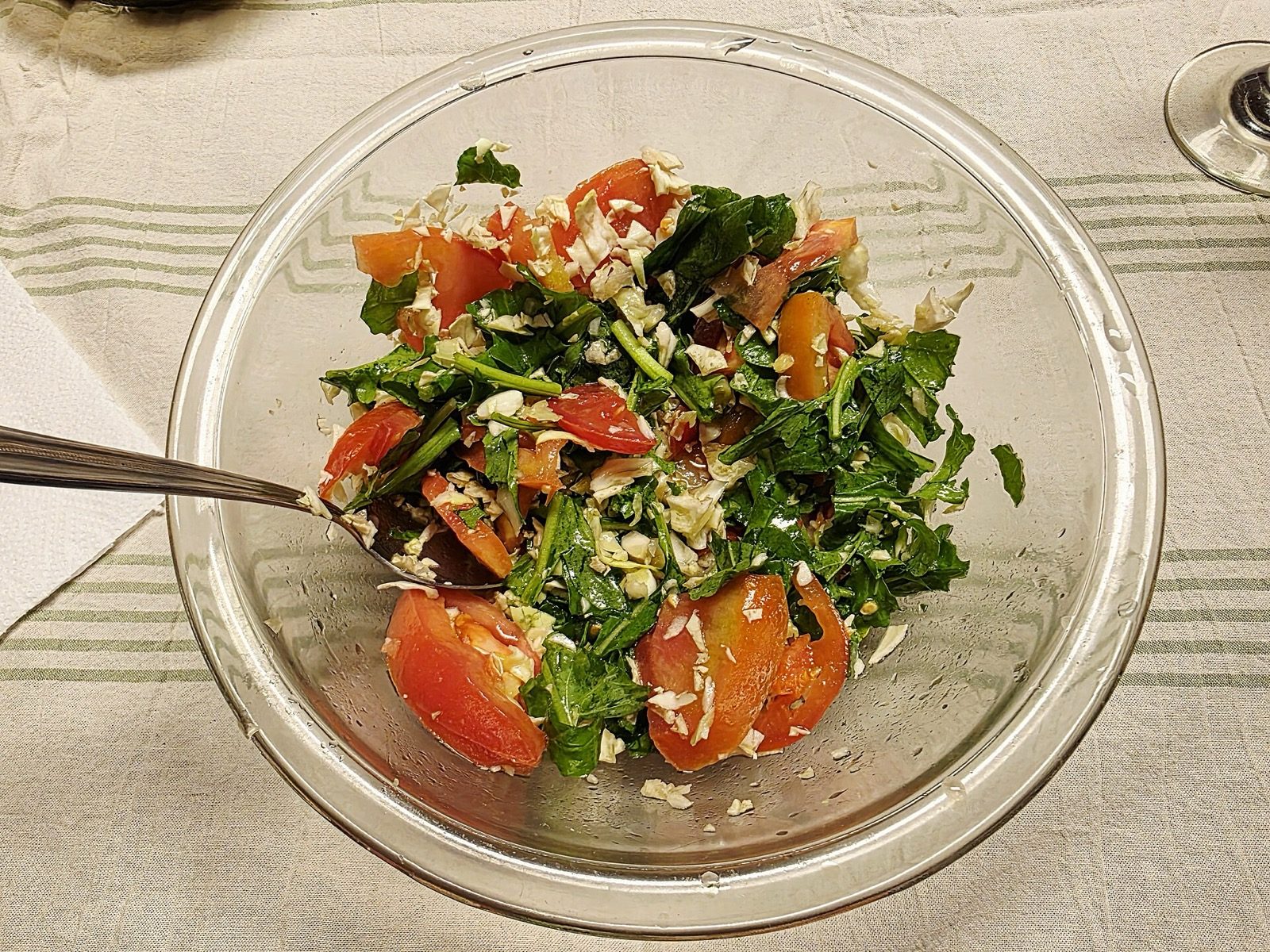
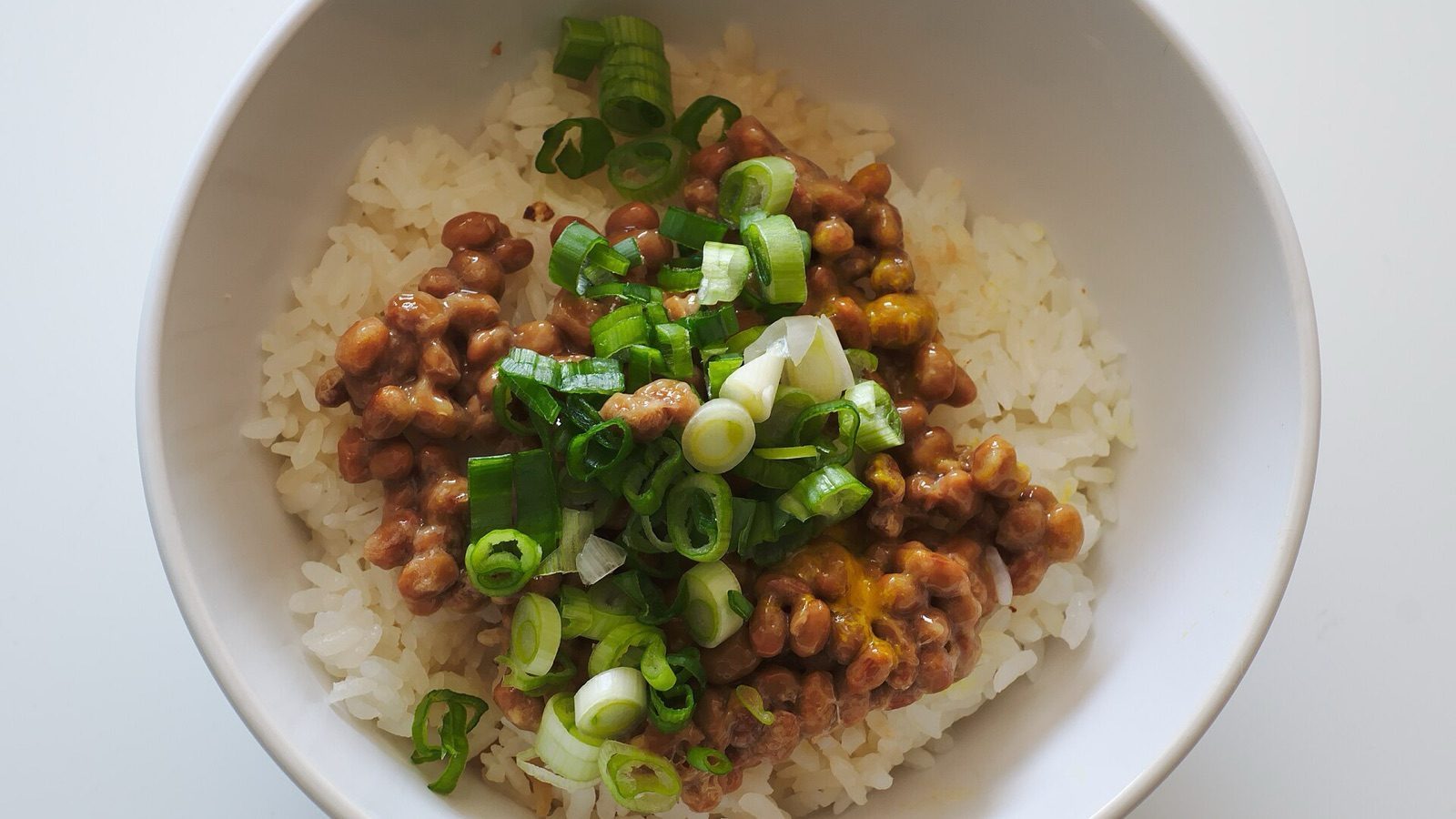
Probiotics add microbes; prebiotics are the fibers that feed the microbes you already have, and for most people, diet is the more powerful and durable lever. A varied, high-fiber diet rich in vegetables, legumes, whole grains, nuts, and fermented foods like yogurt, kefir, sauerkraut, and kimchi nurtures a diverse microbiome far more reliably than any single-strain capsule. This is the same theme behind the research on lion’s mane and gut health: feeding and protecting your existing microbes often beats trying to install new ones.
Who Should Consider a Probiotic
- Anyone taking antibiotics, where a well-studied strain can prevent diarrhea, ideally taken a few hours apart from the antibiotic.
- People with IBS, as a monitored trial of a specific, evidence-backed strain.
- Specific situations a clinician recommends, such as certain infections or pouchitis.
For a healthy person simply wanting “better gut health,” the money is usually better spent on more fiber and fermented foods.
How to Choose One That Might Work
If you are targeting a specific problem, match the product to the evidence. Look for the exact strain (the letters and numbers after the species name), a dose in the billions of CFU used in trials for your condition, and ideally evidence for that strain in that condition. Be skeptical of products boasting huge numbers of many random strains, which is marketing, not science, and check storage requirements, since some strains need refrigeration to stay alive.
Safety and Common Mistakes
Probiotics are safe for most healthy people, with occasional gas or bloating early on. They are not risk-free for everyone: people who are seriously ill, immunocompromised, or critically hospitalized should only use them with medical advice, as rare serious infections have occurred. The most common mistakes are buying a generic high-count product expecting it to fix an unrelated symptom, quitting after a few days, and neglecting the dietary fiber that actually sustains a healthy microbiome.
The Bottom Line
Probiotics are neither a scam nor a cure-all. They have genuine, evidence-backed uses, preventing antibiotic-associated diarrhea and easing some IBS symptoms, where the right strain at the right dose can clearly help. For everything else, the honest answer is that a varied, fiber-rich, fermented-food diet does more for your gut than a generic capsule. Choose a probiotic the way you would choose a medication: for a specific purpose, matched to the evidence, not as a daily insurance policy the science does not support.
Probiotics for Immunity, Mood, and Everything Else
Beyond the gut, probiotics are marketed for immunity, mood, skin, and weight, riding the genuine excitement around the gut-brain and gut-immune connections. The science here is early and mostly preliminary. A handful of small trials hint that certain strains might modestly influence mood or markers of immune function, and the field of “psychobiotics” is active and intriguing. But none of this has matured into reliable, strain-specific recommendations a consumer can act on, and the leap from a promising mechanism to a product that improves your mood or immunity is exactly the kind of overreach that defines supplement marketing. Treat these claims as hypotheses being tested, not benefits you are buying.
Why the Same Product Helps One Person and Not Another
One of the most honest things that can be said about probiotics is that responses are highly individual. Your existing microbiome, diet, genetics, and the specific condition you have all influence whether a given strain does anything for you. This is part of why trial results vary so much and why two people can take the same well-reviewed product and have completely different experiences. It is also why a structured, time-limited trial, picking an evidence-backed strain for a specific symptom, taking it consistently for four to eight weeks, and honestly assessing whether anything changed, beats indefinitely swallowing a generic capsule out of habit. If a fair trial does nothing, stopping is the rational move, not switching to a flashier label.
Finally, remember that antibiotics, illness, and a low-fiber diet do more to disrupt your gut than a daily capsule can repair. Protecting your microbiome, by using antibiotics only when truly needed, eating plenty of fiber, and including fermented foods, is a more powerful and durable strategy than trying to rebuild it one supplement at a time.
In short, be a discerning buyer. The probiotics industry has earned both its credibility, through real wins like preventing antibiotic-associated diarrhea, and its skepticism, through sweeping claims the evidence cannot support. Knowing which camp a given use falls into lets you spend on the handful of things probiotics genuinely do, and confidently skip the many things they do not.
Frequently Asked Questions
Do probiotics really work?
For specific uses, yes: they reduce antibiotic-associated diarrhea and modestly ease some IBS symptoms. For general “gut health” in a healthy person, the evidence is weak. Benefits depend heavily on the exact strain and dose.
Should I take a probiotic with antibiotics?
It can help prevent the diarrhea antibiotics often cause; well-studied strains like Saccharomyces boulardii have the best evidence. Take it a few hours apart from the antibiotic dose.
Are probiotics worth it for a healthy person?
Usually not. Without a specific condition, there is little proof a daily probiotic improves health, and your money is better spent on fiber and fermented foods.
How do I choose a good probiotic?
Match the specific strain and dose (in CFU) to the condition you are targeting, ideally one with trial evidence for that use. Ignore products that just brag about many strains or huge counts.
Are fermented foods as good as probiotic pills?
For general gut health, fermented foods plus a high-fiber diet are arguably better, providing diverse microbes and the fibers that feed your existing ones, which capsules do not.
Are probiotics safe?
Yes for most healthy people, aside from temporary gas or bloating. People who are immunocompromised or seriously ill should only use them under medical supervision.
Sources
- Hempel S, et al. “Probiotics for the prevention and treatment of antibiotic-associated diarrhea: a systematic review and meta-analysis.” JAMA, 2012. PMID 22570464
- Ford AC, et al. “Efficacy of prebiotics, probiotics, and synbiotics in irritable bowel syndrome: systematic review and meta-analysis.” PMID 19091823
- “Strain-specific and outcome-specific efficacy of probiotics for the treatment of irritable bowel syndrome: a systematic review and meta-analysis.” 2021. PMID 34712929