Garlic and Honey Benefits: What the Evidence Actually Shows
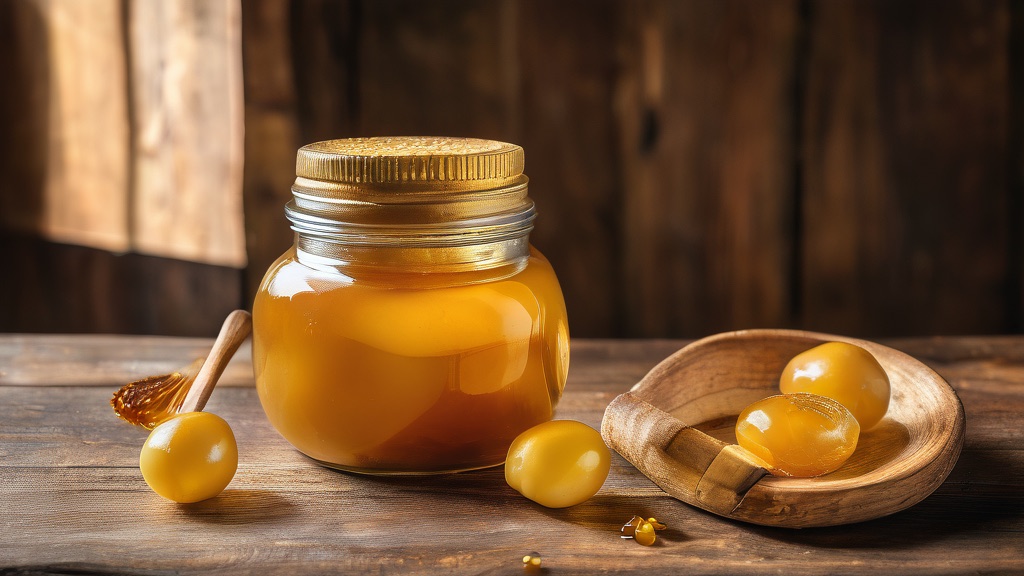
Garlic and honey is one of the oldest home remedies around — a spoonful of raw honey infused with crushed garlic, taken for everything from colds to heart health to, according to some corners of the internet, a booming libido. It’s cheap, it’s natural, and unlike many folk remedies, parts of it are genuinely backed by science. But not all the claims hold up. Here’s an honest, evidence-based look at what garlic and honey actually do — separately and together.
What Garlic Actually Does
Garlic is the more medicinally interesting half of this duo. Its active compounds — chiefly allicin, formed when raw garlic is crushed — have measurable cardiovascular effects:
- Lowers blood pressure. Meta-analyses of randomized trials consistently show garlic supplements reduce blood pressure in people with hypertension — on the order of a few mmHg, comparable to some of the effect seen with standard first-line lifestyle changes. Aged garlic extract reduced systolic blood pressure by roughly 2.5 mmHg across pooled trials.
- Improves cholesterol. Garlic modestly lowers total and LDL (“bad”) cholesterol when it’s mildly elevated.
- Supports immunity. Some trials suggest garlic supplements reduce the frequency or duration of the common cold, though the evidence is less robust.
These effects are real but modest — garlic is a helpful addition to a heart-healthy lifestyle, not a replacement for prescribed blood-pressure or cholesterol medicine. If cholesterol is your focus, our guide to citrus bergamot for cholesterol covers another evidence-based option.
What Honey Actually Does
Honey’s best-supported benefit is soothing coughs and sore throats. A Cochrane review (Oduwole et al., 2018) of randomized trials in children found that honey probably reduces cough frequency and severity better than no treatment or placebo, and works about as well as the common over-the-counter suppressant dextromethorphan. That’s why health authorities now recommend honey as a first-line self-care step for acute cough. Honey also has genuine antimicrobial and antioxidant properties, which is why medical-grade honey is used in some wound dressings.
The realistic framing: honey is an effective, pleasant symptom-soother for a cold or sore throat — not an antibiotic or a cure for infection.
Garlic and Honey Together: What’s the Combined Benefit?
Put them together and you get a remedy that’s genuinely useful for what most people use it for: easing cold and sore-throat symptoms. The honey coats and soothes the throat and suppresses cough, while garlic contributes antimicrobial compounds and its longer-term cardiovascular perks. The honey also makes raw garlic far more palatable. As a daily wellness habit or a comfort measure during a cold, it’s a reasonable, low-risk choice.
What it is not: a proven treatment for any disease, an immune “super-booster,” or the aphrodisiac some claim. Garlic’s blood-flow effects have led to “natural Viagra” hype, but there’s no solid evidence garlic and honey improves sexual function. Take the remedy for what it genuinely offers, and skip the miracle claims.
| Claim | Evidence |
|---|---|
| Soothes cough & sore throat (honey) | Strong — Cochrane-supported |
| Lowers blood pressure (garlic) | Good — consistent meta-analyses, modest effect |
| Improves cholesterol (garlic) | Moderate |
| Reduces cold frequency (garlic) | Limited |
| Cures infection / boosts libido | Not supported |
How to Use Garlic and Honey
- Crush and rest the garlic. Chop or crush raw garlic and let it sit about 10 minutes before use — this lets allicin form. Heat destroys it, so raw is best for the active compounds.
- Mix with raw honey. Stir crushed garlic into a spoonful of honey; a common approach is one small clove with a teaspoon of honey once daily.
- For a sore throat, take a spoonful as needed, or stir into warm (not boiling) water or tea.
- Be consistent if you’re after the cardiovascular benefits — those come from regular intake over weeks, not a one-off dose.
Where to buy: honey and garlic
Raw honey retains more of its beneficial compounds; aged garlic extract is the form used in most blood-pressure studies if you prefer a supplement.
- Nate’s 100% Pure, Raw & Unfiltered Honey – 32oz. Squeeze Bottle (Amazon)
- Resilia Odorless Aged Garlic Extract Softgels (60 Count) (Amazon)
As an Amazon Associate we earn from qualifying purchases. Never give honey to infants under 12 months.
Safety and Who Should Be Careful
- Never give honey to babies under 1 year — raw or pasteurized. It can cause infant botulism, a serious illness, because an immature gut can’t defend against Clostridium botulinum spores.
- Blood thinners and surgery. Garlic can have a mild blood-thinning effect; if you take anticoagulants or are heading into surgery, check with your doctor.
- Blood pressure medication. Because garlic can lower blood pressure, combining it with medication could add up — monitor and discuss with your clinician.
- Sugar content. Honey is still sugar; people with diabetes should count it, and it’s not tooth-friendly if sipped throughout the day.
- Digestive upset or reflux from raw garlic in sensitive people.
Frequently Asked Questions
What are the benefits of garlic and honey?
The combination’s best-supported benefit is soothing cough and sore-throat symptoms, thanks to honey, which is Cochrane-supported for cough. Garlic adds modest but real cardiovascular benefits — lowering blood pressure and cholesterol — plus antimicrobial compounds. Together they make a safe, palatable home remedy for colds and general wellness. They are not a cure for disease or a replacement for medication, and claims about boosting libido aren’t supported.
Does garlic and honey really work for colds?
For symptom relief, yes — largely because of the honey. Randomized trials show honey reduces cough frequency and severity about as well as standard over-the-counter cough medicine, and health authorities recommend it as a self-care step. Garlic may modestly help reduce cold frequency, though that evidence is weaker. The remedy eases symptoms and is comforting, but it won’t cure an infection or shorten it dramatically.
Can garlic and honey lower blood pressure?
Garlic can, modestly. Meta-analyses of randomized trials consistently show garlic supplements lower blood pressure in people with hypertension, by a few mmHg — with aged garlic extract reducing systolic pressure by around 2.5 mmHg in pooled data. The honey doesn’t contribute to this effect. It’s a helpful addition to a heart-healthy lifestyle, not a substitute for prescribed blood-pressure medication. Tell your doctor if you take both.
How much garlic and honey should I take daily?
A common approach is one small crushed raw garlic clove mixed with a teaspoon of raw honey, once daily. Crush the garlic and let it rest about 10 minutes first so allicin can form, and use it raw since heat destroys the active compounds. For cardiovascular benefits, consistency over weeks matters more than a large one-off dose. There’s no need to overdo it — more garlic mainly means more digestive upset.
Is it safe to take garlic and honey every day?
For most healthy adults, yes. The main cautions: never give honey to a baby under 12 months (botulism risk); be careful if you take blood thinners or blood-pressure medication, since garlic can add to their effects; and remember honey is sugar, which matters for diabetes and dental health. If you’re on medication, pregnant, or have a medical condition, check with your clinician before making it a daily habit.
Does garlic and honey boost testosterone or libido?
There’s no solid evidence for this. The claim likely stems from garlic’s mild effects on blood flow, but no good human studies show garlic and honey meaningfully improves sexual function, testosterone, or libido. It’s a popular internet claim, not a proven benefit. Take garlic and honey for its genuine perks — soothing colds and supporting heart health — rather than as an aphrodisiac.
Should the garlic be raw or cooked?
Raw. The beneficial compound allicin forms when raw garlic is crushed or chopped, and heat destroys it — so cooking garlic reduces its medicinal effect. Crush or chop the garlic, let it sit for about 10 minutes to let allicin develop, then mix it with honey. If raw garlic is too harsh, the honey helps, and you can take it with a little warm (not boiling) water.
The Bottom Line
Garlic and honey is that rare home remedy with genuine science behind parts of it. Honey is a proven soother for coughs and sore throats, and garlic modestly lowers blood pressure and cholesterol while adding antimicrobial compounds — so as a comfort measure for colds and a supporting habit for heart health, the combination is safe, cheap, and worthwhile. Just keep expectations realistic: it’s not a cure, not a medication replacement, and not an aphrodisiac. Use raw crushed garlic with raw honey, be consistent, and never give honey to a child under one.
Sources
- Oduwole O, Udoh EE, Oyo-Ita A, Meremikwu MM. Honey for acute cough in children. Cochrane Database of Systematic Reviews. 2018;4:CD007094. Link
- Ried K. Garlic lowers blood pressure in hypertensive subjects, improves arterial stiffness and gut microbiota: A review and meta-analysis. Experimental and Therapeutic Medicine. 2019;19(2):1472-1478. Link
- Effects of aged garlic extract on blood pressure in hypertensive patients: A systematic review and meta-analysis of randomized controlled trials. Complementary Therapies in Medicine. 2024. Link
This article is for informational purposes only and does not constitute medical advice. Do not stop or replace prescribed medication with home remedies, and never give honey to a baby under 12 months.