Vitamins for Alcohol Withdrawal: Thiamine Is the One Guidelines Name

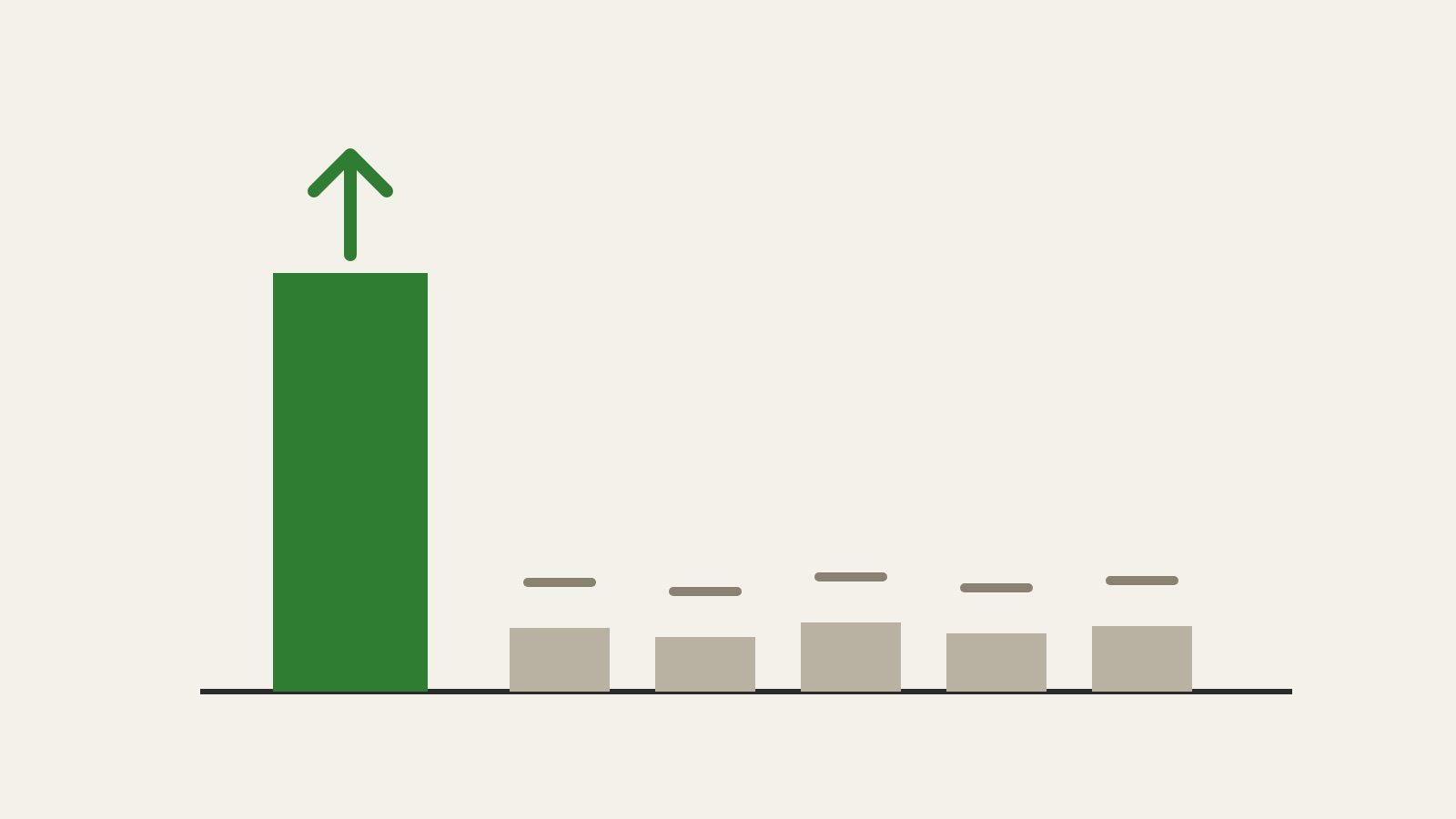
Quick Answer: One vitamin stands out: thiamine, vitamin B1. NIH says up to 80% of people with chronic alcoholism develop thiamine deficiency, and severe deficiency causes Wernicke-Korsakoff syndrome, a brain disorder that can cause confusion, loss of coordination and permanent memory loss. The UK’s NICE guideline tells clinicians to offer thiamine to harmful or dependent drinkers who are in acute withdrawal, malnourished, or about to go through medically assisted withdrawal. The twist is that the trial evidence is thin: a Cochrane review found only two randomized trials and said they cannot guide the dose or route. For magnesium, another Cochrane review of four trials found insufficient evidence either way. Thiamine is recommended because the harm it prevents is severe and it is cheap and safe, not because trials proved it. Alcohol withdrawal itself can become life-threatening, so it should be managed with a doctor, not with supplements alone.
People looking up vitamins for alcohol withdrawal are usually trying to do something sensible: stop or cut down, and give the body what drinking has taken away. The honest answer is shorter than most lists suggest. One vitamin matters a great deal, the rest matter less, and none of them makes withdrawal safe on its own.
First: withdrawal can be dangerous
MedlinePlus describes alcohol withdrawal as a condition that can range from mild discomfort to a serious, life-threatening one. Symptoms usually begin within 8 hours of the last drink, can start days later, and tend to peak at 24 to 72 hours. The severe form, delirium tremens, can cause sudden severe confusion, fever, hallucinations and seizures, and death is possible. MedlinePlus advises contacting a provider right away if you think you might be in withdrawal, especially after regular heavy drinking, and going to the emergency room or calling 911 for seizures, fever, severe confusion, hallucinations or an irregular heartbeat.
NICE adds a point that surprises many people: for alcohol-dependent people who are not admitted to hospital, clinicians should advise against a sudden reduction in drinking, because a sudden reduction can cause severe withdrawal in dependent drinkers. Stopping safely is usually planned, not abrupt.
In the US, the SAMHSA National Helpline, 1-800-662-4357, offers free, confidential help finding treatment.
Thiamine (vitamin B1): the one that matters
NIH’s Office of Dietary Supplements calls chronic alcohol use disorder the most common cause of thiamine deficiency in highly industrialized countries. Up to 80% of people with chronic alcoholism develop it, because alcohol reduces thiamine absorption from the gut, thiamine storage in the liver, and the body’s ability to activate it. Wernicke-Korsakoff syndrome, the severe result, is about 8 to 10 times more common in people with chronic alcoholism than in the general population.
MedlinePlus lists the warning signs of Wernicke encephalopathy:
- Confusion and loss of mental activity, which can progress to coma and death
- Loss of muscle coordination (ataxia), which can cause leg tremors
- Vision changes: abnormal back-and-forth eye movements, double vision, drooping eyelids
- Alcohol withdrawal symptoms
Korsakoff syndrome, which can follow, brings an inability to form new memories, severe memory loss, making up stories and hallucinations. NIH notes that at this chronic stage, thiamine injections do not lead to recovery in about a quarter of patients. That is why the emphasis is on prevention.
What the guideline says
The National Institute for Health and Care Excellence (NICE) guideline on alcohol-use disorders tells clinicians to offer oral thiamine to harmful or dependent drinkers if they are malnourished or at risk of it, if they have decompensated liver disease, if they are in acute withdrawal, or before and during a planned medically assisted withdrawal. For drinkers who are malnourished or have decompensated liver disease and are attending an emergency department or admitted to hospital, it recommends thiamine by injection first, followed by oral thiamine. For suspected Wernicke’s encephalopathy, it recommends injected thiamine for at least five days.
What the trials say
Here is the part most articles leave out. A Cochrane review by Day and colleagues searched for randomized trials of thiamine to prevent or treat Wernicke-Korsakoff syndrome in people who drink heavily. It found two, and only one had usable data: 107 people given one of five injected doses for two days. The authors concluded that trial evidence is insufficient to guide the dose, frequency, route or duration of thiamine treatment.
That is not a reason to skip thiamine. It is a reason the doses you see vary so much, and a reason to let a clinician choose. The guideline recommends thiamine because the condition it prevents is devastating and can be permanent, while NIH notes there are no reports of adverse effects from high thiamine intakes from food or supplements, and no upper limit has been set.
Magnesium: common deficiency, unproven treatment
NIH lists chronic alcoholism among the causes of magnesium deficiency. But the Cochrane review of magnesium for alcohol withdrawal, by Sarai and colleagues, found four trials with 317 people, each at high risk of bias in at least one area. Only one measured seizures, delirium tremens or standard withdrawal scores. The one outcome that could be pooled, hand grip strength in three trials, showed no benefit. The conclusion: insufficient evidence to say whether magnesium helps or harms in alcohol withdrawal.
So magnesium is worth checking in someone who drinks heavily, because low levels are common and can be corrected. It is not a withdrawal treatment. And magnesium supplements should not be taken without advice by anyone with kidney problems. Our guide to how much magnesium you need per day covers normal doses.
Other vitamins
NICE treats malnourishment as one of the main risk factors in heavy drinkers, and a doctor may check folate, B12 and other nutrients alongside thiamine. We have not found trials showing that any of these, on its own, eases withdrawal. They correct shortfalls; they do not treat withdrawal. For B12 specifically, see who needs B12 injections.
What to do in practice
- Talk to a doctor before stopping if you drink heavily every day. NICE advises dependent drinkers not to cut down suddenly without support, because withdrawal can be severe.
- Ask about thiamine specifically. It is the vitamin the guideline names, and the clinician can decide between tablets and injections.
- Know the warning signs: confusion, unsteady walking, abnormal eye movements, seizures, fever or hallucinations need urgent care.
- Treat magnesium and other vitamins as nutrition repair, checked and corrected with your doctor, not as a way to make withdrawal safe.
We do not link to any product on this page. The vitamin that matters here is best dosed by the clinician managing the withdrawal.
Frequently Asked Questions
What vitamins help with alcohol withdrawal?
Thiamine (vitamin B1) is the one clinical guidelines name. NICE recommends offering oral thiamine to harmful or dependent drinkers in acute withdrawal, and injected thiamine in higher-risk situations. Magnesium and other vitamins correct common deficiencies, but Cochrane found insufficient evidence that magnesium helps withdrawal itself.
Why is thiamine given to people who drink heavily?
Because up to 80% of people with chronic alcoholism develop thiamine deficiency, according to NIH, and severe deficiency causes Wernicke-Korsakoff syndrome. Its signs include confusion, loss of coordination and abnormal eye movements, and the memory damage of Korsakoff syndrome can be permanent.
How much thiamine should I take for alcohol withdrawal?
That should be decided by the clinician managing your withdrawal. A Cochrane review found the trial evidence insufficient to set the dose, frequency, route or duration, and NICE recommends doses toward the upper end of the British national formulary range, given by mouth or by injection depending on risk.
Does magnesium help alcohol withdrawal?
The evidence does not show it. A Cochrane review of four trials with 317 people found insufficient evidence to say whether magnesium is beneficial or harmful for alcohol withdrawal, and the one pooled outcome showed no benefit. Magnesium deficiency is common in heavy drinkers and can be corrected, but that is separate from treating withdrawal.
Can vitamins make it safe to quit drinking at home?
No. Vitamins correct deficiencies; they do not prevent seizures or delirium tremens. MedlinePlus advises contacting a provider right away if you might be in alcohol withdrawal, especially after regular heavy drinking, and seeking emergency care for seizures, fever, severe confusion or hallucinations.
When do alcohol withdrawal symptoms start?
Usually within 8 hours of the last drink, though they can begin days later. They tend to peak between 24 and 72 hours and can last for weeks, according to MedlinePlus.
The Bottom Line
If you drink heavily and are stopping, the vitamin to ask about is thiamine. Guidelines recommend it because the brain damage it prevents can be permanent, even though trials have never settled the best dose. Magnesium and other vitamins are worth checking but have no proven role in withdrawal itself. And the withdrawal is the bigger risk: plan it with a doctor.
Sources
- NIH Office of Dietary Supplements. Thiamin Fact Sheet for Health Professionals: chronic alcohol use disorder the most common cause of thiamin deficiency in industrialized countries; up to 80% of people with chronic alcoholism develop deficiency; Wernicke-Korsakoff syndrome about 8-10 times more common; at the chronic stage parenteral thiamin does not lead to recovery in about one-quarter of patients; no UL set because of a lack of reports of adverse effects from high intakes. ods.od.nih.gov. Checked 25 September 2026.
- National Institute for Health and Care Excellence. Alcohol-use disorders: diagnosis and management of physical complications (CG100), recommendations 1.2.1.1 to 1.2.1.4 on thiamine, and the advice to avoid a sudden reduction in alcohol intake in dependent drinkers not admitted to hospital. nice.org.uk. Checked 25 September 2026.
- Day E, Bentham PW, Callaghan R, et al. Thiamine for prevention and treatment of Wernicke-Korsakoff Syndrome in people who abuse alcohol. Cochrane Database of Systematic Reviews, 2013;(7):CD004033. PMID 23818100. Two trials, one analyzable (n = 107); evidence insufficient to guide dose, frequency, route or duration. Checked 25 September 2026.
- Sarai M, Tejani AM, Chan AH, et al. Magnesium for alcohol withdrawal. Cochrane Database of Systematic Reviews, 2013;(6):CD008358. PMID 23740536. Four trials, 317 people; no significant change in grip strength (SMD 0.04); insufficient evidence of benefit or harm. Checked 25 September 2026.
- MedlinePlus. Alcohol withdrawal: onset within 8 hours, peak at 24-72 hours, delirium tremens, when to seek emergency care. medlineplus.gov. Checked 25 September 2026.
- MedlinePlus. Wernicke-Korsakoff syndrome: symptoms of Wernicke encephalopathy and Korsakoff syndrome. medlineplus.gov. Checked 25 September 2026.
- SAMHSA National Helpline, 1-800-662-HELP (4357). samhsa.gov. Checked 25 September 2026.