Bad Breath After Brushing: Why It Happens and How to Fix It
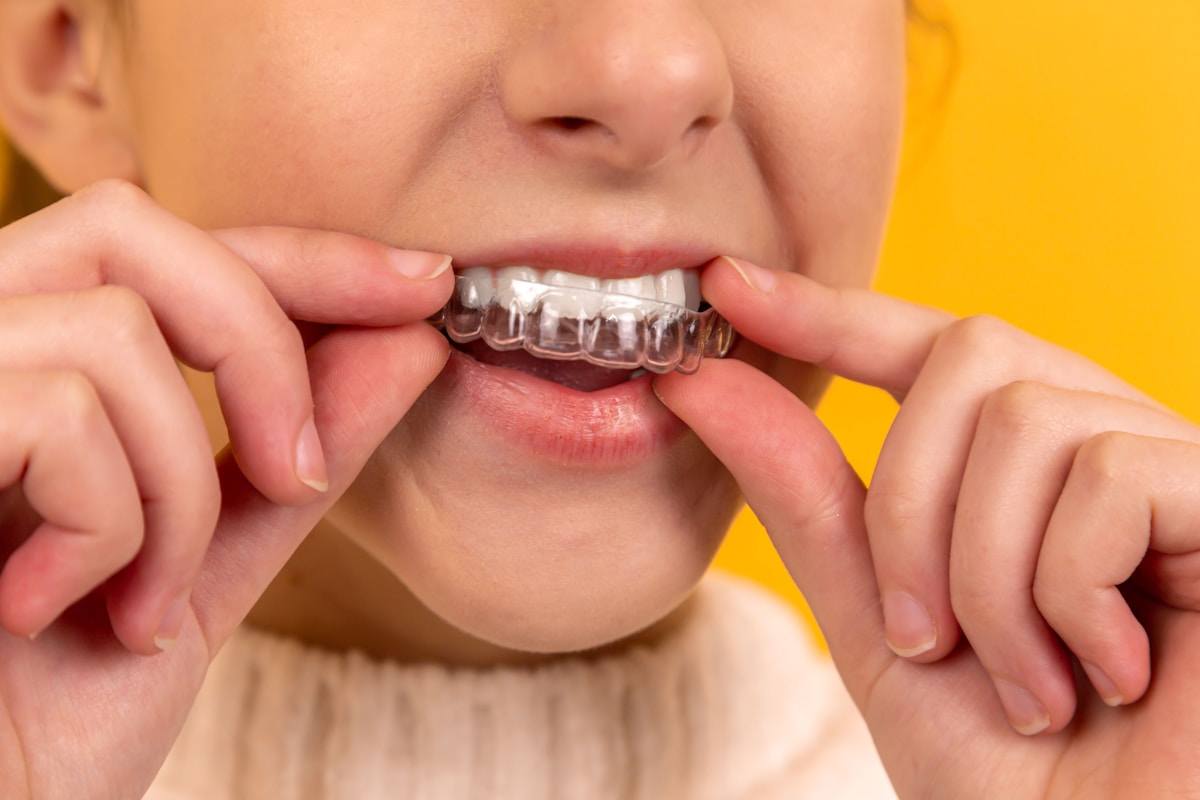
You brush twice a day and your breath still smells. It’s a frustrating and surprisingly common problem — and the answer is almost never “brush more.” Bad breath that persists after brushing is caused by something brushing alone doesn’t reach: the tongue’s bacterial coating, dry mouth, gum disease, or an internal source the toothbrush can’t address.
Here’s what the research says about the real causes of persistent bad breath after brushing, and what actually fixes each one.
Why Brushing Alone Doesn’t Always Fix Bad Breath
Most people think of bad breath as a tooth problem — and brush accordingly. But roughly 80–90% of bad breath originates inside the mouth rather than from a systemic cause — and within the mouth the leading single source is not the teeth: it’s the tongue, specifically the posterior (back) third, where an anaerobic bacterial community produces volatile sulfur compounds (VSCs) — hydrogen sulfide, methyl mercaptan, and dimethyl sulfide — which are responsible for the characteristic unpleasant odor.
A toothbrush cleans the teeth surfaces. It does not meaningfully disturb the biofilm on the back of the tongue. This is why brushing produces temporary freshness — it cleans the teeth and stimulates saliva — but doesn’t address the primary source of odor.
Common Causes of Bad Breath After Brushing
1. Tongue Bacteria (The Primary Cause)
The dorsal surface of the tongue — particularly the posterior third — has a highly irregular surface (papillae, crypts, fissures) that harbors an anaerobic bacterial community. These bacteria thrive in the low-oxygen environment created by the tongue’s surface debris and produce VSCs as metabolic byproducts when breaking down proteins from food particles, dead cells, and post-nasal drip.
Research on the tongue-coating microbiome has found that the specific composition of VSC-producing bacteria on the tongue — more than the sheer amount of coating — is associated with halitosis (Ye et al., Journal of Breath Research, 2020). Mechanical tongue cleaning is among the most effective single interventions for reducing VSC levels, though the supporting evidence is modest (Cochrane review, Outhouse et al., 2006).
The fix: A dedicated tongue scraper — not a toothbrush. A Cochrane systematic review (Outhouse et al., 2006) found tongue scrapers reduce volatile sulfur compounds modestly more than toothbrush tongue cleaning, though the evidence is limited and the effect is short-lived. Use the scraper once daily, starting from the back of the tongue and moving forward with 5–7 strokes, rinsing between strokes.
2. Dry Mouth (Xerostomia)
Saliva is the mouth’s natural defense against bad breath: it mechanically washes away food debris and dead cells, contains antibacterial enzymes (lysozyme, lactoferrin, peroxidase), neutralizes oral acids, and maintains a pH that limits the growth of VSC-producing bacteria. When saliva flow decreases, all these functions are impaired.
Dry mouth causes include: medications (the most common cause — over 400 medications list dry mouth as a side effect, including antihistamines, antidepressants, blood pressure medications, and diuretics); mouth breathing during sleep; dehydration; caffeine and alcohol intake; radiation therapy to the head and neck; and autoimmune conditions like Sjögren’s syndrome.
If your breath is worst in the morning and improves as the day progresses, nighttime dry mouth from mouth breathing is likely a contributing factor.
The fix: Increase water intake throughout the day; use a humidifier at night; if medication-related, discuss options with your prescriber; consider a saliva substitute spray (OTC, contains carboxymethylcellulose or hydroxyethylcellulose) for symptomatic relief.
3. Gum Disease (Gingivitis and Periodontitis)
Periodontal disease creates deep pockets between the gums and teeth where anaerobic bacteria thrive and produce VSCs, putrescine, cadaverine, and other odorous compounds. The inflamed, sometimes ulcerated tissue in these pockets contributes additional protein substrate for bacterial metabolism.
This is a cause of bad breath that toothbrushing specifically cannot address — the bacteria are below the gumline in the periodontal pocket, not on accessible tooth surfaces. Studies have found that higher VSC levels are associated with greater periodontal disease severity, and that VSC levels tend to fall after periodontal treatment (see, for example, Scientific Reports, 2023, and PMC7595518), indicating that treating the gum disease — not just improving home hygiene — is what durably reduces this source of odor.
The fix: Professional dental evaluation and treatment — scaling and root planing to clean below the gumline, followed by improved home care. Improving gum health is one of the most effective long-term solutions to persistent halitosis.
4. Post-Nasal Drip
The tongue and throat bacteria responsible for VSC production use proteins as substrate — and post-nasal drip from sinusitis, allergies, or chronic rhinitis continuously deposits protein-rich mucus on the back of the tongue. This provides the raw material for bacterial odor production even when no food has been eaten.
If your bad breath is worse during allergy season or with sinus congestion, post-nasal drip is likely a contributing source. Addressing the underlying nasal issue (antihistamines, nasal corticosteroids, saline irrigation) reduces the substrate available to tongue bacteria.
5. Diet and Food Choices
Certain foods produce odors that persist long after brushing because the odor compounds enter the bloodstream and are excreted through the lungs, not just the mouth. Garlic (allyl methyl sulfide), onions, and some spices follow this pattern — brushing removes them from the teeth but not from the exhaled breath. The same mechanism applies to alcohol and some ketones produced during low-carb dieting (“keto breath,” caused by acetone in exhaled breath).
High-protein diets provide more substrate for VSC-producing bacteria. Frequent fasting or skipping meals reduces saliva flow and food-driven cleansing of the oral cavity.
What Actually Works: The Evidence-Based Approach
| Cause | Best Fix | Timeline |
|---|---|---|
| Tongue bacteria (primary cause) | Tongue scraper, once daily, posterior to anterior | Improvement within days |
| Dry mouth | Hydration, treat underlying cause, saliva substitutes | Symptom relief immediately; long-term requires addressing cause |
| Gum disease | Professional scaling, improved home care, address nutritional deficiencies | 2–4 weeks post-cleaning |
| Post-nasal drip | Nasal saline rinse, treat allergy/sinusitis, antihistamine | Days to weeks depending on cause |
| Diet/garlic/onion | Wait for metabolic clearance (4–12 hours); green tea shown to temporarily mask VSCs | Transient |
| Mouthwash (adjunct) | Essential oil mouthwash (thymol/eucalyptol) or CPC; use after tongue scraping | Immediate; 3–5 hours coverage |
Mouthwash: What Works and What Doesn’t
The most effective mouthwash ingredients for bad breath, in order of evidence strength:
- Chlorhexidine (0.12–0.2%): Strongest evidence for reducing VSC-producing bacteria, but causes tooth staining with prolonged use. Best for short-term intensive use rather than long-term daily use.
- Essential oils (thymol, eucalyptol, menthol, methyl salicylate): Well-evidenced for reducing oral bacteria and VSCs. Available OTC (Listerine and equivalents). Reasonable for long-term daily use.
- Cetylpyridinium chloride (CPC): Effective antimicrobial, less staining than chlorhexidine. Found in many OTC mouthwashes.
- Zinc-containing rinses: Zinc ions react with VSCs to form non-volatile zinc sulfide compounds, directly neutralizing odor. Effective for hours after use.
What doesn’t work: alcohol-based mouthwashes used without brushing/tongue scraping (they dry the mouth with prolonged use, which can worsen halitosis); mints and gum (mask odor briefly, no antibacterial effect); and “natural” rinses like oil pulling, which have no meaningful evidence for halitosis reduction beyond normal oral hygiene effects.
DentiCore — Addressing Bad Breath at the Bacterial Level
DentiCore contains copper (direct antimicrobial against oral bacteria), chlorella vulgaris, and chlorophyllin — natural compounds that support bacterial balance in the oral environment. For persistent bad breath linked to gum disease or ongoing bacterial overgrowth, addressing the nutritional support for gum tissue health works alongside topical oral care. Copper in particular has documented activity against the biofilm-forming bacteria that drive both gum disease and halitosis.
Cavities and Bad Breath
Yes, cavities can cause bad breath — decaying tooth structure and the bacteria active in carious lesions produce odorous compounds. This is separate from the tongue and gum disease causes. If you have known untreated cavities, getting them filled removes a source of chronic bacterial activity contributing to halitosis. Cavities in hard-to-clean areas (between teeth, below the gumline) are particularly relevant because toothbrushing doesn’t reach them.
When Bad Breath Has a Non-Oral Cause
Approximately 5–8% of halitosis cases originate outside the mouth. These include: respiratory tract infections (sinusitis, bronchitis, lung abscess); liver disease (produces a distinctive musty odor from dimethyl sulfide); kidney failure (produces a urine-like fishy smell from uremia); uncontrolled diabetes (produces a fruity/acetone breath from ketoacidosis); and rarely, gastrointestinal issues like GERD or H. pylori infection.
If your bad breath persists despite comprehensive oral care (tongue scraping, flossing, professional cleaning, treating dry mouth) and has an unusual quality (distinctly fruity, fishy, or chemical rather than “just bad”), a medical evaluation rather than dental is appropriate.
Where to buy: a tongue scraper
A dedicated stainless-steel tongue scraper is inexpensive and is the single most effective tool for the most common cause of bad breath — the bacterial coating on the back of the tongue.
MasterMedi stainless steel tongue scraper (Amazon)
As an Amazon Associate we earn from qualifying purchases.
Frequently Asked Questions
Why do I still have bad breath after brushing my teeth?
Because a toothbrush cleans tooth surfaces but doesn’t disrupt the bacterial biofilm on the back third of the tongue — where most oral odor is made. Anaerobic bacteria there break down proteins into volatile sulfur compounds (VSCs), the main source of bad breath. Roughly 80–90% of halitosis originates in the mouth, and the tongue is the leading single source. The highest-impact fix is a dedicated tongue scraper used once daily, from the back of the tongue forward. Dry mouth, gum disease, and post-nasal drip are common secondary causes, each needing its own approach.
Does brushing your tongue help with bad breath?
It helps somewhat, but a dedicated tongue scraper works better. A Cochrane systematic review (Outhouse et al., 2006) found tongue scrapers reduce VSCs modestly more than toothbrush tongue cleaning, though the evidence is limited and the effect is short-lived. A scraper physically lifts biofilm and debris off the tongue, while brush bristles tend to move material around. Scrape once daily from the back of the tongue forward, 5–7 strokes, rinsing between passes.
Can cavities cause bad breath?
Yes. Active cavities harbor decay-causing anaerobic bacteria that release odorous byproducts, and cavities between teeth or below the gumline are especially problematic because brushing can’t reach them. Getting cavities filled removes this source of chronic bacterial odor. If you have untreated cavities plus persistent bad breath, treating them matters alongside tongue cleaning and gum care.
What mouthwash is best for bad breath after brushing?
After tongue scraping and brushing, the best-evidenced options, in order: (1) chlorhexidine gluconate 0.12% — strongest evidence but stains teeth with prolonged use, so best short-term; (2) essential-oil rinses with thymol, eucalyptol, menthol and methyl salicylate (Listerine-type) — well-evidenced and fine for daily use; (3) cetylpyridinium chloride (CPC) — effective with less staining; (4) zinc rinses — zinc ions bind VSCs into odorless zinc sulfide. Using any of these after mechanical tongue cleaning gives the best result.
Does gum disease cause bad breath?
Yes — it’s one of the most common causes of persistent halitosis. Periodontal pockets shelter anaerobic bacteria below the gumline that produce VSCs and other odorous compounds, and this activity sits beyond the reach of brushing. Studies have found that higher VSC levels are associated with greater periodontal disease severity, and that VSC levels tend to fall after periodontal treatment. The durable fix is treating the gum disease — professional scaling and improved home care — not just masking the smell.
Sources
- Ye W, Zhang Y, He M, Zhu C, Feng XP. “Relationship of tongue coating microbiome on volatile sulfur compounds in healthy and halitosis adults.” Journal of Breath Research. 2020;14(1):016005. Link
- Outhouse TL, Al-Alawi R, Fedorowicz Z, Keenan JV. “Tongue scraping for treating halitosis.” Cochrane Database of Systematic Reviews. 2006, Issue 2. Art. No.: CD005519. Link
- “Investigation of volatile sulfur compound level and halitosis in patients with gingivitis and periodontitis.” Scientific Reports. 2023;13:13375. Link
- “The Relationship between Volatile Sulfur Compounds and the Severity of Chronic Periodontitis: A Cross-sectional Study.” PMC. Link
- Nagraj SK, et al. “Halitosis.” StatPearls [Internet]. NCBI Bookshelf. Link
- Kapoor U, et al. “Halitosis: Current concepts on etiology, diagnosis and management.” (oral origin ~80–90%; tongue coating leading cause). Frontiers in Oral Health narrative review, 2023. Link
Bottom Line
Bad breath after brushing is most commonly caused by tongue bacteria that brushing doesn’t reach — and the single most effective fix is a tongue scraper used once daily. Gum disease, dry mouth, and post-nasal drip are common secondary contributors, each requiring targeted intervention. Mouthwash (essential oils or CPC) provides several hours of adjunct coverage but doesn’t replace mechanical cleaning of the tongue and gumline. For persistent bad breath linked to gum disease, treating the gum disease — not just the breath — is the durable solution.
Address Bad Breath at the Source
DentiCore supports gum tissue health and oral bacterial balance with copper, boron, chlorella, and chlorophyllin — nutrients that address the underlying conditions (gum disease, bacterial imbalance) most commonly responsible for persistent halitosis. Works from the inside to complement your daily oral hygiene routine. 60-day money-back guarantee.
This article is for informational purposes only and is not a substitute for dental or medical advice. Persistent bad breath that doesn’t respond to oral hygiene improvement should be evaluated by a dentist and, if non-oral causes are suspected, by a physician.