BDNF Supplements: What the Research Actually Shows About Raising Brain-Derived Neurotrophic Factor
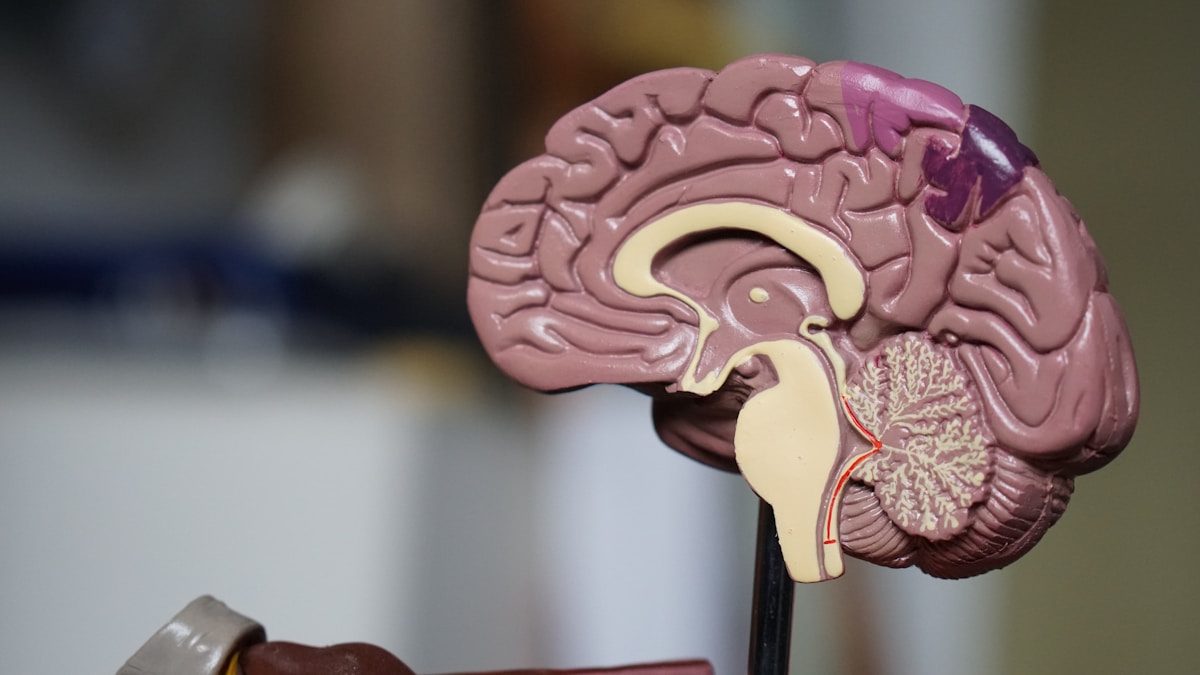
BDNF — brain-derived neurotrophic factor — is one of the most important proteins in the human brain, and one of the least discussed outside specialist neuroscience literature. It is, in the simplest terms, the molecule that keeps your brain cells alive, helps them form new connections, and enables your brain to physically change itself in response to learning and experience. The scientific term for this capacity is neuroplasticity, and BDNF is its primary molecular driver.
The reason this matters practically: BDNF levels decline with age, with chronic stress, with poor sleep, with sedentary behavior, and with several nutritional deficiencies that are extremely common in older adults. When BDNF falls, neurons become more vulnerable to damage and death, synaptic connections weaken, new memory formation slows, and cognitive performance declines — often in ways that feel like “normal aging” but are, in significant part, driven by this measurable and addressable biochemical change.
This article explains what BDNF does, why it declines, what the clinical consequences of low BDNF are, and — most practically — what the current research supports for raising BDNF levels through lifestyle and supplementation.
What BDNF Actually Does in the Brain
BDNF is a member of the neurotrophin family — proteins that regulate the growth, maintenance, and survival of neurons. It was identified in 1982 and has since become one of the most intensively studied molecules in neuroscience, with over 30,000 published papers examining its role in brain function, mental health, and neurological disease.
Its primary functions include:
- Neuronal survival: BDNF acts as a survival signal for neurons, preventing programmed cell death (apoptosis) in brain regions critical for memory and learning
- Synaptic plasticity: BDNF strengthens synaptic connections between neurons — the physical substrate of memory storage — through a process called long-term potentiation (LTP)
- Neurogenesis: In the hippocampus — the brain structure most directly responsible for forming new memories — BDNF promotes the generation of new neurons (neurogenesis), one of the few brain regions where this occurs in adult humans
- Myelination: BDNF supports the formation of myelin sheaths around axons, which determines the speed of neural signal transmission — effectively how fast you think and react
- Dendritic growth: BDNF stimulates the growth of dendrites — the branching extensions through which neurons receive input — increasing a neuron’s connectivity and information-processing capacity
BDNF is most highly expressed in the hippocampus, cerebral cortex, and cerebellum — the brain regions responsible for memory consolidation, executive function, and coordinated movement respectively. This distribution explains why BDNF deficiency produces the particular cognitive signature it does: impaired memory formation, slowed thinking, difficulty with complex tasks, and reduced processing speed.
The Age-Related Decline of BDNF: What the Data Shows
BDNF levels are not static. Multiple lines of evidence establish that BDNF declines with age in both animal models and humans, and that this decline correlates with the cognitive changes associated with normal aging and with the accelerated decline seen in neurological disease.
A landmark study by Bathina S and Das UN (2015, Archives of Medical Science) reviewed the clinical evidence on BDNF across the lifespan and documented a progressive reduction in hippocampal BDNF expression beginning in middle age, with accelerating decline in the seventh and eighth decades. The same review documented that BDNF levels in patients with Alzheimer’s disease are significantly lower than age-matched controls — not just in the hippocampus, but throughout the cortex.
Importantly, the relationship between BDNF and cognitive performance is not merely correlational. Longitudinal studies have shown that individuals with higher baseline BDNF levels in midlife experience slower cognitive decline over follow-up periods of 10-20 years, suggesting that BDNF level is a meaningful predictor of brain aging trajectory — not just a marker of current status.
What Specifically Reduces BDNF Levels
Beyond normal aging, several modifiable factors further suppress BDNF:
- Physical inactivity: Sedentary behavior is one of the most potent suppressors of BDNF. Aerobic exercise is the most reliably documented BDNF-raising intervention across the entire literature
- Chronic psychological stress: Cortisol — the primary stress hormone — directly suppresses BDNF gene expression via glucocorticoid receptor signaling in the hippocampus
- Chronic sleep deprivation: BDNF synthesis is highest during slow-wave sleep; consistently inadequate sleep chronically suppresses BDNF production
- Obesity and insulin resistance: High adiposity is inversely associated with BDNF levels; insulin signaling is a key upstream regulator of BDNF expression
- Excess sugar and ultra-processed food: High dietary refined carbohydrate and trans-fat consumption are associated with lower BDNF in human observational studies and experimental animal models
- Alcohol: Chronic alcohol use dose-dependently reduces BDNF in the hippocampus and prefrontal cortex
- Social isolation: Particularly relevant for older adults — isolation is associated with lower BDNF and accelerated cognitive decline
The Clinical Consequences of Low BDNF: More Than Just Memory
Reduced BDNF is not only a predictor of cognitive decline — it is independently associated with several major neurological and psychiatric conditions:
Alzheimer’s Disease and Dementia
Post-mortem brain tissue analyses consistently find significantly reduced BDNF in the hippocampus and entorhinal cortex of Alzheimer’s patients compared to age-matched controls. The amyloid plaques and neurofibrillary tangles that characterize Alzheimer’s pathology impair BDNF signaling through its primary receptor (TrkB), creating a vicious cycle: Alzheimer’s pathology suppresses BDNF, and low BDNF reduces the neuroprotective defenses that normally limit pathological progression.
Major Depression
The “neurotrophic hypothesis of depression” — now supported by over two decades of research — proposes that depression is characterized in part by reduced hippocampal BDNF and BDNF-dependent neuroplasticity. Serum BDNF is significantly lower in patients with major depressive disorder than in healthy controls, and effective antidepressant treatment — whether pharmacological or via exercise — reliably increases BDNF. This bidirectional relationship between BDNF and mood is clinically significant: cognitive symptoms of depression (brain fog, poor concentration, impaired memory) may be directly mediated by BDNF insufficiency.
Mild Cognitive Impairment (MCI)
Mild cognitive impairment — the transitional zone between normal aging and dementia — is associated with measurably lower serum BDNF than cognitively normal age-matched controls. Individuals with MCI who progress to Alzheimer’s have lower BDNF than those who remain stable. This makes BDNF one of the more biologically plausible targets for slowing MCI progression, a goal that drives significant research interest in BDNF-raising interventions.
How to Increase BDNF: What the Research Actually Supports
1. Aerobic Exercise — The Most Potent BDNF Raiser
The relationship between aerobic exercise and BDNF is one of the most robustly replicated findings in all of neuroscience. The seminal work by Cotman CW and Berchtold NC (2002, Trends in Neurosciences) established that voluntary running dramatically increases BDNF mRNA expression in the hippocampus, an effect that is dose-dependent and rapidly reversed with deconditioning.
In humans, a meta-analysis of 29 randomized controlled trials (Szuhany KL et al., 2015, Journal of Psychiatric Research) confirmed that both acute and chronic aerobic exercise significantly elevate serum BDNF, with the largest effects seen after 3-12 weeks of consistent training. High-intensity interval training (HIIT) produces larger acute BDNF spikes than moderate continuous exercise, though both are effective for chronic elevation. Even a single 20-minute bout of moderate aerobic exercise produces a measurable increase in circulating BDNF within minutes — one of the most immediate cognitive benefits of exercise.
The minimum effective exercise dose for sustained BDNF elevation in older adults appears to be approximately 150 minutes of moderate aerobic activity per week — consistent with standard physical activity guidelines and achievable for most sedentary adults beginning an exercise program.
2. Intermittent Fasting and Caloric Restriction
Caloric restriction and intermittent fasting reliably increase BDNF in animal models, with effects as large or larger than exercise in some paradigms. In humans, the evidence is more limited but consistently directional: periods of fasting activate AMPK and reduce mTOR activity, both of which enhance BDNF transcription. A study by Lee J et al. (2002, Annals of Neurology) demonstrated that intermittent fasting increased BDNF in hippocampal regions and protected against age-related cognitive decline in animal models — effects attributed to both BDNF upregulation and reduced oxidative stress.
3. Sleep Optimization
Slow-wave (deep) sleep is when the majority of BDNF synthesis and neuronal repair occurs. Chronic sleep restriction — particularly reducing slow-wave sleep, which is the most common effect of aging-related sleep changes — directly suppresses BDNF production. Prioritizing 7-9 hours of quality sleep, minimizing sleep fragmenting stimulants in the evening, and treating any underlying sleep-disordered breathing (such as obstructive sleep apnea, which profoundly disrupts slow-wave sleep) are all evidence-based approaches to BDNF optimization through sleep.
4. Dietary Approaches
Several specific dietary patterns and nutrients are associated with higher BDNF levels:
- Omega-3 fatty acids (DHA): DHA is the most abundant fatty acid in the brain and a key substrate for BDNF-dependent synaptogenesis. Low omega-3 intake is associated with lower BDNF and faster cognitive decline. A meta-analysis (Grosso G et al., 2014, PLOS One) found DHA supplementation significantly increased BDNF in depressed patients
- Blueberries and anthocyanins: Blueberry polyphenols — particularly pterostilbene and anthocyanins — increase hippocampal BDNF in animal models and are associated with slower cognitive decline in human observational studies. A 12-week blueberry supplementation trial in older adults with mild cognitive decline (Krikorian R et al., Nutritional Neuroscience, 2010) showed significant improvements in paired-associate learning and word list memory
- Curcumin: The active compound in turmeric has demonstrated BDNF-raising effects in multiple animal studies and in at least one randomized human trial (Small GW et al., 2018, American Journal of Geriatric Psychiatry)
- Mediterranean diet pattern: Adherence to the Mediterranean dietary pattern is associated with higher circulating BDNF and slower cognitive decline in large prospective cohort studies
BDNF Supplements: What the Research Shows
This is where the supplement evidence becomes more nuanced — and more directly actionable for people who want to address BDNF levels pharmacologically beyond diet and exercise.
NeuroFactor™ (Coffee Fruit Extract) — The Most Direct Human Evidence
NeuroFactor™ is a patented extract of whole coffee fruit (the fruit surrounding the coffee bean, typically discarded during processing) that has shown an extraordinary ability to increase BDNF levels in humans in direct clinical testing.
The key study: Reyes-Izquierdo T et al. (2013, British Journal of Nutrition) conducted a randomized, double-blind, crossover trial in 20 healthy adults. Participants received a single dose of NeuroFactor™ (100 mg whole coffee fruit extract), green coffee caffeine powder, grape seed extract, or placebo. The result: NeuroFactor™ produced a mean 143% increase in serum BDNF compared to baseline — a magnitude of BDNF elevation that is, to date, unmatched by any other single oral supplement in human clinical testing. The grape seed extract, green coffee caffeine, and placebo all produced significantly smaller BDNF increases or none at all, establishing that the effect is specific to the whole coffee fruit extract and not attributable to caffeine content.
A subsequent study by Robinson JL et al. (2020, Food and Nutrition Sciences) confirmed these findings in a larger, more rigorous 28-day protocol, documenting sustained BDNF elevation with chronic NeuroFactor™ supplementation and associated improvements in reaction time and cognitive performance.
The mechanism appears to involve the polyphenolic compounds in coffee fruit — procyanidins and other phenolic acids — that activate BDNF transcription through pathways distinct from caffeine. This is clinically significant because it means the BDNF effect persists with decaffeinated preparations and does not depend on stimulant activity.
Bacopa Monnieri
Bacopa monnieri is an Ayurvedic herb with a 6,000-year history of use for cognitive enhancement and over 14 modern clinical trials examining its effects on memory and cognition. Its BDNF-related mechanisms include: reducing oxidative stress in hippocampal neurons (protecting existing BDNF-producing cells), increasing dendritic branching (a BDNF-mediated effect), and upregulating the expression of memory-related proteins in hippocampal tissue.
A meta-analysis by Kongkeaw C et al. (2014, Journal of Ethnopharmacology) analyzing 9 randomized controlled trials found that bacopa significantly improved spatial working memory and delayed recall — cognitive domains specifically dependent on BDNF-mediated hippocampal function. Effects were most consistent when supplementation continued for 12 weeks or longer, consistent with bacopa’s relatively slow mechanism of action through synaptic remodeling.
Phosphatidylserine
Phosphatidylserine (PS) is a phospholipid that constitutes a major component of the inner leaflet of the neuronal cell membrane. It is essential for maintaining the lipid environment in which BDNF receptor (TrkB) signaling occurs, and has received an FDA-qualified health claim for its role in reducing the risk of cognitive dysfunction in the elderly — one of the very few supplements to achieve this status.
Multiple randomized trials have demonstrated that PS supplementation improves memory and cognitive function in older adults with age-related cognitive decline. A study by Crook TH et al. (1991, Neurology) found that 300 mg/day PS for 12 weeks improved performance on standardized memory tests — the magnitude equivalent to reversing approximately 12 years of age-related memory decline, the basis for the “cuts 12 years off your brain age” characterization sometimes used for this ingredient.
Alpha-GPC
Alpha-glycerophosphocholine (Alpha-GPC) is a choline-containing compound that is the most bioavailable dietary precursor for acetylcholine — the primary neurotransmitter for memory and learning. Acetylcholine deficiency in the hippocampus and basal forebrain is a well-established feature of Alzheimer’s disease; the cholinergic hypothesis of Alzheimer’s remains one of the dominant mechanistic frameworks, and all currently FDA-approved Alzheimer’s drugs (cholinesterase inhibitors) target the acetylcholine system.
Alpha-GPC increases both brain acetylcholine levels and BDNF-dependent acetylcholine neurotransmission, producing measurable improvements in attention, working memory, and reaction time. A review by Parnetti L et al. (2007, Mechanisms of Ageing and Development) confirmed that Alpha-GPC produces clinically meaningful improvements in cognitive function in mild-to-moderate Alzheimer’s patients and in age-related memory impairment — effects attributable to both direct acetylcholine restoration and downstream BDNF pathway support.
Acetyl-L-Carnitine
Acetyl-L-carnitine (ALC) is the acetylated form of L-carnitine, capable of crossing the blood-brain barrier and supporting mitochondrial energy production in neurons. Beyond mitochondrial support, ALC has been shown in multiple trials to improve cognitive performance in older adults with age-related cognitive decline and early Alzheimer’s, with mechanisms including upregulation of NGF (nerve growth factor) receptors in the brain, acetylcholine precursor activity, and antioxidant protection of neuronal membranes. A meta-analysis by Montgomery SA et al. (2003, International Journal of Geriatric Psychiatry) found statistically significant improvements in both clinical global ratings and standardized memory assessments with ALC supplementation in older adults with cognitive impairment.
Advanced Memory Formula: Combining the Most Researched BDNF-Supporting Nutrients
For individuals who want to implement an evidence-based BDNF support protocol through supplementation, the challenge is combining the ingredients with the strongest human clinical evidence in a single, convenient formulation.
Advanced Memory Formula, developed by Dr. Frank Shallenberger, does precisely this: it combines NeuroFactor™ (the coffee fruit extract that produced the 143% BDNF increase in human trials) with bacopa monnieri, phosphatidylserine, Alpha-GPC, acetyl-L-carnitine, blueberry extract, luteolin, and lecithin — a multi-target approach that addresses BDNF signaling, acetylcholine metabolism, neuronal membrane integrity, and neuroinflammation simultaneously.
The formulation is grounded in the insight that BDNF alone does not determine cognitive performance — it is BDNF acting within a neurochemical environment that is also dependent on acetylcholine availability (Alpha-GPC), membrane fluidity and receptor density (phosphatidylserine, lecithin), mitochondrial energy supply (acetyl-L-carnitine), and controlled neuroinflammation (luteolin, blueberry). Each of these ingredients addresses a distinct rate-limiting factor in the chain from BDNF production to functional cognitive improvement.
With over 1,500 customer reviews and a 90-day money-back guarantee, it represents a clinically coherent approach to brain health supplementation that goes beyond single-ingredient BDNF supplements to address the full network of factors that determine memory performance and cognitive aging.
🔎 Our researched pick: → See Advanced Memory Formula ingredients, research overview, and current pricing
Affiliate link — if you buy through it we may earn a commission at no extra cost to you.
Practical BDNF Optimization Protocol
The most effective approach to BDNF optimization combines lifestyle factors and targeted supplementation:
Non-Negotiables (Lifestyle)
- Aerobic exercise: 150+ minutes per week of moderate intensity — this is the single highest-impact BDNF intervention and cannot be meaningfully replicated by supplementation alone
- Sleep: 7-9 hours, prioritizing slow-wave depth — consider addressing sleep apnea if present, as it severely disrupts the BDNF-producing stages of sleep
- Chronic stress management: Cortisol directly suppresses BDNF — address chronic stress through whatever tools are sustainable (therapy, meditation, social connection, reducing commitments)
Dietary Foundation
- Mediterranean dietary pattern — highest evidence for BDNF support from diet
- Blueberries 1-2 cups daily or blueberry extract supplement
- Omega-3 DHA 1-2 g daily (fish oil or algal oil)
- Minimize refined carbohydrates and ultra-processed foods
Targeted Supplementation
- NeuroFactor™ (coffee fruit extract): 100 mg daily — the minimum dose used in the published trials showing 143% BDNF increase
- Bacopa monnieri: 300-450 mg standardized extract daily — allow 12 weeks minimum before assessing effect
- Phosphatidylserine: 300 mg daily
- Alpha-GPC: 300-600 mg daily
- Acetyl-L-carnitine: 500-1,500 mg daily
Frequently Asked Questions
Can you actually increase BDNF with supplements?
Yes — with some important qualifications. The most direct human clinical evidence for supplement-induced BDNF increase comes from NeuroFactor™ (coffee fruit extract), which produced a 143% increase in serum BDNF in a randomized controlled trial at a 100 mg dose. Other supplements — bacopa monnieri, omega-3 DHA, curcumin — have indirect BDNF-supporting effects through neuroinflammation reduction, improved synaptic environment, and enhanced neurotrophic signaling, though their direct BDNF-raising effects in humans are less well characterized. Supplementation works best as an adjunct to exercise, which remains the most potent BDNF-raising intervention documented.
How long does it take for BDNF supplements to work?
NeuroFactor™ produced measurable BDNF increases within hours of a single dose in the Reyes-Izquierdo et al. trial. However, functional cognitive improvements — better memory recall, sharper focus, faster processing — typically emerge over weeks to months as elevated BDNF progressively supports synaptic remodeling and dendritic growth. Bacopa monnieri is the ingredient with the longest required supplementation period, with most studies showing clearest cognitive benefits after 12 weeks. Plan for a 30-90 day evaluation window for meaningful functional assessment.
What is the fastest way to increase BDNF?
A single bout of moderate-intensity aerobic exercise (even 20-30 minutes of brisk walking or cycling) produces a rapid, measurable increase in circulating BDNF within minutes — the fastest reliable BDNF-raising intervention available. For supplementation, NeuroFactor™ produced the largest acute BDNF elevation (143%) documented in human testing within hours of a single dose. Combining acute exercise with NeuroFactor™ supplementation likely produces an additive or synergistic effect, though this specific combination has not yet been formally tested in a published trial.
Does low BDNF cause memory loss?
The evidence supports low BDNF as a contributing factor to the memory deficits associated with normal aging, major depression, and Alzheimer’s disease — though it is one of multiple contributing factors rather than a single root cause. BDNF is necessary for the long-term potentiation (LTP) process that consolidates new memories in the hippocampus; when BDNF is deficient, LTP is impaired and memory formation becomes less efficient. Raising BDNF through exercise, nutrition, and supplementation improves memory performance in multiple clinical trials, providing functional validation of this mechanistic link.
Is coffee good for BDNF?
Regular coffee consumption is associated with higher BDNF levels in observational studies, though the effect may not be primarily due to caffeine. NeuroFactor™ — which produced the documented 143% BDNF increase — is derived from the whole coffee fruit (not the bean itself), and the study specifically showed that isolated caffeine did not replicate the effect. The BDNF-raising compounds appear to be the polyphenols in the coffee fruit pulp and skin, not caffeine. Drinking brewed coffee provides modest amounts of these compounds; the concentrated NeuroFactor™ extract delivers them at doses that produce more pronounced BDNF elevation.
Sources
- Reyes-Izquierdo T et al. (2013), British Journal of Nutrition — NeuroFactor 143% BDNF increase trial
- Cotman CW & Berchtold NC (2002), Trends in Neurosciences — exercise and BDNF
- Szuhany KL et al. (2015), Journal of Psychiatric Research — exercise BDNF meta-analysis
- Bathina S & Das UN (2015), Archives of Medical Science — BDNF and cognitive aging review
- Kongkeaw C et al. (2014), Journal of Ethnopharmacology — bacopa meta-analysis
- Crook TH et al. (1991), Neurology — phosphatidylserine and memory
- Parnetti L et al. (2007), Mechanisms of Ageing and Development — Alpha-GPC cognitive review
- Montgomery SA et al. (2003), International Journal of Geriatric Psychiatry — acetyl-L-carnitine meta-analysis
- Grosso G et al. (2014), PLOS One — omega-3 and BDNF in depression
Medical Disclaimer: This article is for informational and educational purposes only and does not constitute medical advice. BDNF levels and cognitive function are influenced by many factors; supplementation is not a substitute for medical evaluation of memory concerns. If you are experiencing significant memory changes, consult a qualified physician. The supplement referenced has not been evaluated by the FDA for the diagnosis, treatment, cure, or prevention of any disease. Consult your healthcare provider before beginning any new supplement protocol, particularly if you take prescription medications or have existing health conditions.