How Much Protein Do You Really Need After 50?

Protein is the one nutrient that quietly decides how well you age. It is the raw material your body uses to maintain muscle, bone, and the immune system, and the amount most people eat, while enough to avoid deficiency, is not enough to protect against the slow muscle loss that begins in midlife. Here is what the research actually recommends after 50, and how to put it into practice without overcomplicating your plate.
Why Protein Matters More as You Age
From around your forties, muscle mass and strength begin a gradual decline called sarcopenia, accelerating later in life. Lost muscle is not just a cosmetic concern: it drives falls, frailty, slower recovery from illness, worse blood-sugar control, and loss of independence. Adequate protein, paired with resistance exercise, is the single most effective dietary lever against this decline, which is why the topic connects directly to sudden loss of leg strength in older adults.
The RDA Is a Floor, Not a Target
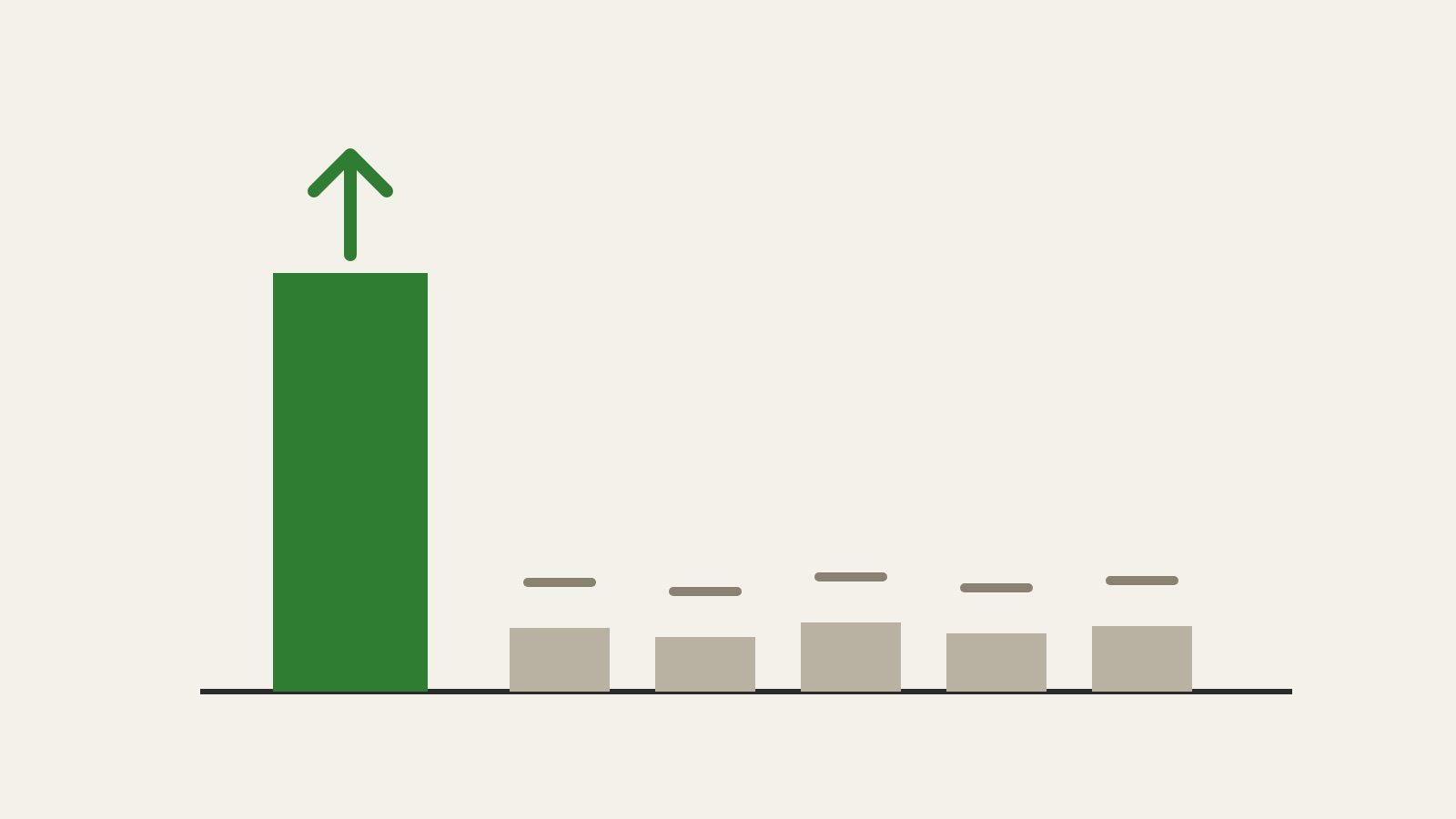
The official recommended dietary allowance for protein is 0.8 g/kg of body weight per day. It is widely misunderstood. That figure is the minimum needed to prevent deficiency in most healthy people, not the amount that optimizes muscle, especially in older adults whose bodies respond less efficiently to protein, a phenomenon called anabolic resistance. Eating only the RDA is a common, well-documented way to lose muscle faster than necessary as you age.
What the Experts Actually Recommend
The PROT-AGE expert group (Bauer et al., 2013) reviewed the evidence and recommended that healthy older adults aim for at least 1.0 to 1.2 g/kg of body weight per day, with 1.2 to 1.5 g/kg for those with acute or chronic illness, and even more during serious illness or injury. The European ESPEN group reached similar conclusions. For a 70 kg (154 lb) person, 1.0 to 1.2 g/kg works out to roughly 84 to 105 grams of protein daily, meaningfully more than many older adults currently eat.
Protein Plus Training: The Multiplier
Protein works best alongside resistance exercise. A large 2018 meta-analysis by Morton and colleagues, pooling 49 studies and over 1,800 participants, found that protein supplementation significantly increased strength and muscle mass during resistance training. Two practical lessons came out of it. First, the muscle benefit of extra protein was reduced with age, reinforcing that older adults need to be deliberate. Second, gains in lean mass plateaued once total protein reached about 1.6 g/kg/day, so more is not endlessly better.
Distribution Matters as Much as Total
Where many people go wrong is timing. The typical pattern, a little protein at breakfast, some at lunch, and a large dinner, is inefficient for muscle because the body can only use so much at once to build tissue. Spreading protein more evenly, roughly 25 to 40 grams at each of three meals, repeatedly stimulates muscle protein synthesis through the day. For older adults with anabolic resistance, hitting a threshold of around 30 grams of quality protein per meal appears especially important.
Protein Quality and Leucine
Not all protein is equal for muscle. The amino acid leucine acts as the main trigger for muscle building, and animal proteins (dairy, eggs, meat, fish) and whey are richer in it than most plant proteins. This does not mean plant eaters cannot thrive; it means they should aim for slightly higher total protein and combine sources (legumes, grains, soy, nuts) to cover the full amino acid range. Soy and a well-planned mix close most of the gap.
Animal vs Plant Protein
Both can support healthy aging. Animal proteins are more concentrated and leucine-rich per serving, making targets easier to hit, while plant proteins bring fiber and other benefits and are linked to good cardiovascular outcomes. A sensible pattern for most people is a mix: fish, dairy, eggs, and lean meat alongside beans, lentils, tofu, nuts, and whole grains. The best protein is ultimately the one you will eat consistently in adequate amounts.
Do You Need a Protein Powder?
Food first is the rule, but powders are a legitimate convenience, not a gimmick. For older adults who struggle to reach targets because appetite shrinks with age, a scoop of whey or a quality plant blend is an easy way to add 20 to 30 grams, particularly at breakfast, where intake is usually lowest. Whey is especially effective for muscle because it is rapidly digested and high in leucine. Powder is a tool to fill a gap, not a replacement for meals.
The Kidney Myth
A persistent worry is that higher protein harms the kidneys. In people with normal kidney function, the evidence does not support this; higher protein intakes within the ranges discussed here are safe for healthy adults. The caveat is real for those with existing chronic kidney disease, who do need to limit and individualize protein with medical guidance. If your kidneys are healthy, fear of damage is not a good reason to under-eat protein as you age.
Common Mistakes
The biggest mistakes are eating to the RDA and assuming it is optimal, back-loading nearly all protein into dinner, neglecting breakfast protein entirely, and pairing a low protein intake with no resistance training, which wastes the protein you do eat. Older adults also frequently lose appetite and unintentionally drift below target, so tracking intake for a few days can be eye-opening.
The Bottom Line
After 50, treat 1.0 to 1.2 grams of protein per kilogram of body weight as a baseline, push toward the higher end if you are active or recovering from illness, spread it across the day in 25 to 40 gram servings, favor quality and leucine-rich sources, and combine it with regular strength training. Done consistently, this is one of the highest-return habits for staying strong, mobile, and independent into later life, and it costs nothing more than rearranging what is already on your plate.
What These Numbers Look Like on a Plate
Grams per kilogram can feel abstract, so here is what hitting the target actually means. A 70 kg adult aiming for roughly 100 grams of protein a day might eat three eggs and Greek yogurt at breakfast (about 30 g), a chicken or tofu-and-bean lunch (about 35 g), and a fish or lentil dinner (about 35 g). Useful reference points: a palm-sized portion of cooked meat or fish supplies roughly 25 to 30 grams, a cup of Greek yogurt about 20 grams, a cup of cooked lentils about 18 grams, three eggs about 18 grams, and a scoop of whey 20 to 25 grams. Once you know a few of these anchors, you can build meals that reliably land in range without weighing anything.
For older adults who find large protein portions filling, two practical tricks help: front-load protein earlier in the day when appetite is strongest, and lean on easy-to-eat sources like yogurt, eggs, fish, milk, and a shake rather than only large slabs of meat. Hitting the target consistently, day after day, matters far more than perfection on any single day, and a few days of honestly tracking what you eat is usually enough to reveal whether you are falling short.
Frequently Asked Questions
How much protein do I need after 50?
Expert groups recommend at least 1.0 to 1.2 grams per kilogram of body weight per day, more (1.2 to 1.5 g/kg) if you are ill or training hard. For a 70 kg adult that is roughly 84 to 105 grams daily, above the standard RDA.
Is the protein RDA enough for older adults?
Usually not for optimal muscle. The 0.8 g/kg RDA prevents deficiency but is too low to offset age-related muscle loss, which is why specialists recommend more for people over 50.
How much protein can the body use per meal?
For muscle building, roughly 25 to 40 grams of quality protein per meal is effective; older adults benefit from hitting at least about 30 grams per meal to overcome anabolic resistance.
Is too much protein bad for your kidneys?
Not for people with healthy kidneys. Higher protein within the recommended ranges is safe; only those with existing kidney disease need to restrict and individualize protein under medical care.
Is plant protein as good as animal protein?
It can be, with planning. Plant proteins are lower in leucine, so aim for slightly higher totals and combine sources. Soy and varied plant diets support muscle well, especially alongside training.
Do I need a protein powder?
Not necessarily, but it is a convenient way to reach targets, particularly at breakfast or for older adults with reduced appetite. Whey is effective for muscle; food should still come first.
Sources
- Bauer J, et al. “Evidence-based recommendations for optimal dietary protein intake in older people: a position paper from the PROT-AGE Study Group.” Journal of the American Medical Directors Association, 2013. PMID 23867520
- Morton RW, et al. “A systematic review, meta-analysis and meta-regression of the effect of protein supplementation on resistance training-induced gains in muscle mass and strength in healthy adults.” British Journal of Sports Medicine, 2018. PMID 28698222
- Deutz NE, et al. (ESPEN Expert Group). “Protein intake and exercise for optimal muscle function with aging.” PMC4208946
Related: High-protein, high-fiber foods: 4 foods do both, 11 have 0 g fiber (USDA values for 33 foods).