Does Tongkat Ali Increase Testosterone? What Trials Measured
This article contains affiliate links. We only recommend products we have independently researched. Reviewed by the HealthyMag Editorial Team. Last updated: June 2026.
Search interest in Tongkat Ali has exploded as men look for a natural way to support testosterone without prescription therapy. But most of what you read is either marketing hype or knee-jerk skepticism. The truth sits in between — and unlike most “test boosters,” Tongkat Ali actually has a handful of decent randomized controlled trials behind it. This guide walks through exactly what those studies found, the doses that worked, who is most likely to benefit, and the safety details that supplement labels conveniently leave out.
What Is Tongkat Ali?
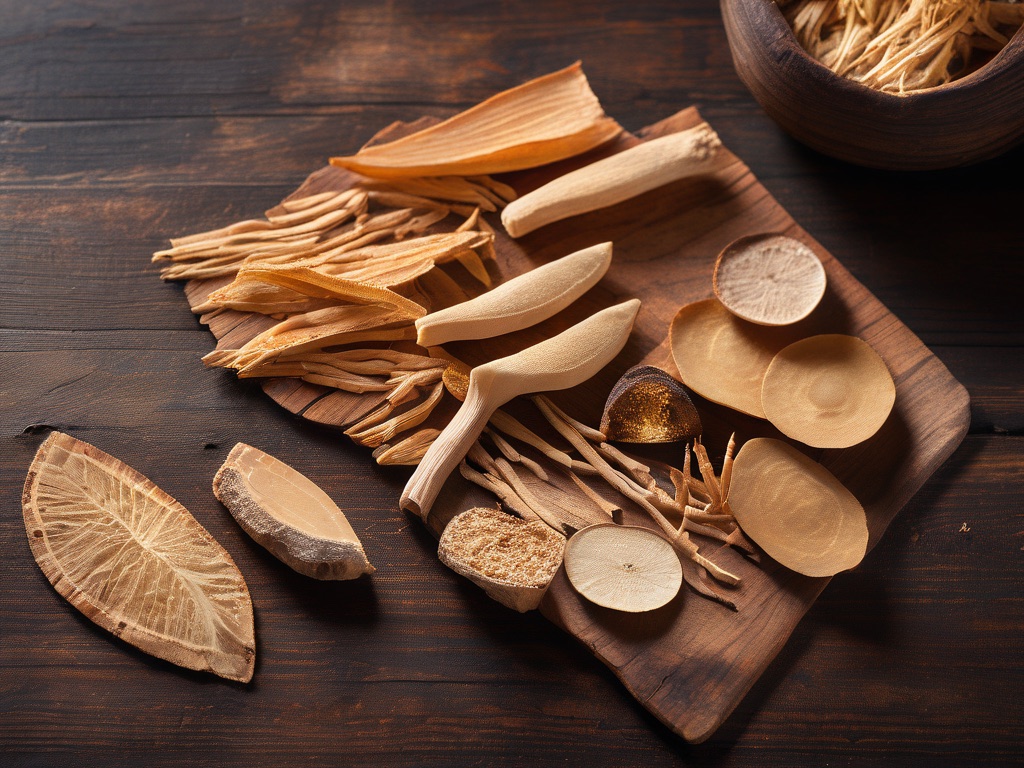
Tongkat Ali is a flowering shrub native to Southeast Asia, where the root has been used for centuries as a traditional remedy for low libido, fatigue, and “male vitality.” Its scientific name is Eurycoma longifolia, and you will also see it sold as Longjack or Malaysian ginseng.
The root contains a group of bioactive compounds — most importantly quassinoids such as eurycomanone — that appear to be responsible for its hormonal effects. Crucially, almost all of the positive human research uses water-based (aqueous) standardized extracts, not raw root powder. This distinction matters enormously when you choose a product, and we will come back to it.
Rather than acting as a synthetic hormone, Tongkat Ali is thought to work indirectly: it may free up bound testosterone, reduce the stress hormone cortisol, and support the body’s own hormone production. That mechanism is why it tends to help men whose testosterone is suppressed — and does much less for men whose levels are already healthy.
Does Tongkat Ali Actually Raise Testosterone?
This is the headline question, and here the evidence is genuinely encouraging — with caveats.
A 2012 study published in Andrologia (Tambi, Imran & Henkel) gave 76 men with late-onset hypogonadism 200 mg of a standardized water-soluble extract daily for one month. Before treatment, only 35.5% of the men had normal testosterone levels; after one month, 90.8% did. Their symptom scores on the Aging Males’ Symptoms (AMS) scale also improved dramatically, with the share of men reporting “no complaints” rising from 10.5% to 71.7% (P < 0.0001).
A larger 2021 randomized, double-blind, placebo-controlled multicentre trial in Food & Nutrition Research tested the patented Physta® extract in 105 men aged 50–70 with testosterone below 300 ng/dL. The 200 mg dose produced a statistically significant rise in total testosterone versus placebo by week 4, growing stronger through week 12 (P < 0.001). The men also reported less fatigue and better quality-of-life scores, and the 200 mg group showed measurable gains in muscle strength.
A 2021 six-month trial in Maturitas found that 200 mg of Eurycoma longifolia raised testosterone in roughly half of the middle-aged men studied — and that combining it with resistance training produced the biggest improvements in erectile function.
The honest summary: in men who start with low or low-normal testosterone, a standardized 200 mg dose reliably nudges levels upward over 4–12 weeks. If you are a healthy young man with normal testosterone, expect a far smaller effect — the herb corrects a deficit better than it pushes an already-normal system higher.
The Cortisol Connection: Stress, Mood, and the T:C Ratio
One of the most interesting findings has nothing to do with libido. A frequently cited 2013 trial in the Journal of the International Society of Sports Nutrition (Talbott et al.) gave 63 moderately stressed adults 200 mg of standardized Tongkat Ali extract daily for four weeks.
The results were striking: salivary cortisol fell by 16%, testosterone rose by 37%, and the overall cortisol-to-testosterone ratio improved by 36%. Participants also reported meaningful drops in tension (−11%), anger (−12%), and confusion (−15%).
Why does this matter? Chronically high cortisol suppresses testosterone and drives fatigue, poor sleep, and irritability. By lowering cortisol while supporting testosterone, Tongkat Ali appears to shift the body’s stress-hormone balance — which may explain why users often describe feeling “calmer but more driven” rather than simply more aroused. For stress-related low energy, this hormonal rebalancing may be the herb’s most underrated benefit, and it overlaps with the goals people bring to adaptogens like ashwagandha and rhodiola.
Libido, Erections, and Sexual Well-Being
Because Tongkat Ali influences testosterone, its effects on sexual function have been studied directly. Across multiple trials, men taking standardized extracts report improvements in libido, sexual satisfaction, and erectile function — though the size of the effect varies and is generally modest compared with prescription treatments.
The pattern that emerges is consistent: the men who benefit most are those whose sexual symptoms stem from low testosterone or high stress in the first place. If erectile difficulty has a vascular or psychological cause unrelated to hormones, a testosterone-support herb is unlikely to fix it. Men dealing with prostate-related changes should also read our guide on how an enlarged prostate affects sexual function before assuming hormones are the issue.
Body Composition and Athletic Performance
The performance claims are where marketing gets ahead of the science. Some studies — including the Physta® trial above — show small gains in muscle strength, and older research in physically active older adults reported improvements in fat-free mass. But Tongkat Ali is not an anabolic steroid. Any body-composition benefit appears to be a secondary effect of better testosterone status and lower cortisol, not a direct muscle-building action. Treat it as a supporting player to training and protein intake, not a shortcut.
How the Common Forms Compare
| Form | What It Is | Clinical Backing |
|---|---|---|
| Standardized aqueous extract (e.g., Physta®, LJ100®) | Water-based extract standardized to eurycomanone and bioactive peptides | Strongest — used in most positive RCTs at 200 mg |
| Generic “2% eurycomanone” extract | Standardized to a fixed eurycomanone percentage | Reasonable, if third-party verified |
| Raw root powder | Ground, unextracted root | Weak — low active content, rarely matches trial doses |
| High-ratio extracts (e.g., 100:1, 200:1) | Concentration ratios with no standardized active level | Unverifiable — ratio alone tells you nothing about potency |
Dosage and Safety
The dose used in nearly every successful trial is 200 mg of a standardized extract per day, taken in the morning. Some products go up to 400 mg, but more is not clearly better, and the well-controlled studies stuck to 200 mg. Effects build over weeks, so judge results at 4–12 weeks, not after a few days.
In controlled studies, standardized Tongkat Ali has a good short-term safety profile. The 12-week Physta® trial reported only a handful of mild gastrointestinal complaints and — importantly — no clinically meaningful changes in liver function, kidney function, or blood lipids. Long-term human safety data beyond a few months, however, is limited, so periodic breaks are sensible.
Drug Interactions and Who Should Avoid It
This is the section supplement labels skip. Tongkat Ali is not right for everyone:
- Men with hormone-sensitive conditions — including prostate cancer — should not use a testosterone-support herb without a doctor’s clearance. If you are weighing prostate health, start with our evidence review of the best prostate supplements.
- People on diabetes or blood-pressure medication — Tongkat Ali may lower blood sugar and blood pressure, so monitor closely to avoid stacking effects.
- Anyone on lithium or with significant heart, liver, or kidney disease — talk to your physician first.
- Women who are pregnant or breastfeeding should avoid it entirely.
One more safety issue is product quality rather than the herb itself: independent testing over the years has found that some Tongkat Ali supplements — particularly cheap, unstandardized ones — were contaminated with heavy metals such as mercury. This is the single best reason to buy only third-party-tested products.
How to Choose a Tongkat Ali Supplement
Because potency and purity vary so wildly, the brand matters more here than with most supplements. Look for:
- A standardized, water-based extract — ideally a clinically studied one such as Physta® or LJ100®, or a product clearly standardized to a stated eurycomanone percentage (commonly around 2%). Avoid vague “100:1” claims with no active-compound number.
- A 200 mg clinical dose of the standardized extract per serving — matching what the trials actually used.
- Third-party testing for heavy metals and purity, with a certificate of analysis available. Given the documented contamination problem, this is non-negotiable.
- Transparent labeling — the species (Eurycoma longifolia), the plant part (root), and the extract type should all be stated. No proprietary-blend hiding.
A product that checks all four boxes costs more than bargain-bin root powder, but it is the only kind that resembles what was tested in the research above.
Frequently Asked Questions
How long does Tongkat Ali take to work?
Most clinical trials measured benefits at 4 to 12 weeks. You may notice changes in mood, stress, and energy within the first couple of weeks, but testosterone and symptom improvements build gradually. Judge the results after at least a month of consistent daily use, not after a few days.
Does Tongkat Ali really increase testosterone?
In men who start with low or borderline testosterone, yes — randomized controlled trials show a standardized 200 mg daily dose raises total testosterone over 4 to 12 weeks. In young men with already-normal levels, the effect is much smaller. It corrects a deficit better than it boosts a healthy system.
What is the best dosage of Tongkat Ali?
Nearly all successful studies used 200 mg of a standardized water-based extract per day, taken in the morning. Higher doses such as 400 mg are sold but are not clearly more effective, and the best-controlled research stuck to 200 mg.
Is Tongkat Ali safe to take every day?
Standardized extracts showed a good safety profile in trials up to 12 weeks, with no meaningful changes in liver, kidney, or lipid markers. Long-term data is limited, so many users cycle it — for example, five days on and two off, or periodic breaks every few months. People with medical conditions or on medication should consult a doctor first.
Does Tongkat Ali have side effects?
Reported side effects in studies were mild and mostly digestive (constipation, indigestion). Some users report restlessness or trouble sleeping if they take it too late in the day, which is why morning dosing is recommended. The bigger real-world risk is poor product quality, including heavy-metal contamination in unstandardized supplements.
Can women take Tongkat Ali?
Some women use low doses for energy and libido, but the research is overwhelmingly in men, and women who are pregnant or breastfeeding should avoid it completely. Any woman considering it — especially with a hormone-sensitive condition — should speak with a healthcare provider first.
Should I take Tongkat Ali or ashwagandha?
They overlap but emphasize different things. Tongkat Ali has more direct testosterone evidence, while ashwagandha has broader data for stress and sleep. Men whose main issue is low testosterone may prefer Tongkat Ali; those focused on stress and anxiety may do better with ashwagandha. Both lower cortisol, and some people use them together.
The Bottom Line
Tongkat Ali is one of the rare testosterone-support herbs that earns its reputation with actual human trials rather than test-tube hype. A standardized 200 mg daily dose can raise testosterone, lower cortisol, and improve energy, mood, and sexual well-being — but mainly in men who start with low or stress-suppressed levels. It is not a steroid, not a quick fix, and not a substitute for sleep, training, and medical care when testosterone is clinically low. Choose a third-party-tested, standardized extract, give it a month or two, and set realistic expectations, and it is one of the better-supported options in a category full of empty promises.
Sources
- Talbott SM, Talbott JA, George A, Pugh M. “Effect of Tongkat Ali on stress hormones and psychological mood state in moderately stressed subjects.” Journal of the International Society of Sports Nutrition, 2013;10:28. PMC3669033
- Tambi MI, Imran MK, Henkel RR. “Standardised water-soluble extract of Eurycoma longifolia, Tongkat ali, as testosterone booster for managing men with late-onset hypogonadism?” Andrologia, 2012;44 Suppl 1:226–230. PMID 21671978
- Randomized, double-blind, placebo-controlled multicentre trial of Physta® standardized extract on testosterone and quality of life in ageing men. Food & Nutrition Research, 2021. PMC8254464
- Six-month, double-blind, placebo-controlled randomized trial of Eurycoma longifolia and concurrent training on erectile function and testosterone in androgen-deficient aging males. Maturitas, 2021. Maturitas 2021