Does Berberine Really Work? The Evidence, Dose and Cautions
Reviewed by the HealthyMag Editorial Team. Last updated: July 2026. This is health information, not medical advice — talk to your doctor before taking supplements, especially if you take medication.
Scroll through health TikTok or Instagram and you’ll eventually meet berberine, breathlessly rebranded as “nature’s Ozempic” — a cheap supplement that supposedly melts fat and flattens blood sugar the way a prescription weight-loss injection does. It’s a catchy hook. It’s also mostly marketing.
Berberine is a genuinely interesting compound with decades of research behind it, and it does have measurable effects on blood sugar and cholesterol. But the “nature’s Ozempic” nickname collapses under scrutiny: berberine and semaglutide (the drug in Ozempic and Wegovy) share almost nothing beyond the fact that both can affect metabolism. This article walks through what the science actually shows, where the hype outruns the evidence, and — critically for a supplement that touches blood sugar and interacts with prescription drugs — who should stay away from it entirely.
What is berberine?
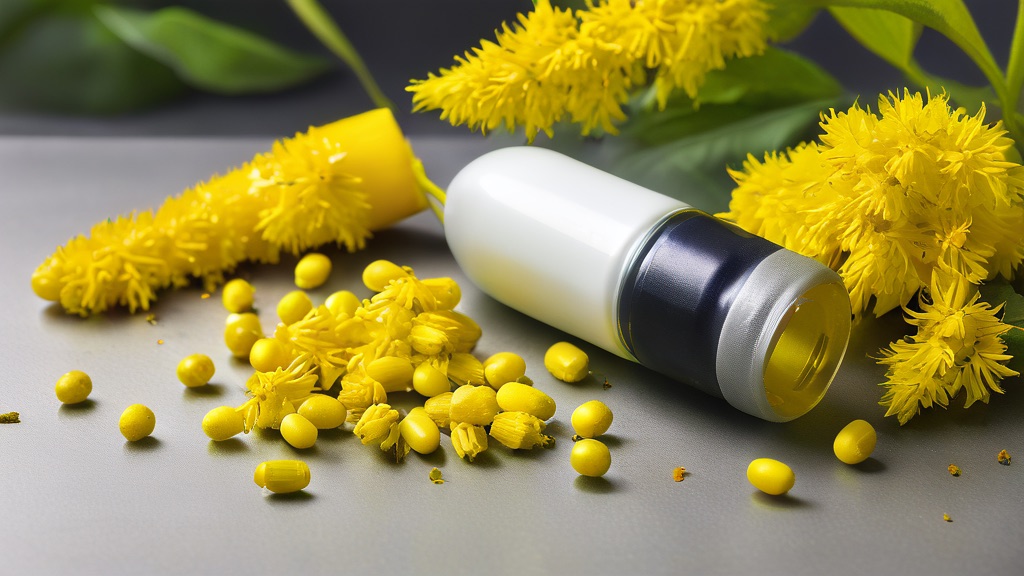
Berberine is a bright-yellow alkaloid found in several plants, including goldenseal, barberry, Oregon grape, and the Chinese herb Coptis chinensis (goldthread). It has been used in traditional Chinese and Ayurvedic medicine for centuries, historically for digestive complaints and infections. Today it’s sold as an over-the-counter supplement, usually as berberine hydrochloride (berberine HCl) in capsule form.
Modern interest centers on its metabolic effects — its ability to nudge blood glucose and blood lipids downward. That’s a real phenomenon backed by clinical trials. The problem isn’t whether berberine “does anything”; it’s the gap between what it modestly does and what the internet claims it does.
What the evidence actually shows
The strongest evidence for berberine is in blood sugar, not weight. A 2022 systematic review and meta-analysis in Frontiers in Pharmacology (Xie and colleagues) pooled 37 randomized controlled trials involving 3,048 people with type 2 diabetes. It found that berberine reduced:
- Fasting plasma glucose by about 0.82 mmol/L (roughly 15 mg/dL)
- HbA1c — a marker of average blood sugar over ~3 months — by about 0.63%
- 2-hour post-meal glucose by about 1.16 mmol/L
Those are real, statistically significant reductions. An HbA1c drop of roughly half a percent is clinically meaningful and, on paper, comparable to some standard glucose-lowering approaches. Similar signals appear for cholesterol: separate meta-analyses of randomized trials report berberine lowering total cholesterol by around 0.4–0.6 mmol/L and LDL (“bad”) cholesterol by roughly 0.4–0.65 mmol/L.
But two big caveats apply. First, the authors of the diabetes meta-analysis rated the underlying trials as only moderate quality, with substantial heterogeneity and weak reporting of blinding and allocation — much of the research comes from smaller studies in one region. Second, many trials tested berberine alongside diabetes medication or diet changes, so isolating berberine’s independent effect is genuinely hard. The direction of the evidence is consistent; the certainty is not airtight.
| Marker | Pooled effect of berberine | Evidence quality |
|---|---|---|
| Fasting blood glucose | ↓ ~0.82 mmol/L (~15 mg/dL) | Moderate; significant heterogeneity |
| HbA1c | ↓ ~0.63% | Moderate |
| Post-meal (2-hour) glucose | ↓ ~1.16 mmol/L | Moderate |
| LDL cholesterol | ↓ ~0.4–0.65 mmol/L | Low–moderate; high risk of bias |
| Body weight | Small, inconsistent | Low; high risk of bias (per NCCIH) |
For context on how metabolic health is actually built through diet and lifestyle rather than a single capsule, see our guides on reversing prediabetes and heart risk and the Mediterranean diet for diabetes.
Why “nature’s Ozempic” is misleading
Here’s the honest core of this article. Ozempic and Wegovy contain semaglutide, a GLP-1 receptor agonist — an injectable drug that mimics a gut hormone (glucagon-like peptide-1). It slows stomach emptying, signals fullness to the brain, and boosts insulin release in response to meals. In clinical trials, GLP-1 drugs produce large, well-documented weight loss (often 10–15%+ of body weight) under rigorous FDA review.
Berberine does none of that through the same pathway. It is not a GLP-1 drug, does not act meaningfully on GLP-1 receptors as its primary mechanism, and has never demonstrated anything close to GLP-1-level weight loss. The U.S. National Center for Complementary and Integrative Health (NCCIH) reviewed the weight-loss evidence and concluded it is inconclusive: some reviews saw modest decreases in weight and BMI at doses above 1 gram/day for eight-plus weeks, but “many of the studies had a high risk of bias,” and higher-quality research is needed before any firm claims can be made.
In short: calling berberine “nature’s Ozempic” is a bit like calling a bicycle “nature’s Tesla.” Both move you, but the comparison implies a similarity of power and mechanism that simply isn’t there. If you’re specifically interested in how the actual pharmaceutical class works — including the newer oral options — read our coverage of the orforglipron weight-loss pill.
How it works (AMPK and more)
Berberine’s best-studied mechanism is activation of an enzyme called AMP-activated protein kinase (AMPK) — sometimes described as a cellular “energy switch.” When activated, AMPK increases glucose uptake into muscle, tamps down glucose production in the liver, and shifts cells toward burning rather than storing energy. A foundational 2006 study in Diabetes (Lee and colleagues) showed berberine activates AMPK with beneficial metabolic effects in insulin-resistant states.
Interestingly, AMPK isn’t the whole story. Berberine appears to activate AMPK partly by mildly inhibiting mitochondrial function (raising the cell’s AMP-to-ATP ratio), and some research suggests it can lower glucose through pathways independent of AMPK as well, including effects on gut bacteria and on liver glucose production. This multi-target action is scientifically intriguing — but it’s a different biological story from the hormone-mimicking action of GLP-1 drugs.
Side effects and the bioavailability problem
Berberine’s most common side effects are gastrointestinal: cramping, diarrhea, constipation, bloating, nausea, and abdominal pain. These are usually dose-dependent and tend to ease if the dose is split across the day, but they’re common enough that some people can’t tolerate it.
There’s also a pharmacological catch: berberine has poor oral bioavailability. Very little of what you swallow actually reaches the bloodstream intact — much is metabolized or pumped back out by intestinal transporters. That’s partly why doses are relatively high (often 500 mg two to three times daily in studies) and why some of berberine’s effects may occur in the gut itself rather than systemically. It’s also why marketers push “enhanced absorption” formulations, whose real-world benefit is not well established.
Drug interactions and who must avoid it
This is the section to read twice. Berberine is not a benign herb you can casually stack with other medications.
It inhibits key drug-metabolizing systems. Berberine inhibits several cytochrome P450 (CYP) enzymes — including CYP3A4 and CYP2D6 — and the transporter P-glycoprotein. These are the same systems your body uses to clear a huge range of prescription drugs. Inhibiting them can cause other medications to build up to higher-than-intended levels, amplifying both their effects and their toxicity. Drugs commonly flagged include some statins, blood thinners such as warfarin, the transplant medication cyclosporine (specifically named by NCCIH), certain antidepressants, and others. Anyone taking a prescription that’s metabolized by CYP3A4 should not start berberine without a prescriber or pharmacist reviewing it first.
It can stack with diabetes medication to cause hypoglycemia. Because berberine lowers blood sugar on its own, combining it with metformin, insulin, or sulfonylureas can push blood sugar too low. This is a real risk, not a theoretical one — and it’s exactly why self-medicating “for blood sugar” while already on diabetes drugs is dangerous without medical supervision.
It is unsafe in pregnancy, breastfeeding, and infants. This is the most serious safety line. Berberine crosses the placenta and can displace bilirubin from proteins in the blood. In fetuses and newborns, that can trigger kernicterus — a form of bilirubin-related brain damage. The NCCIH states plainly that berberine is “likely to be unsafe for infants and may also be unsafe for use during pregnancy or while breastfeeding.” It should not be given to babies, and pregnant or nursing people should avoid it.
Dosage and quality concerns
In clinical trials, berberine is typically dosed at around 900–1,500 mg per day, split into two or three doses taken with meals to reduce GI upset. But dosing guidance from studies is not a green light to self-prescribe — the right answer depends on your health status, medications, and a clinician’s judgment.
Supplement quality is a separate, real problem. Berberine supplements are not tightly regulated the way prescription drugs are, and independent testing has repeatedly found supplements across categories that under- or over-deliver on their labeled dose or contain contaminants. Because “berberine” can be extracted from plants like goldenseal that carry their own cautions, product purity and accurate labeling genuinely vary between brands. Looking for third-party testing (e.g., USP, NSF, or independent lab verification) is a reasonable minimum bar.
Frequently Asked Questions
Is berberine really nature’s Ozempic?
No. That’s a marketing nickname, not a scientific claim. Ozempic contains semaglutide, a GLP-1 receptor agonist that mimics a gut hormone to drive substantial, FDA-reviewed weight loss. Berberine works through entirely different mechanisms (mainly AMPK activation) and has never shown anything close to GLP-1-level weight loss.
Does berberine lower blood sugar?
Yes, modestly. A meta-analysis of 37 trials in people with type 2 diabetes found berberine lowered fasting glucose by about 0.82 mmol/L and HbA1c by about 0.63%. The effect is real but the trial quality was rated only moderate, and it should not replace prescribed treatment.
Does berberine help you lose weight?
The evidence is weak. The NCCIH calls the weight-loss data inconclusive: some reviews saw small drops in weight and BMI, but most of those studies had a high risk of bias. It is not a proven weight-loss treatment.
What are the side effects of berberine?
The most common are gastrointestinal: diarrhea, constipation, cramping, bloating, nausea, and abdominal pain. These are often dose-related. More serious concerns involve drug interactions and its unsafety in pregnancy and infants.
Can you take berberine with metformin?
Not without medical supervision. Both lower blood sugar, so combining them can cause hypoglycemia (dangerously low blood sugar). If you take metformin or any diabetes medication, talk to your doctor or pharmacist before adding berberine.
How much berberine should I take?
Studies commonly used around 900–1,500 mg per day, split into two or three doses with meals. But this isn’t a personal recommendation — the appropriate dose (if any) depends on your health and medications, and should be decided with a clinician.
Who should not take berberine?
Anyone who is pregnant, breastfeeding, or trying to conceive; infants and children; and anyone taking medications metabolized by CYP3A4/CYP2D6 or P-glycoprotein (including certain statins, warfarin, cyclosporine, and diabetes drugs) without prescriber review. When in doubt, ask a pharmacist.
Is berberine safe?
For many healthy adults, short-term use appears reasonably tolerated aside from GI side effects, and liver injury is considered unlikely at standard doses (per NIH’s LiverTox). But “generally tolerated” is not the same as “safe for everyone.” Its drug interactions and its risks in pregnancy and infancy are serious, which is why medical guidance matters.
The Bottom Line
Berberine is a legitimate compound with a real, modest ability to lower blood sugar and, to a lesser extent, cholesterol — mostly studied in people who already have metabolic conditions. That’s worth respecting. But “nature’s Ozempic” is a myth: berberine is not a GLP-1 drug, works through completely different mechanisms, and has weak, low-quality weight-loss evidence. Layer on poor absorption, common GI side effects, meaningful drug interactions, variable supplement quality, and genuine danger in pregnancy and infancy, and the picture is clear — this is a supplement to approach cautiously and never casually.
If your goal is better metabolic health, the foundations still win: diet, movement, sleep, and — when needed — properly prescribed medication. Approaches like the Mediterranean diet and evidence-based eating patterns such as intermittent fasting versus calorie counting have stronger, safer track records than any capsule. If you’re still curious about berberine, the single most important step is to talk to your doctor or pharmacist first — especially if you take any medication.
🛒 Where to buy: berberine
Herbal Lab’s berberine is an alcohol-free liquid extract in a vegetable glycerin base, 1,800 mg per serving, third-party lab tested and made in the USA, taken in half a glass of water rather than swallowed as a capsule. It supports healthy blood sugar levels. Read the section above first, though, because it decides whether this is for you: the effect is real but modest, and berberine carries meaningful drug interactions. If you take prescription medication — particularly for blood sugar — clear it with the prescriber before you start, not after.
See Herbal Lab berberine (15% off)
Affiliate link — we may earn a commission at no extra cost to you, and it does not change what we have written above. Code HERBAL15 is applied at checkout. These statements have not been evaluated by the Food and Drug Administration. This product is not intended to diagnose, treat, cure, or prevent any disease.
Sources
- Xie W, Su F, Wang G, et al. Glucose-lowering effect of berberine on type 2 diabetes: A systematic review and meta-analysis. Frontiers in Pharmacology. 2022;13:1015045. https://pmc.ncbi.nlm.nih.gov/articles/PMC9709280/
- Lan J, Zhao Y, Dong F, et al. Meta-analysis of the effect and safety of berberine in the treatment of type 2 diabetes mellitus, hyperlipidemia and hypertension. Journal of Ethnopharmacology / related lipid meta-analyses (PubMed). https://pubmed.ncbi.nlm.nih.gov/30466986/
- Lee YS, Kim WS, Kim KH, et al. Berberine, a natural plant product, activates AMP-activated protein kinase with beneficial metabolic effects in diabetic and insulin-resistant states. Diabetes. 2006. https://pubmed.ncbi.nlm.nih.gov/16873688/
- National Center for Complementary and Integrative Health (NCCIH). Berberine and Weight Loss: What You Need To Know. https://www.nccih.nih.gov/health/berberine-and-weight-loss-what-you-need-to-know
- National Center for Complementary and Integrative Health (NCCIH). Herb–Drug Interactions: What the Science Says. https://www.nccih.nih.gov/health/providers/digest/herb-drug-interactions-science
- LiverTox: Clinical and Research Information on Drug-Induced Liver Injury — Berberine. National Institute of Diabetes and Digestive and Kidney Diseases (NIH). https://www.ncbi.nlm.nih.gov/books/NBK564659/
- MotherToBaby Fact Sheets — Berberine (pregnancy and breastfeeding). NCBI Bookshelf (NIH). https://www.ncbi.nlm.nih.gov/books/NBK600384/