Dandelion Root Benefits: Traditional Claims vs the Research
Reviewed by the HealthyMag Editorial Team. Last updated: July 2026.
Walk down any supplement aisle or scroll a wellness feed and you will meet dandelion root wearing several hats at once: a gentle “detox,” a liver cleanser, a natural water pill, a gut-friendly prebiotic, even a caffeine-free “coffee.” It is one of those humble backyard weeds that has been rebranded as a wellness hero. Some of that reputation is earned — dandelion is genuinely nutritious and has a few real, if modest, effects. But a lot of the marketing outpaces what the science actually shows in people.
This guide separates the tradition from the evidence. We will look at what dandelion root actually is, what centuries of folk use claimed versus what studies have found, the truth about the “detox” hype, how to take it, and — importantly — who should be cautious. This is educational information, not medical advice.
What is dandelion root?
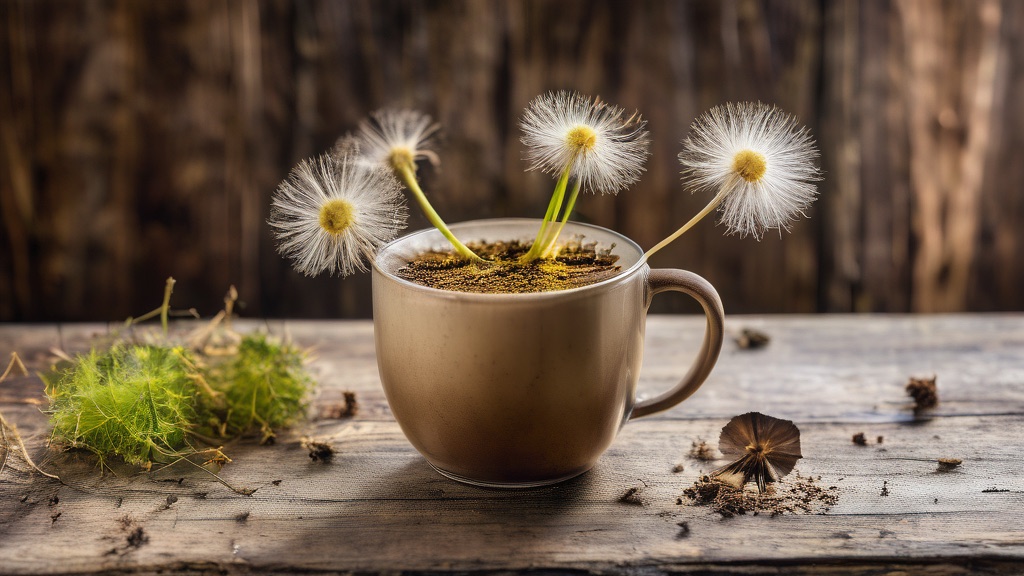
Dandelion (Taraxacum officinale) is a flowering plant in the Asteraceae (daisy) family, native to Europe and now common across the temperate Northern Hemisphere. Nearly every part is edible: the leaves are eaten as bitter greens, the yellow flowers are used in wines and jellies, and the root — the focus here — is dried for teas, roasted as a coffee substitute, or extracted into capsules and tinctures.
The root is not just fiber and filler. Phytochemical reviews describe it as rich in phenolic compounds, flavonoids, sesquiterpene lactones (the source of its characteristic bitterness), triterpenes, sterols, potassium, and inulin, a type of prebiotic fiber that can make up a large share of the root’s dry weight, especially in autumn-harvested roots. That inulin content is one of the more scientifically interesting things about dandelion root, and we will come back to it.
Traditional uses vs. actual evidence
In traditional European and Asian herbalism, dandelion root earned a specific reputation. Its bitterness made it a classic “digestive bitter,” thought to stimulate appetite and bile flow. It was used as a “liver tonic” to support digestion of fats, and as a diuretic — so much so that one of its old folk names in French, pissenlit, literally references bed-wetting.
Here is the honest gap: a long history of use tells us the plant is broadly tolerated and that people found it useful, but tradition is not proof of clinical benefit. When researchers went looking for rigorous human trials, they found very few. Most of what supports dandelion’s modern health claims comes from test-tube (in vitro) and animal (rodent) studies. Those are a reasonable starting point for hypotheses, but effects in a petri dish or a mouse frequently fail to reproduce in humans at realistic doses. The U.S. National Center for Complementary and Integrative Health (NCCIH) puts it bluntly: there is no compelling scientific evidence supporting the use of dandelion for any specific health condition.
What the research really shows
Let’s get specific about the three claims with the most substance behind them: the diuretic effect, the prebiotic fiber, and the antioxidants.
Mild diuretic effect (some human data). The single most-cited human study is a 2009 pilot trial by Clare and colleagues in the Journal of Alternative and Complementary Medicine. Seventeen volunteers took a dandelion leaf extract three times in one day. The researchers recorded a statistically significant increase in urination frequency in the five hours after the first dose, and an increase in the excretion ratio (urine out relative to fluid in) after the second dose. That is real, but keep it in perspective: it was a small, short, unblinded pilot with no placebo group, relying on self-reported measurements — and it used the leaf, not the root. The authors themselves called for a larger double-blind placebo-controlled trial. So “dandelion is a mild diuretic” is plausible and has a toe-hold in human evidence, but it is far from settled science.
Prebiotic inulin (mechanistically promising). The inulin in dandelion root is a genuine prebiotic fiber — the kind of fiber that gut bacteria ferment. Prebiotics like inulin are well established (from other sources such as chicory) to feed beneficial gut microbes and support digestion. It is reasonable to expect dandelion root’s inulin to behave similarly, and this overlaps with the wider science of feeding the microbiome — an area also explored with next-generation probiotics like Akkermansia muciniphila. That said, most human prebiotic research uses purified inulin, not whole dandelion root, so the specific benefit of a cup of dandelion tea is more inference than proof.
Antioxidants and anti-inflammatory activity (mostly preclinical). Reviews such as González-Castejón and colleagues (2012, Nutrition Reviews) catalog a wide range of activities — antioxidant, anti-inflammatory, hepatoprotective, antidiabetic — driven by the plant’s polyphenols and flavonoids. The catch is that nearly all of that comes from lab and animal models. Interesting? Yes. Proven in humans? Not yet. The claim-versus-evidence table below summarizes where each stands.
| Claim | Evidence level | Honest verdict |
|---|---|---|
| Mild diuretic (“water pill”) | One small human pilot (leaf); traditional use | Plausible, modest effect; needs better trials |
| Prebiotic / gut support (inulin) | Strong for inulin generally; little on whole dandelion root | Reasonable, but inferred from the fiber, not the herb itself |
| Antioxidant / anti-inflammatory | Test-tube and animal studies | Promising signals, unproven in people |
| Digestive bitter / bile stimulation | Traditional use; limited data | May aid some people’s digestion; not well quantified |
| “Detoxes” or “cleanses” the liver | No good human evidence | Not supported — a marketing claim, not a proven effect |
| Blood sugar control | Mostly animal studies | Interesting but unproven in humans |
| Cancer prevention/treatment | Cell-line studies only | Do not rely on it; no clinical evidence |
The “detox / liver cleanse” myth
This deserves its own section because it is the biggest marketing claim and the weakest one. Dandelion root is sold everywhere as a way to “detox,” “cleanse,” or “flush” the liver. It sounds intuitive — bitter herb, bile flow, liver support — but it does not hold up.
Two honest points. First, the human body is not a clogged drain. Your liver and kidneys continuously neutralize and excrete waste and metabolites as their normal job; there is no scientific evidence that a healthy person needs an herbal “cleanse” to make that happen, and no clinical trial shows dandelion improving liver detoxification in people. Second, most of the “liver protective” (hepatoprotective) findings for dandelion come from rodents given liver-damaging chemicals — a very different situation from a healthy human drinking tea. So while dandelion may modestly stimulate bile flow and could aid digestion for some, the leap from that to “cleanses your liver” is exactly the kind of overreach YMYL health content should call out. If you have actual liver concerns, that is a conversation for a doctor, not a detox tea. The broader lesson mirrors what we have written about other over-hyped “natural” fixes, such as the way berberine gets marketed as “nature’s Ozempic”: real compounds, inflated promises.
Nutrition and forms
As a whole food, dandelion is legitimately nutritious — the greens deliver vitamins A, C, and K plus minerals, and the root supplies inulin fiber and potassium. You will find dandelion root sold in several forms, and they are not interchangeable:
- Tea (dried root): The gentlest, most traditional way to use it. Contains inulin and water-soluble compounds; a mild bitter flavor.
- Roasted root “coffee”: The root is roasted until dark, then brewed. It is caffeine-free with a toasty, slightly bitter, coffee-like taste — popular as a coffee swap, though the roasting reduces some heat-sensitive compounds.
- Capsules / powder: More concentrated and convenient, but potency varies widely between brands and is rarely standardized.
- Tinctures / liquid extracts: Alcohol- or glycerin-based concentrates; fast to dose but also variable.
Because supplements are not tightly regulated for potency, the actual amount of active compounds in a capsule or tincture can differ a lot from the label. Tea and roasted root are the lowest-risk ways to try it.
Dosage
There is no established, evidence-based therapeutic dose for dandelion root, precisely because rigorous human trials are lacking. Traditional and product-label ranges commonly cited include roughly 2–8 grams of dried root per day (often brewed as tea), or tinctures and extracts per the manufacturer’s directions. Food-level amounts — a cup or two of tea — are considered likely safe for most healthy adults.
Practical guidance: start low, use food-style amounts rather than megadoses, and do not treat a bottle’s “detox” instructions as medically validated. More is not better here, especially given the diuretic effect and drug-interaction potential covered next. If you are considering dandelion for a specific health goal — blood sugar, digestion, fluid balance — talk to a clinician first, particularly since some conditions like managing blood sugar are better addressed through evidence-based diet and lifestyle changes, as we discuss with foods like okra for diabetes.
Safety, side effects, and interactions
Dandelion in food amounts is considered likely safe for most people, and tea is generally well tolerated. But “natural” does not mean “risk-free,” and there are specific groups who should be careful. This section matters more than any benefit claim.
- Allergy (Asteraceae / ragweed family): Dandelion belongs to the same plant family as ragweed, mugwort, chrysanthemums, marigolds, and daisies. People allergic or sensitive to these plants may react to dandelion. Topical contact can cause skin reactions in sensitive individuals, including those with eczema.
- Diuretic and blood-pressure medications: Because dandelion may have a mild diuretic (“water pill”) effect, combining it with prescription diuretics or blood-pressure medicine could compound fluid and electrolyte loss. Use caution and check with your prescriber.
- Lithium: By increasing urine output, dandelion may reduce how much lithium the body clears, potentially raising lithium levels toward toxicity. If you take lithium, avoid dandelion supplements unless your doctor approves.
- Gallbladder and bile-duct problems: Dandelion is thought to stimulate bile flow. If you have gallstones, a bile-duct obstruction, or another gallbladder disorder, that increased bile flow can trigger pain or complications — avoid unless cleared by a doctor.
- Blood sugar and blood-thinning medications: There are theoretical interactions with antidiabetes drugs (possible added blood-sugar lowering) and with anticoagulant/antiplatelet drugs (bleeding risk). Monitor closely and consult your clinician.
- Pregnancy and breastfeeding: Little is known about the safety of amounts larger than found in food during pregnancy or nursing. Avoid concentrated supplements and high doses to be safe.
The consistent message from the NCCIH is simple: if you take any medications, talk with your healthcare provider before using dandelion, because herbs and drugs can interact in harmful ways.
The bottom line
Dandelion root is a nutritious, historically important plant with a couple of real but modest effects — a mild diuretic action seen in one small human pilot, and a genuine prebiotic fiber (inulin) that plausibly supports gut bacteria. Most of its other advertised benefits sit at the test-tube and animal stage, and the headline “detox / liver cleanse” claim is not backed by good human evidence. It is generally safe as tea or food for healthy people, but it carries real interaction risks for anyone on diuretics, lithium, blood-sugar or blood-thinning medication, or with gallbladder issues, and it should be used cautiously in pregnancy. Enjoy it as a pleasant, bitter, caffeine-free tea if you like it — just do not expect it to cleanse an organ that already cleanses itself.
Frequently Asked Questions
What is dandelion root good for?
Its best-supported uses are as a mild diuretic (backed by one small human pilot study and long traditional use) and as a source of inulin, a prebiotic fiber that may feed beneficial gut bacteria. It is also used traditionally as a digestive bitter. Broader claims about detox, blood sugar, or disease prevention rest mostly on test-tube and animal studies, not human trials.
Does dandelion root detox the liver?
No good human evidence supports this. Your liver and kidneys already detoxify the body continuously as their normal function, and no clinical trial shows dandelion improving detoxification in healthy people. Most “liver protective” findings come from rodents given liver-damaging chemicals. “Detox” and “cleanse” are marketing terms, not proven effects.
Is dandelion root a diuretic?
It appears to have a mild diuretic effect. A 2009 pilot study in humans found increased urination frequency and volume after taking a dandelion leaf extract. However, the study was small, short, and unblinded, and used the leaf rather than the root — so the effect is plausible and modest, not firmly established.
How much dandelion root should I take?
There is no established evidence-based therapeutic dose. Traditional and label ranges are roughly 2–8 grams of dried root daily, often as tea, or extracts per the product’s directions. Food-level amounts like a cup or two of tea are considered likely safe for most healthy adults. Start low, and check with a clinician if you take any medications.
Are there side effects of dandelion root?
In food and tea amounts it is generally well tolerated. Possible side effects include allergic reactions (especially in people sensitive to ragweed and related plants), increased urination from its diuretic effect, and skin reactions from topical contact. Higher supplement doses are less studied, so effects are less predictable.
Who should not take dandelion root?
Be cautious or avoid it if you are allergic to plants in the daisy/ragweed family, take lithium, diuretics, or blood-pressure medication, have gallstones or a bile-duct obstruction, take blood-sugar or blood-thinning drugs, or are pregnant or breastfeeding (in amounts beyond food). Always consult your healthcare provider first if you take any medications.
Is dandelion root tea good for you?
For most healthy people, dandelion root tea is a low-risk, caffeine-free beverage that supplies some inulin fiber and a pleasant bitter flavor. It is a reasonable coffee alternative. Just keep expectations realistic — enjoy it as a tea rather than as a proven remedy or “detox,” and be mindful of the medication interactions above.
The Bottom Line
Dandelion root is a genuinely nutritious plant with deep traditional roots and a handful of real, modest effects: a mild diuretic action and a useful prebiotic fiber. But the gap between the marketing (“detox,” “liver cleanse,” “natural water pill”) and the human evidence is wide — most benefits are preclinical or traditional, not proven in people. It is safe enough as tea or food for most, risky for a specific few on certain medications, and best approached with honest, modest expectations. Treat it as a nice bitter tea, not a cure. This article is educational information, not medical advice — talk to a qualified professional about your own situation.
Sources
- Clare BA, Conroy RS, Spelman K. The diuretic effect in human subjects of an extract of Taraxacum officinale folium over a single day. J Altern Complement Med. 2009;15(8):929-934.
- González-Castejón M, Visioli F, Rodriguez-Casado A. Diverse biological activities of dandelion. Nutrition Reviews. 2012;70(9):534-547.
- National Center for Complementary and Integrative Health (NCCIH). Dandelion: Usefulness and Safety.
- A comprehensive review of the benefits of Taraxacum officinale on human health. Bulletin of the National Research Centre. 2021.
- Schütz K, Carle R, Schieber A. Taraxacum — a review on its phytochemical and pharmacological profile. J Ethnopharmacol. 2006.