Creatine for the Aging Brain: What the New 2026 Review Actually Shows
Creatine has spent three decades as the gym world’s most-researched supplement. In 2026 it is having a second act—this time as a candidate for protecting the aging brain. A new systematic review in Nutrition Reviews pulled together the human evidence on creatine and cognition in older adults, and the wellness internet promptly turned it into “creatine makes you smarter.” As is usually the case, the real story is more interesting, more useful, and more honest than the headline.
Here is what the research actually shows, where the hype outruns the data, and who is genuinely most likely to benefit.
What the New 2026 Review Found
The 2026 review set out to answer a specific question: does creatine supplementation improve cognition in people over roughly 60? Its central observation echoes an earlier 2023 meta-analysis by Prokopidis and colleagues, also published in Nutrition Reviews: creatine supplementation improved memory performance in healthy adults, and the effect was concentrated in older adults aged 66–76, with no meaningful benefit detected in younger people (roughly 11–31 years).
That age split is the single most important finding, and it makes biological sense. Younger brains generally have ample creatine stores from diet and internal synthesis. Older brains—like older muscles—tend to run with less metabolic reserve, so topping up the system is more likely to register as a measurable change.
Why Creatine Would Touch the Brain at All
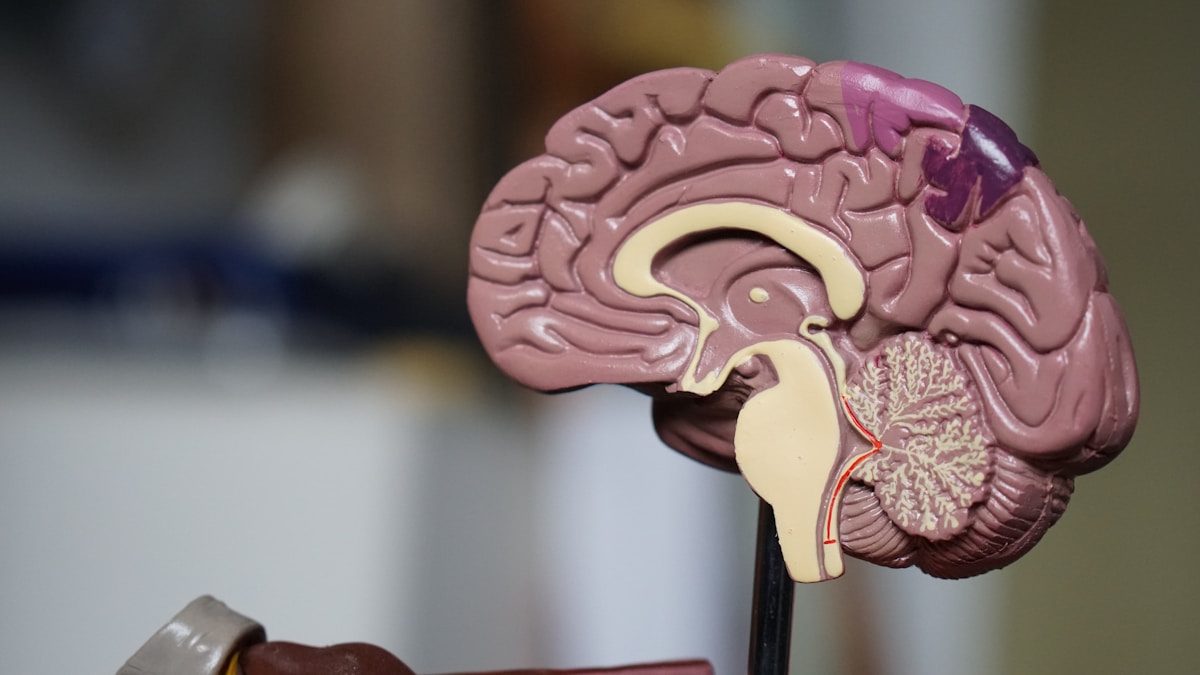
Most people associate creatine strictly with biceps, so its presence in the brain surprises them. But the brain is one of the most energy-hungry organs in the body, and creatine is fundamentally an energy-buffering molecule. The creatine–phosphocreatine system rapidly regenerates ATP, the cell’s energy currency, during bursts of high demand—exactly the kind of demand a neuron faces during intense thinking, stress, or sleep loss.
This is the heart of the “muscle–brain axis” idea now appearing across the 2026 literature: the same metabolic support that helps an aging muscle contract may help an aging neuron keep firing efficiently. It is also why creatine’s cognitive effects show up most clearly when the brain is stressed—a point we will return to.
The Evidence, Read Honestly
This is where a careful expert read diverges from the headlines. The evidence is promising, but it is not airtight, and pretending otherwise does readers a disservice.
- Memory in older adults: The Prokopidis 2023 meta-analysis (PMID 35984306) reported improved memory, strongest in the 66–76 group. Crucially, that paper later drew a published Letter to the Editor arguing that double-counting in the statistics may have produced false-positive findings. The authors replied, but the episode is a reminder to treat a single meta-analysis as a starting point, not a verdict.
- Working memory and reasoning: An influential 2003 crossover trial by Rae and colleagues (PMID 14561278) gave vegetarians 5 g/day for six weeks and found significant gains in working memory and reasoning speed (p < 0.0001). Notably, the participants were vegetarians—people who start with lower creatine stores because they eat no meat.
- Under stress and sleep loss: Studies of sleep-deprived subjects show creatine blunts the cognitive decline that comes with missing sleep, and newer brain-imaging work suggests a single high dose can shift cerebral energy phosphates and processing speed during sleep deprivation.
- The broader picture: A 2024 systematic review and meta-analysis of creatine and cognition in adults (PMID 39070254) found signals of benefit for memory and some attention measures, but with meaningful variability between studies.
Read together, a consistent pattern emerges: creatine helps cognition most when the brain’s baseline is low or strained—older age, a meat-free diet, sleep deprivation—and least in well-rested young people running on full stores.
The Dosing Catch Nobody Mentions
There is a practical wrinkle the headlines skip. The standard 3–5 g/day dose that saturates muscle does not necessarily saturate the brain. Brain creatine uptake is slower and more limited, and several researchers argue that meaningfully raising brain creatine may require higher doses or longer durations than the muscle protocol. In other words, some “negative” cognition studies may have simply under-dosed the brain. This is an open question, not a settled one—and a good reason to be skeptical of confident claims in either direction.
Who Is Most Likely to Benefit
Based on the current evidence, the people most likely to see a cognitive return on creatine are:
- Older adults, especially those already using creatine for muscle and bone health—the group where the data are strongest.
- Vegetarians and vegans, who have lower dietary creatine intake and the most room to gain.
- The sleep-deprived and acutely stressed, where creatine appears to protect performance rather than boost a rested baseline.
If you are a well-rested young omnivore hoping creatine will sharpen an already-sharp mind, the honest expectation is little to no measurable cognitive change—though you may still benefit in the gym.
The Stronger Case: Muscle, Bone, and the Aging Body
Here is the expert reframing that matters most. The cognitive evidence is emerging and debated; the evidence that creatine helps aging muscle and strength—particularly when combined with resistance training—is far more established. For older adults worried about frailty, falls, and losing leg strength with age, that is arguably the headline benefit, with any cognitive upside as a bonus. The muscle–brain axis cuts both ways: staying strong is itself one of the best-documented ways to protect the aging brain.
If your interest is specifically cognitive support, it is worth comparing creatine with other evidence-graded options—for example, the clinical data behind lion’s mane dosing for cognition—rather than expecting any single supplement to do the heavy lifting.
How to Take It, If You Choose To
Creatine monohydrate remains the most-studied and cheapest form. A typical protocol is 3–5 g/day, taken consistently; a loading phase is optional and mainly speeds muscle saturation. It is among the most thoroughly safety-tested supplements available, with the main caveat that people with kidney disease should consult a physician first, and everyone should expect a small, harmless increase in body water early on.
Frequently Asked Questions
Does creatine really improve memory?
In older adults, the current evidence suggests a modest improvement in memory; in healthy young adults, most studies show little to no effect. The strongest supporting meta-analysis has also been criticized on statistical grounds, so the honest answer is “probably a small benefit for some people, not a dramatic one.”
How much creatine should I take for brain benefits?
Most cognitive studies used 5 g/day. Because the brain takes up creatine more slowly than muscle, some researchers think higher or longer dosing may be needed for clear brain effects, but 3–5 g/day of creatine monohydrate is the standard, well-tolerated starting point.
How long does creatine take to affect cognition?
Muscle stores saturate within days to a few weeks; cognitive trials generally ran for several weeks to a few months. Acute effects appear mainly under stress, such as sleep deprivation, rather than in everyday rested conditions.
Is creatine safe for older adults?
Creatine is one of the most safety-tested supplements, and older adults are a key group studied for muscle and bone benefits. People with existing kidney disease should check with a doctor before starting.
Who benefits most from creatine for the brain?
Older adults, vegetarians and vegans, and people who are sleep-deprived or under high mental stress—essentially, anyone whose baseline brain creatine is likely lower than optimal.
Is creatine better for muscles or the brain?
The muscle and strength benefits, especially combined with resistance training, are far better established than the cognitive ones. For most people, creatine is a strength-and-aging supplement that may offer a modest cognitive bonus.
The Bottom Line
The 2026 review does not show that creatine makes you smarter. It shows something more grounded: in aging brains—and in people whose creatine stores are low to begin with—a cheap, safe, decades-old supplement may offer a modest memory benefit, most reliably when the brain is under strain. Pair it with resistance training, keep your expectations calibrated, and treat anyone promising a cognitive transformation with the same skepticism the data deserve.
Sources
- “Creatine and Cognition in Aging: A Systematic Review of Evidence in Older Adults.” Nutrition Reviews, 2026. PMC12793482
- Prokopidis K, et al. “Effects of creatine supplementation on memory in healthy individuals: a systematic review and meta-analysis of randomized controlled trials.” Nutrition Reviews, 2023. PMID 35984306
- Letter to the Editor (statistical critique of Prokopidis et al.). Nutrition Reviews, 2023. PMID 36644917
- Rae C, et al. “Oral creatine monohydrate supplementation improves brain performance: a double-blind, placebo-controlled, cross-over trial.” Proceedings of the Royal Society B, 2003. PMID 14561278
- “The effects of creatine supplementation on cognitive function in adults: a systematic review and meta-analysis.” 2024. PMID 39070254