Vitamin D: Should You Take It? What the Big Trials Actually Found
Vitamin D became the supplement everyone was told to take, blamed for everything from cancer to infections and prescribed almost reflexively. Then a wave of large, rigorous trials arrived and complicated the story dramatically. Vitamin D is real and important, but the evidence for swallowing high doses to prevent disease is far weaker than the hype suggested. Here is what the big trials actually found and what to do about it.
Why Everyone Started Taking Vitamin D
Vitamin D regulates calcium and bone health, and low blood levels were found to be common and associated, in observational studies, with higher rates of cancer, heart disease, infections, and death. The logic seemed obvious: if low vitamin D tracks with disease, supplementing should prevent it. That reasoning drove a global surge in testing and supplementation, but association is not causation, and only randomized trials could settle whether the pills actually help.
The Key Distinction: Deficiency vs Supplementation
This is the heart of the matter and the source of most confusion. There is no doubt that genuine vitamin D deficiency is harmful and that correcting it is beneficial, especially for bone health. The real question the trials tested is different: does giving extra vitamin D to people who are not deficient prevent disease? Those are two very different questions, and conflating them is why the topic feels so contradictory.
The VITAL Trial: Cancer and Heart Disease
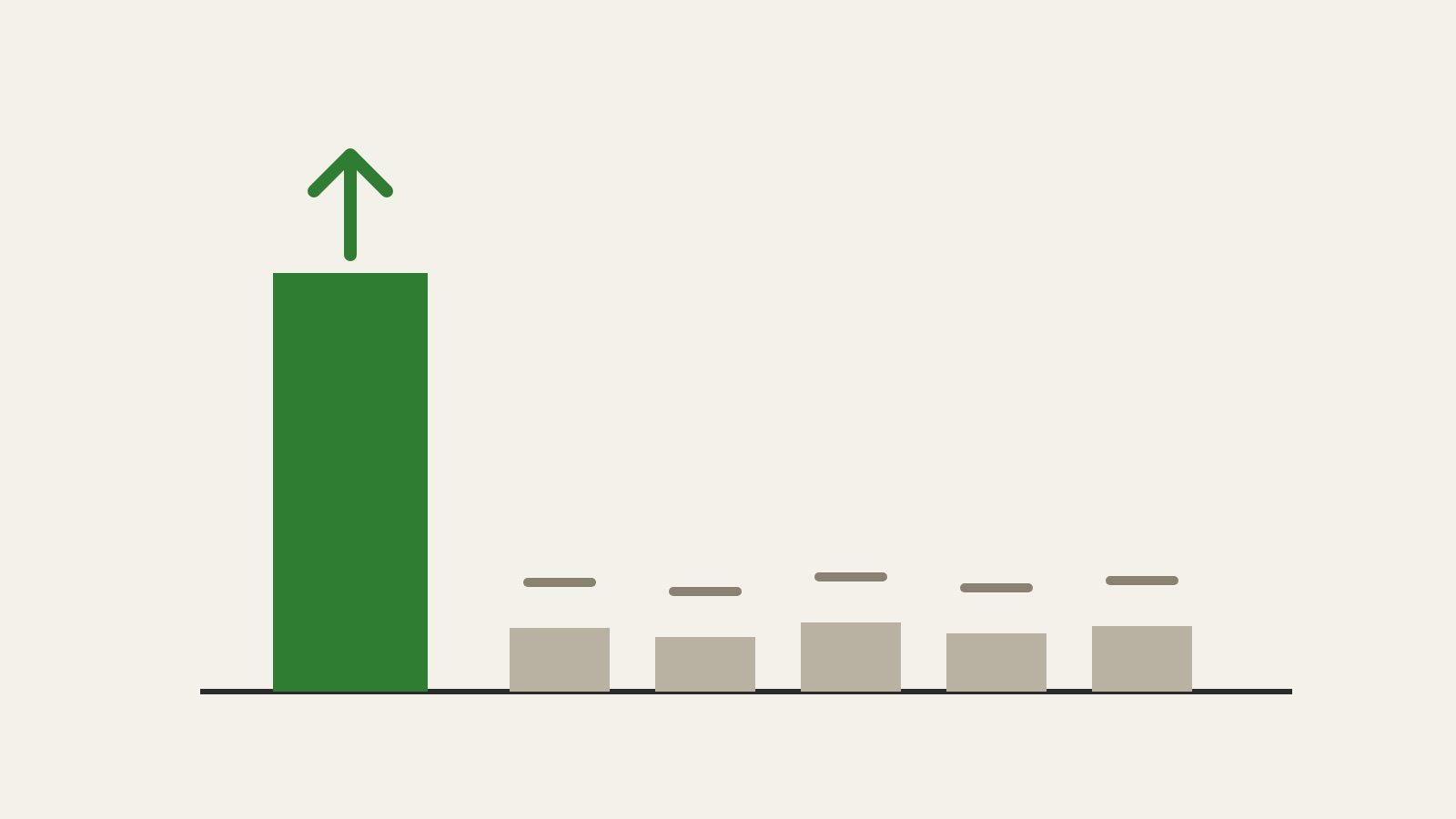
The landmark VITAL trial (Manson et al., 2019) in the New England Journal of Medicine randomized nearly 26,000 US adults to 2,000 IU/day of vitamin D3 or placebo for about five years. The result was sobering for enthusiasts: vitamin D did not significantly reduce the rate of invasive cancer or major cardiovascular events compared with placebo, and it did not lower overall mortality. For a generally healthy, largely non-deficient population, routine vitamin D simply did not prevent these major diseases.
The Fracture Trials
Surely vitamin D at least prevents fractures? A 2022 analysis of VITAL by LeBoff and colleagues, also in the NEJM, tested exactly this in midlife and older adults not selected for deficiency or osteoporosis. Supplemental vitamin D did not reduce total, hip, or other fractures versus placebo. Combined with earlier studies, the message is that for healthy adults with adequate levels, extra vitamin D does not meaningfully protect bones.
So Who Actually Benefits?
The people who clearly benefit are those who are genuinely deficient or at high risk of it: older adults with little sun exposure, people with darker skin at higher latitudes, those who are housebound or institutionalized, people with malabsorption conditions, and anyone with diagnosed low levels. For them, correcting deficiency supports bone health and prevents the diseases of severe deficiency. The trials do not undercut this; they undercut the idea that everyone needs high-dose vitamin D regardless of their status.
How Much Do You Need?
For most adults, the recommended dietary intake is 600 IU/day, rising to 800 IU for those over 70, amounts aimed at maintaining bone health. People correcting a diagnosed deficiency may need more, temporarily and under guidance. More is not better: very high doses do not add benefit and, in some trials, higher doses were associated with more falls or fractures, a reminder that supplements have a dose-response curve and a ceiling.
Can You Take Too Much?
Yes. Because vitamin D is fat-soluble, it accumulates, and excessive intake can cause toxicity, raising blood calcium to dangerous levels and harming the kidneys and heart. This is rare but real, almost always from over-supplementation rather than sun or food. Mega-doses sold online as cure-alls are exactly the wrong move; staying near recommended amounts, unless a doctor directs otherwise for a deficiency, is both safer and just as effective.
Should You Get Tested?
Routine testing of everyone is not recommended and is not a good use of resources, but targeted testing makes sense if you have risk factors for deficiency or symptoms that could fit, such as bone pain or muscle weakness. If a test shows you are low, supplementing to correct it is worthwhile; if your level is adequate, piling on more vitamin D is unlikely to help and carries the small risk above.
Food, Sun, and the Sensible Approach
Your skin makes vitamin D from sunlight, and modest, sensible sun exposure contributes meaningfully for many people, balanced against skin-cancer risk. Food sources include oily fish, egg yolks, and fortified dairy and cereals, the same oily fish that supplies the omega-3s discussed elsewhere. For most people the sensible approach is adequate intake from sun and food, a modest supplement in winter or if at risk, and testing only when there is a reason.
Common Mistakes
The biggest mistakes are taking very high doses in the belief that more prevents disease, assuming vitamin D will ward off cancer or heart disease (the large trials say it does not in healthy people), and ignoring a genuine deficiency that does warrant treatment. The goal is adequacy, not saturation.
The Bottom Line
Vitamin D matters, and fixing a real deficiency is clearly worthwhile. But the largest randomized trials are consistent and humbling: for healthy, non-deficient adults, routine vitamin D does not prevent cancer, heart disease, or fractures. Aim for adequacy through sun, food, and a modest supplement if you are at risk, get tested if you have reason to, and let go of the idea that a high-dose vitamin D pill is a shield against disease. It is a correction for a deficiency, not a cure-all.
Why the Hype Got Ahead of the Evidence
Vitamin D is a textbook example of how observational associations can mislead. Because sick and inactive people tend to have low vitamin D (they are indoors more and less healthy overall), low levels looked like a cause of disease when they were often a marker of it. Healthier people are outdoors, more active, and have higher vitamin D, so their better outcomes got wrongly credited to the vitamin. Only large randomized trials could untangle cause from coincidence, and when they did, much of the supposed magic evaporated. It is a useful cautionary tale for every “low levels are linked to disease” headline.
The Practical Takeaway
So where does this leave a sensible person? Do not panic-supplement with high doses hoping to prevent cancer or heart disease; the best evidence says that does not work in healthy people. Do make sure you are not deficient, especially if you have risk factors, and correct a low level if you have one. Get a reasonable amount from sunlight and food, add a modest supplement in winter or if you are at risk, and save your attention and money for the lifestyle factors, exercise, diet, not smoking, that the evidence actually supports for preventing disease. None of this diminishes vitamin D’s genuine importance for bone and muscle health; it simply puts it in proportion. Adequate is the goal, deficiency is the problem to fix, and more is not better.
Frequently Asked Questions
Should I take a vitamin D supplement?
If you are deficient or at high risk (limited sun, older age, darker skin at high latitude), yes. If your levels are adequate, a modest amount is fine but high doses are unlikely to add benefit.
Does vitamin D prevent cancer or heart disease?
In the large VITAL trial of nearly 26,000 healthy adults, vitamin D did not reduce cancer or major cardiovascular events compared with placebo. It is not a disease-prevention pill for non-deficient people.
Does vitamin D prevent fractures?
In healthy adults not selected for deficiency, randomized trials found no reduction in fractures. Correcting a true deficiency still supports bone health.
How much vitamin D should I take?
Most adults need 600 IU/day, or 800 IU over age 70. Correcting a diagnosed deficiency may require more temporarily under medical guidance. Very high doses are not better and may carry risk.
Can you take too much vitamin D?
Yes. As a fat-soluble vitamin it can accumulate and, in excess, cause toxicity with dangerously high calcium. This almost always comes from over-supplementing, not sun or food.
Do I need a vitamin D test?
Not routinely for everyone, but testing is reasonable if you have risk factors or relevant symptoms. Supplement to correct a low result; if you are adequate, more is not helpful.
Sources
- Manson JE, et al. “Vitamin D supplements and prevention of cancer and cardiovascular disease (VITAL).” New England Journal of Medicine, 2019. PMID 30415629
- LeBoff MS, et al. “Supplemental vitamin D and incident fractures in midlife and older adults.” New England Journal of Medicine, 2022. PMID 35939577
- Manson JE, et al. “Principal results of the VITamin D and OmegA-3 TriaL (VITAL) and updated meta-analyses of relevant vitamin D trials.” PMC7089819