Beetroot Juice for Blood Pressure and Endurance: Does It Work?
Most supplements that promise to lower blood pressure or boost athletic performance do neither. Beetroot juice is a rare exception: it has solid randomized evidence behind both claims, thanks to a simple compound, dietary nitrate. But the effect depends on getting enough, and there is a genuinely strange catch involving your mouthwash. Here is how beetroot actually works and how to use it.
How Beetroot Works: The Nitrate Pathway
Beets are exceptionally rich in dietary nitrate. When you consume it, bacteria on your tongue convert nitrate to nitrite, which the body then turns into nitric oxide, a molecule that relaxes and widens blood vessels. Wider, more relaxed vessels mean lower blood pressure and improved blood and oxygen delivery to muscles. This nitrate-to-nitric-oxide pathway is the entire basis for beetroot’s two evidence-backed benefits.
The Blood Pressure Evidence
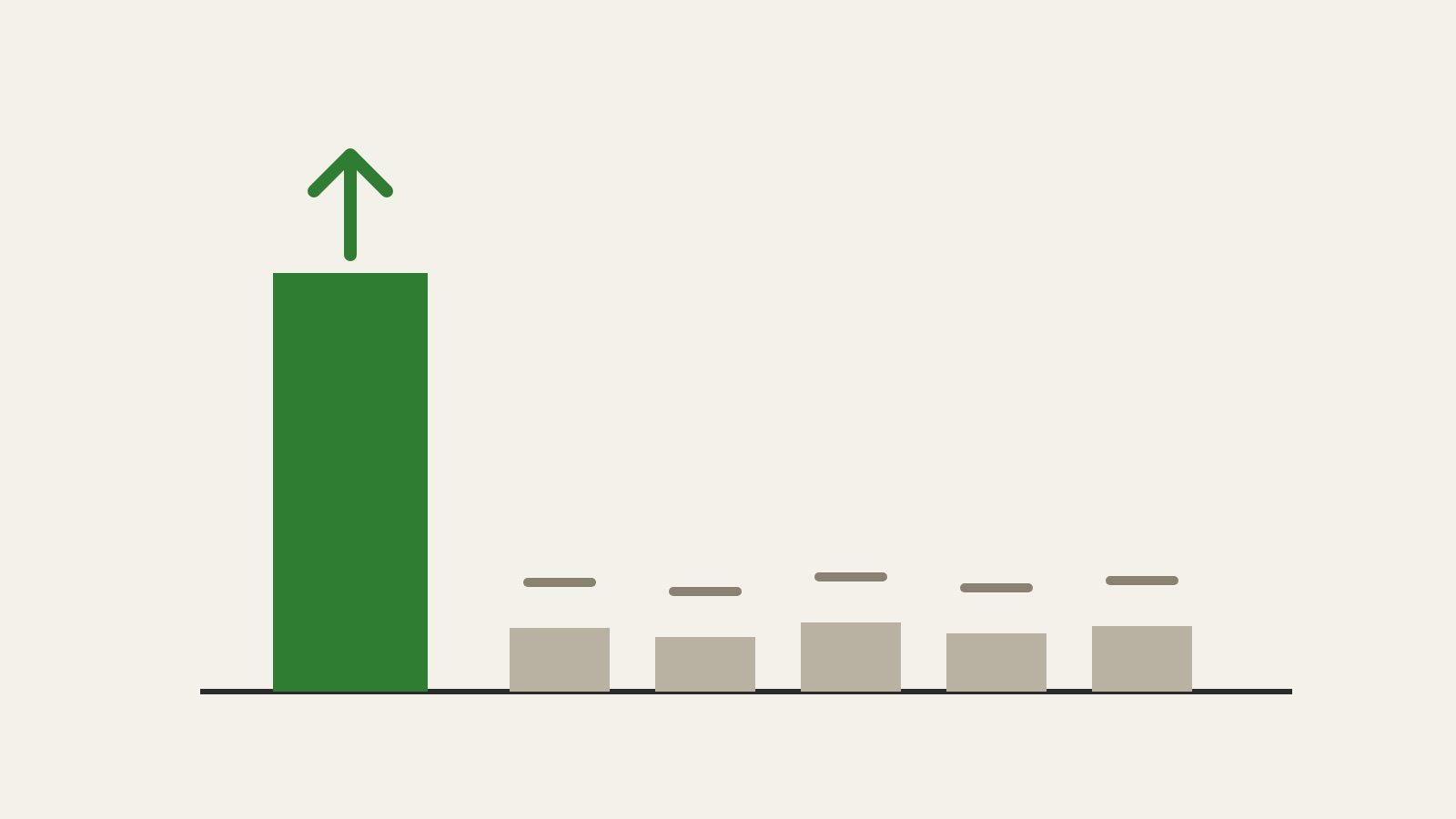
This is beetroot’s strongest claim. A 2013 systematic review and meta-analysis by Siervo and colleagues in the Journal of Nutrition, pooling randomized trials, found that inorganic nitrate and beetroot juice reduced systolic blood pressure by about 4.4 mmHg, with a dose-dependent effect. That may sound small, but a sustained 4 to 5 mmHg drop is clinically meaningful at a population level, comparable to some lifestyle changes and enough to lower cardiovascular risk. Later trials confirm the effect, especially in people with elevated blood pressure.
The Endurance Evidence
Beetroot is also a legitimately studied performance aid. By improving the efficiency of oxygen use in muscle, dietary nitrate can modestly improve endurance and time-to-exhaustion, particularly in recreational and sub-elite athletes; highly trained elites tend to respond less, possibly because their bodies are already nitrate-optimized. The gains are small but real, which is why beetroot shots are common in endurance sports.
Dose and Timing
The benefit depends on getting enough nitrate, roughly 300 to 600 mg, which means a concentrated beetroot “shot” (about 70 ml of concentrate) or around 500 ml of beetroot juice, not a few slices of beet on a salad. For acute effects, blood pressure and nitric oxide peak about 2 to 3 hours after intake, so athletes typically take it 2 to 3 hours before competition, while for blood pressure, regular daily intake produces the sustained benefit.
The Mouthwash Catch
Here is the genuinely surprising part. Because the first step of the pathway relies on bacteria in your mouth converting nitrate to nitrite, using antibacterial mouthwash can abolish beetroot’s blood-pressure benefit by wiping out those helpful bacteria. Studies have shown that people who rinse with antiseptic mouthwash lose much of the nitrate effect. If you are using beetroot for blood pressure, reconsider daily antibacterial mouthwash, a detail almost no one mentions.
Beeturia: Harmless but Alarming
A common surprise with beetroot is beeturia, pink or red urine (and sometimes stool) after eating beets. It is completely harmless, caused by pigments called betalains, and affects some people more than others. It is worth knowing about so a startling trip to the bathroom does not send you to the emergency room.
Food vs Supplement
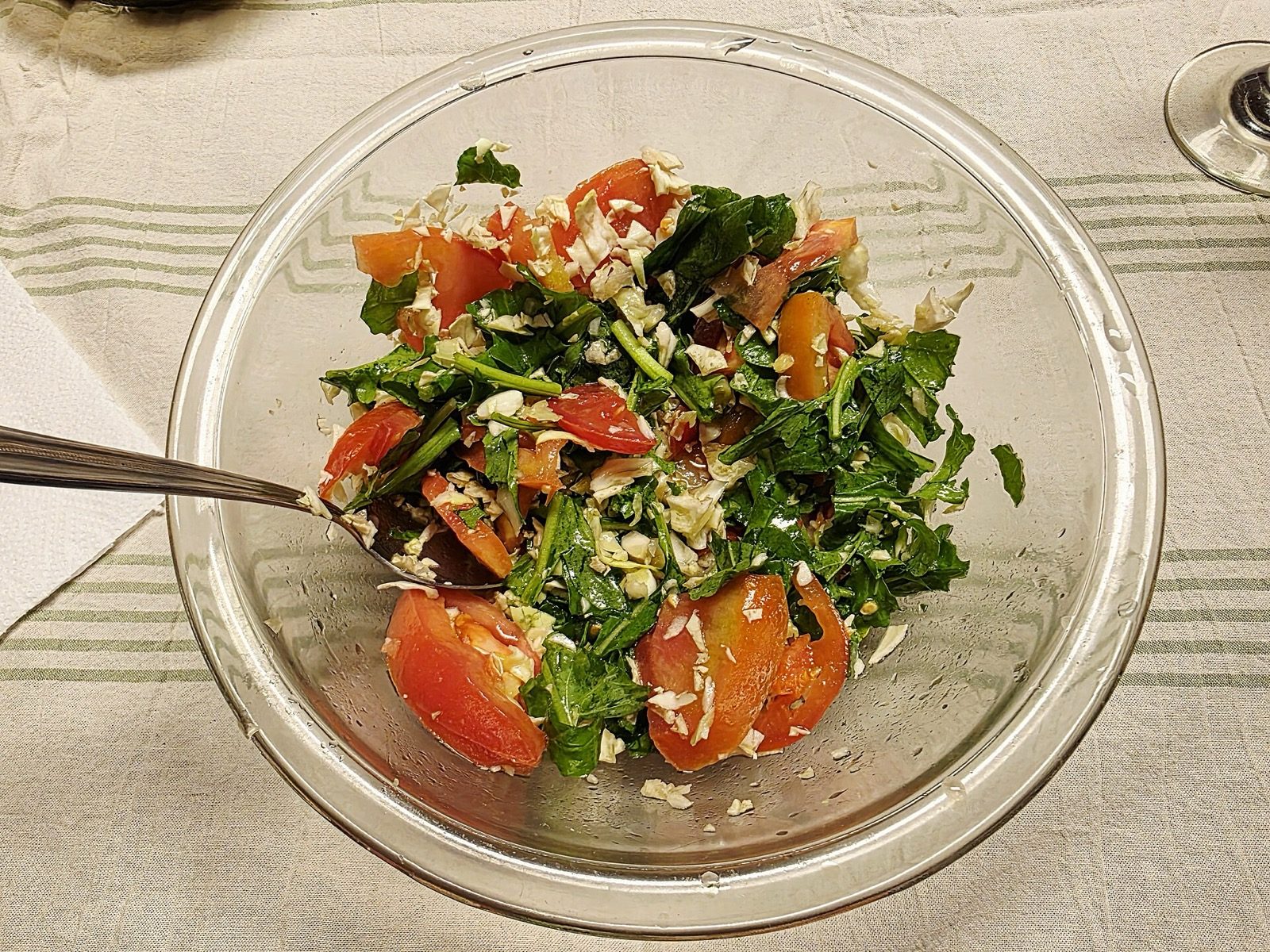
You can get nitrate from food, beets, but also leafy greens like spinach, arugula, and lettuce are excellent sources, which is part of why vegetable-rich diets support healthy blood pressure. Concentrated beetroot juice or shots simply deliver a reliable, high dose conveniently. For general health, a nitrate-rich diet is the foundation; for a targeted blood-pressure or performance effect, a measured juice or shot is the practical tool.
Who Might Benefit
- People with elevated blood pressure, as an evidence-backed addition to (not replacement for) lifestyle and any prescribed treatment.
- Recreational endurance athletes looking for a small, legal performance edge.
- Older adults, in whom nitric oxide production declines and blood-flow benefits may be especially useful.
Safety and Cautions
Beetroot juice is generally very safe, with beeturia and occasional digestive upset the main quirks. Two cautions: beets are high in oxalate, so people prone to calcium-oxalate kidney stones should be moderate, and if you take blood-pressure medication, adding a blood-pressure-lowering juice should be discussed with your doctor to avoid going too low. It is food, but its effect on blood pressure is real enough to coordinate with treatment.
Common Mistakes
The mistakes that make beetroot “not work” are using too little (a garnish, not a real nitrate dose), expecting instant results when blood-pressure benefits build with regular intake, undermining it with antibacterial mouthwash, and treating it as a replacement for prescribed blood-pressure medication rather than a complement. Used properly, it is one of the few foods with a genuine, measurable cardiovascular effect.
The Bottom Line
Beetroot juice is that rare supplement that does what it says, within limits. Its dietary nitrate reliably lowers systolic blood pressure by around 4 to 5 mmHg and can give a small endurance boost, provided you take enough and do not wipe out your oral bacteria with antiseptic mouthwash. It is not a cure for hypertension and should complement, not replace, medical care, but as a food-based tool with real cardiovascular evidence, beetroot earns its place.
Beetroot vs Other Natural Blood-Pressure Approaches
Beetroot is one tool among several, and it helps to see it in context. The interventions with the strongest evidence remain the unglamorous fundamentals: losing excess weight, regular physical activity, reducing sodium, eating more potassium-rich produce, limiting alcohol, and managing stress and sleep. Dietary patterns like DASH and the Mediterranean diet, rich in vegetables including the nitrate-containing leafy greens that work the same way as beets, lower blood pressure meaningfully. Beetroot juice is best understood as a concentrated, convenient delivery of one of those mechanisms, useful as an addition, not a substitute for the broader pattern or for prescribed medication when it is needed.
Getting the Most From Beetroot
A few practical points maximize the benefit. Consistency matters for blood pressure: a daily nitrate dose sustains the effect, whereas an occasional glass does little. Pair it with a generally nitrate-rich, vegetable-heavy diet rather than relying on the juice alone. Avoid antibacterial mouthwash if blood pressure is your goal, since it disrupts the oral bacteria the pathway depends on. And be patient, the blood-pressure benefit is steady and modest rather than dramatic, building over days and weeks of regular intake rather than appearing overnight.
What About Beetroot Powder and Gummies?
Beetroot is now sold as powders, capsules, and gummies as well as juice and shots. The key question for any form is the same: how much actual nitrate does it deliver? Some powders are concentrated and effective, while others, and many gummies, contain too little nitrate to matter or are processed in ways that reduce it. If you choose a non-juice form, look for products that state their nitrate content and align with the doses shown to work, rather than assuming any beet-flavored product carries the benefit.
Few foods can claim a measurable effect on a hard outcome like blood pressure, and beetroot genuinely can, which is exactly why it deserves neither dismissal nor exaggeration. Treat it as a real but modest tool, use enough of it consistently, mind the mouthwash catch, and let it complement the bigger habits and any treatment that protect your heart.
Frequently Asked Questions
Does beetroot juice really lower blood pressure?
Yes. Meta-analyses show it lowers systolic blood pressure by about 4 to 5 mmHg through dietary nitrate, a clinically meaningful, dose-dependent effect, especially in people with elevated blood pressure.
How much beetroot juice should I drink?
Enough to deliver roughly 300 to 600 mg of nitrate, which means a concentrated beetroot shot (about 70 ml) or around 500 ml of juice. A few slices of beet are not enough.
Does beetroot juice improve athletic performance?
Modestly, especially endurance and oxygen efficiency in recreational athletes. Take it 2 to 3 hours before exercise. Highly trained elites tend to respond less.
Why does mouthwash affect beetroot juice?
Bacteria in your mouth perform the first step of converting nitrate toward nitric oxide. Antibacterial mouthwash kills them and can abolish beetroot’s blood-pressure benefit.
Is red urine after beets dangerous?
No. Beeturia, pink or red urine after eating beets, is harmless and caused by natural pigments. It affects some people more than others.
Can I take beetroot juice with blood pressure medication?
Discuss it with your doctor. Because beetroot genuinely lowers blood pressure, combining it with medication could lower it too much, so it should be coordinated, not added blindly.
Sources
- Siervo M, Lara J, Ogbonmwan I, Mathers JC. “Inorganic nitrate and beetroot juice supplementation reduces blood pressure in adults: a systematic review and meta-analysis.” Journal of Nutrition, 2013. PMID 23596162
- “Medium-term effects of dietary nitrate supplementation on systolic and diastolic blood pressure in adults: a systematic review and meta-analysis.” 2017. PMID 28319596
- “The nitrate-independent blood pressure-lowering effect of beetroot juice: a systematic review and meta-analysis.” 2017. PMID 29141968