Turmeric for Joint Pain and Arthritis: Does Curcumin Actually Work?
Turmeric is the most popular supplement for aching joints, and unlike many folk remedies, this one has real clinical trials behind it. But the gap between “curcumin reduces knee pain in studies” and “turmeric cures arthritis” is wide, and the single biggest factor that decides whether it works for you is one the bottle rarely explains. Here is the honest science on turmeric for joints.
Why Turmeric Might Help Joints
Osteoarthritis, the wear-and-tear arthritis that affects millions, involves not just mechanical wear but chronic low-grade inflammation in the joint. Curcumin, the main active compound in turmeric, is a genuine anti-inflammatory that dampens several inflammatory signaling pathways. That mechanism is the basis for testing it against joint pain, and it is the same anti-inflammatory action covered in our guide to the best anti-inflammatory supplements.
The Osteoarthritis Pain Evidence
This is curcumin’s strongest claim. A 2016 systematic review and meta-analysis by Daily and colleagues in the Journal of Medicinal Food, pooling randomized trials, concluded that turmeric extracts (typically around 1,000 mg/day of curcumin) significantly reduced arthritis pain compared with placebo, with effects comparable to common pain relievers in some studies. For a supplement, that is unusually solid evidence.
Curcumin vs Ibuprofen and Diclofenac
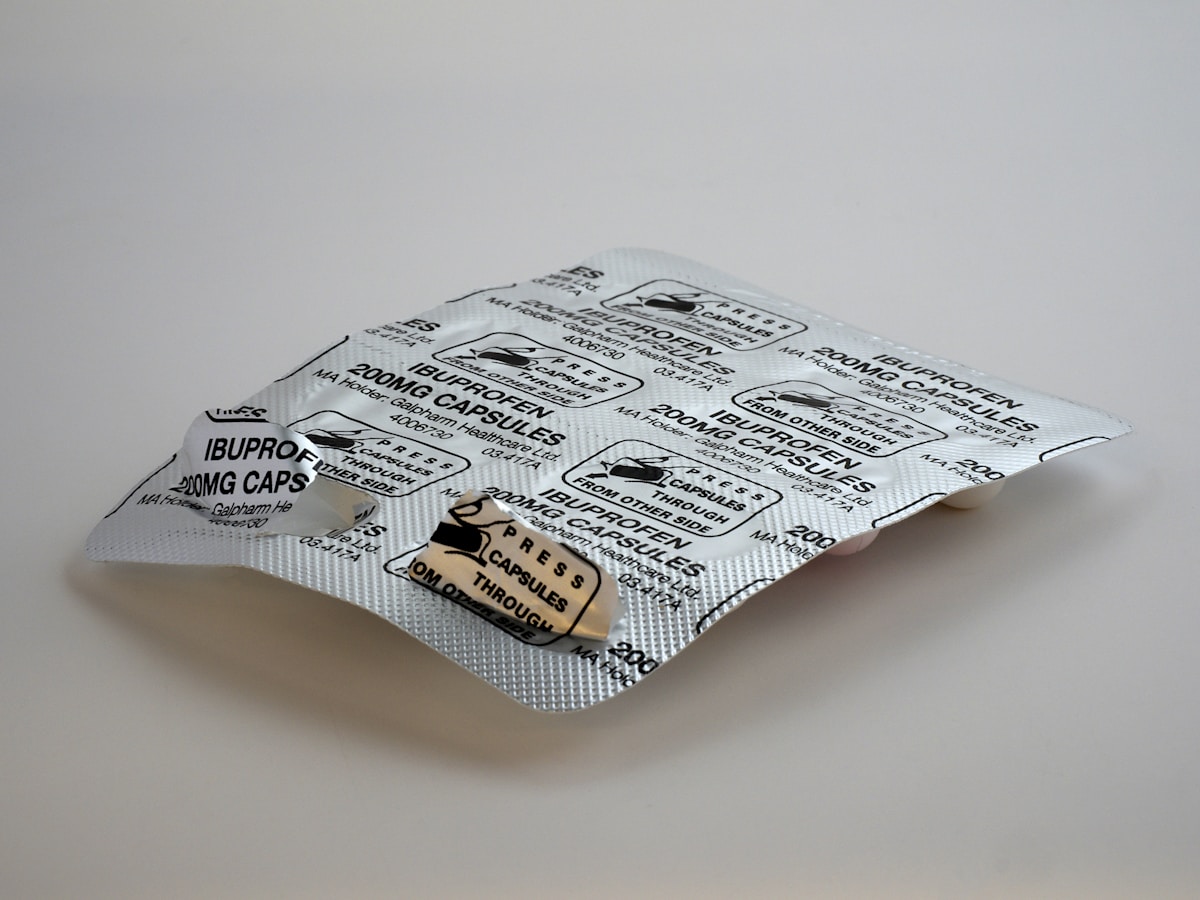
Several head-to-head trials make the case concrete. A well-known study by Kuptniratsaikul and colleagues (2014) found that curcumin extract worked about as well as ibuprofen for knee osteoarthritis pain over four weeks, and a later trial found it comparable to the prescription anti-inflammatory diclofenac, with notably fewer digestive side effects. Curcumin will not match the speed of a painkiller for acute relief, but for ongoing osteoarthritis it is a credible, gentler option for many people.
The Absorption Catch That Decides Everything
Here is the detail that makes or breaks turmeric for joints. Plain curcumin is very poorly absorbed; eaten as ordinary turmeric powder or a cheap capsule, little reaches the bloodstream, which is why some people find it does nothing. The trials that show benefit used enhanced formulations, curcumin combined with black pepper extract (piperine), or phospholipid, liposomal, or nanoparticle delivery systems that dramatically raise absorption. Choosing a properly formulated product is not optional; it is the difference between a working dose and an expensive yellow placebo. Our guide to turmeric dosage for inflammation covers this in detail.
What Turmeric Does NOT Do
Curcumin manages symptoms; it does not regrow cartilage or reverse the structural damage of established arthritis. It can reduce pain and improve function, but it will not undo a worn joint, and it is not a substitute for medical care in inflammatory forms of arthritis like rheumatoid arthritis, where it may help as an add-on but not replace disease-modifying treatment. Framing it as a symptom reliever, not a cure, keeps expectations realistic.
Dose and Form
Effective trials generally used around 1,000 mg/day of curcumin (often standardized to about 95% curcuminoids), split into two doses with food. Crucially, pair it with an absorption enhancer: black pepper (piperine) or a recognized bioavailability-boosting formulation. Give it time, joint benefits in studies built over four to twelve weeks, not days. It is a consistent, slow-acting option, not an on-demand painkiller.
Who Might Benefit
- People with mild to moderate knee or joint osteoarthritis, the population where trials are strongest.
- Those who cannot tolerate NSAIDs like ibuprofen due to stomach, kidney, or cardiovascular concerns, for whom a gentler option is appealing.
- People wanting to reduce reliance on daily painkillers, as a complementary approach with medical input.
Turmeric vs Other Joint Supplements
Among joint supplements, curcumin has some of the better evidence for pain relief, arguably stronger than glucosamine and chondroitin for symptoms. Collagen peptides also show modest joint benefits, as covered in our review of whether collagen really works. None of these reverses arthritis, but for symptom relief, curcumin is a reasonable first supplement to try.
Safety and Interactions
Curcumin is generally well tolerated, but it is not free of cautions. It can thin the blood slightly (relevant before surgery or with anticoagulants), may worsen gallbladder problems, and high-bioavailability forms have been linked in rare cases to liver injury, all detailed in our article on the serious side effects of turmeric. Anyone on medication, pregnant, or with gallstones or liver issues should check with a doctor first.
Common Mistakes
The mistakes that make turmeric “not work” are predictable: using plain turmeric powder or a cheap, unenhanced capsule with poor absorption, under-dosing below the studied range, expecting instant relief instead of giving it weeks, and assuming it will reverse joint damage rather than ease symptoms. Get the form and dose right and give it time, and curcumin has a fair chance of helping.
The Bottom Line
Turmeric is one of the better-supported supplements for joint pain, with randomized trials showing curcumin reduces osteoarthritis symptoms and rivals ibuprofen for knee pain, with a gentler side-effect profile. The decisive factor is absorption: use a piperine-enhanced or bioavailability-optimized product at around 1,000 mg/day of curcumin, give it several weeks, and treat it as a symptom reliever, not a cure. Used that way, it is a credible, lower-risk option for managing the aches of osteoarthritis.
Curcumin Within a Bigger Joint Strategy
Even with good evidence, curcumin works best as one part of a broader approach to osteoarthritis rather than a standalone fix. The interventions with the strongest evidence for joint pain are not supplements at all: losing excess weight reduces the load on knees and hips dramatically, and strengthening the muscles around a joint through exercise improves pain and function more than any pill. An anti-inflammatory-leaning diet, rich in vegetables, fish, and olive oil and lower in ultra-processed food, supports the same goal from the inside. Curcumin layered on top of these can meaningfully reduce day-to-day pain and may let some people cut back on painkillers, but it is the supporting actor, not the lead.
Reading the Label: What to Actually Look For
Because absorption decides everything, the label matters more for turmeric than for almost any other supplement. Look for products that specify the curcuminoid content (standardized to around 95% curcuminoids) and that include a recognized absorption enhancer, either black pepper extract (piperine) or a branded bioavailability technology such as a phospholipid or nanoparticle formulation. Be skeptical of cheap “turmeric 500 mg” capsules with no enhancer and no curcuminoid standardization, which deliver little usable curcumin no matter how many you take. A smaller dose of a well-absorbed product beats a large dose of an unabsorbable one, and is often better value despite a higher sticker price.
The encouraging summary is that, unlike many trendy joint remedies, turmeric is not wishful thinking. The evidence is real, the safety profile is reasonable, and the main obstacles, absorption and patience, are entirely solvable. Choose a well-formulated product, dose it adequately, give it a month or two, and pair it with movement and weight management, and curcumin can be a genuinely useful part of living more comfortably with osteoarthritis.
Frequently Asked Questions
Does turmeric really help joint pain?
Yes, for osteoarthritis. Randomized trials show curcumin, turmeric’s active compound, significantly reduces knee and joint pain versus placebo, sometimes rivaling ibuprofen, when an absorbable form is used at an adequate dose.
How much turmeric should I take for arthritis?
Trials generally used about 1,000 mg/day of curcumin (around 95% curcuminoids), split with food, paired with black pepper or an enhanced-absorption formulation, for several weeks.
Is turmeric as good as ibuprofen for knee pain?
In several trials, curcumin worked about as well as ibuprofen for knee osteoarthritis pain over a few weeks, with fewer digestive side effects, though it is slower than a painkiller for acute relief.
Why doesn’t my turmeric supplement work?
Most likely poor absorption. Plain turmeric and cheap capsules are barely absorbed; effective products use black pepper (piperine) or special delivery systems. Form and dose are what decide results.
Can turmeric reverse arthritis?
No. Curcumin reduces pain and inflammation but does not regrow cartilage or reverse joint damage. It manages symptoms and is not a substitute for medical care in inflammatory arthritis.
Is turmeric safe to take daily for joints?
For most people, yes, but it can thin the blood, may worsen gallbladder issues, and high-absorption forms carry a rare liver-injury risk. Those on medication or with gallstones or liver problems should consult a doctor.
Sources
- Daily JW, Yang M, Park S. “Efficacy of turmeric extracts and curcumin for alleviating the symptoms of joint arthritis: a systematic review and meta-analysis of randomized clinical trials.” Journal of Medicinal Food, 2016. PMC5003001
- Kuptniratsaikul V, et al. “Efficacy and safety of Curcuma domestica extracts compared with ibuprofen in patients with knee osteoarthritis.” Clinical Interventions in Aging, 2014. PMID 24672232
- Shep D, et al. “Safety and efficacy of curcumin versus diclofenac in knee osteoarthritis: a randomized open-label parallel-arm study.” 2019. PMID 30975196