Vitamin C for Colds and Immunity: What the Evidence Really Shows

Vitamin C is the original immune supplement, reached for at the first sneeze and sold in ever-larger doses. Its cold-fighting reputation, popularized decades ago, runs far ahead of what the research actually supports. Here is the honest evidence on vitamin C for colds and immunity, including the difference between what it does and what people believe it does.
Vitamin C and Immunity: The Basics
Vitamin C is genuinely essential for immune function; it supports the skin barrier and various immune cells and is an antioxidant. Severe deficiency (scurvy) devastates immunity. From this real biology grew the belief that more vitamin C means stronger defense against colds, an intuitive leap that, as so often, the controlled trials complicated.
Does It Prevent Colds? Mostly No
This is the central, surprising finding. The authoritative Cochrane review by Hemilä and Chalker (2013), pooling decades of trials, found that regular vitamin C supplementation did not reduce the incidence of colds in the general population. Taking vitamin C every day does not stop most people from catching colds. The one exception is notable: in people under extreme physical stress, such as marathon runners and soldiers in cold conditions, regular vitamin C roughly halved cold risk.
Does It Shorten Colds? Modestly
Here is the kernel of truth. The same Cochrane review found that regular, ongoing vitamin C supplementation modestly shortened cold duration, by about 8% in adults and 14% in children, and slightly reduced severity. That is roughly half a day off a typical cold, a real but small effect, and it required taking vitamin C consistently before getting sick, not starting it at the first symptom.
The ‘Take It When You Feel a Cold Coming’ Myth
The most common way people use vitamin C, swallowing a big dose at the first tickle, is the least supported. Studies of high-dose vitamin C started after symptoms began have generally found no consistent benefit on duration or severity. The modest shortening effect comes from steady, everyday intake, not from a reactive megadose once the virus has taken hold.
Why Megadoses Are Pointless
Vitamin C is water-soluble, and the body tightly regulates it: absorption falls and excretion rises as intake climbs, so beyond a point, extra vitamin C is simply urinated out. Taking 1,000 mg or more does not flood your system with usable vitamin C the way the marketing implies; much of it is wasted. More is not more, and the “megadose to crush a cold” approach is not supported by the evidence.
The Risks of Too Much
High doses are not harmless. Above about 2,000 mg/day, vitamin C commonly causes diarrhea, nausea, and stomach cramps, and it can increase the risk of kidney stones in susceptible people, because excess vitamin C is converted to oxalate. People with kidney problems or a history of stones should be especially cautious with high-dose supplements.
Deficiency vs Supplementation
As with most nutrients, the real immune benefit is in correcting a deficiency, not in piling extra onto an adequate diet. Genuine vitamin C deficiency, more common in smokers, heavy drinkers, and people with very poor diets, does impair immunity and is worth correcting. For a well-nourished person, however, more vitamin C does not “boost” an already-functioning immune system.
Food Sources Beat Supplements
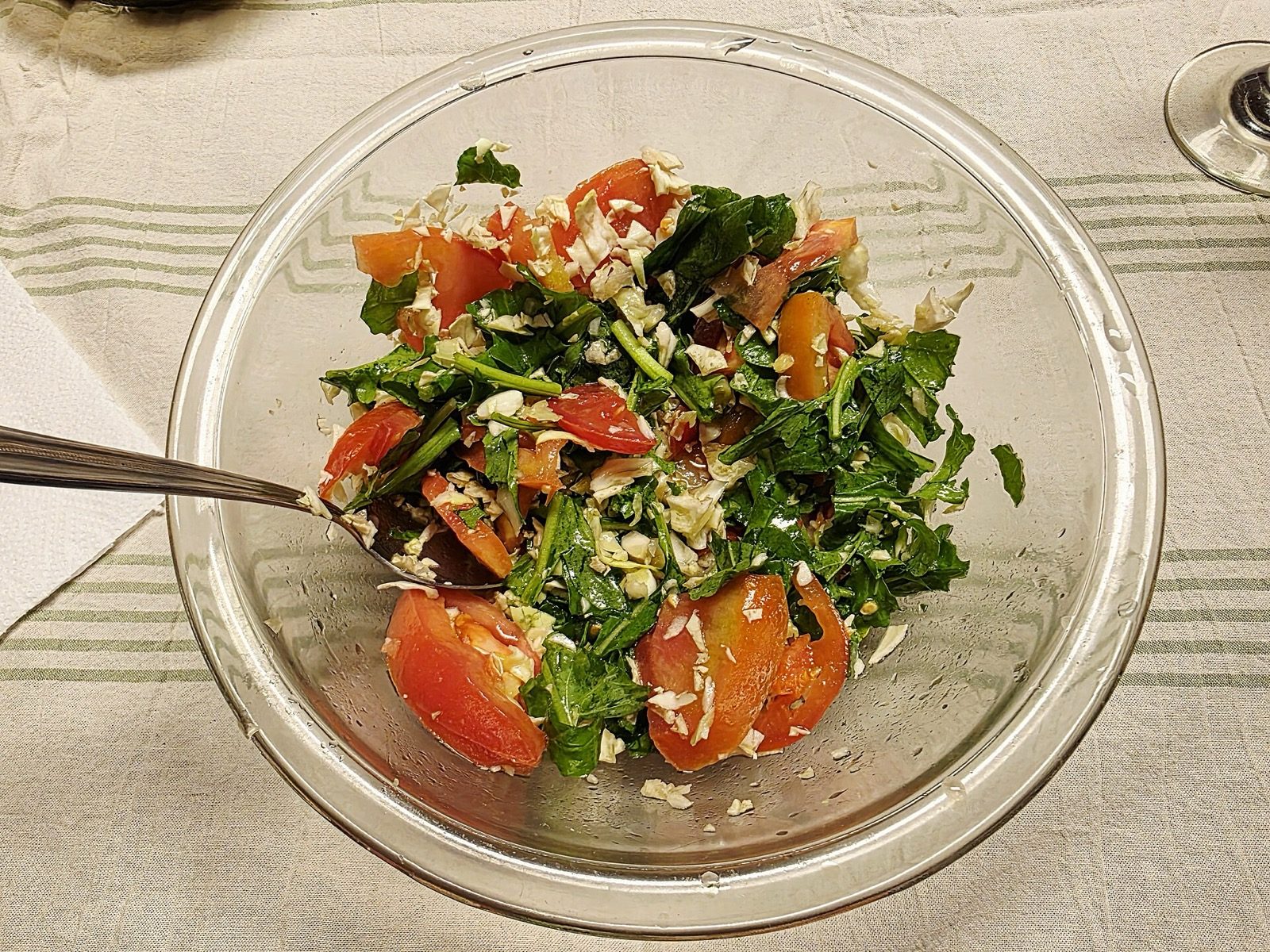
Vitamin C is abundant and easy to get from food: citrus fruits, strawberries, kiwi, bell peppers, broccoli, and many vegetables. A few servings of fruit and vegetables a day easily meet the requirement (around 75 to 90 mg), along with fiber and other beneficial compounds a pill lacks. For most people, a decent diet makes a vitamin C supplement unnecessary.
Who Might Reasonably Supplement
- People under extreme physical stress (endurance athletes, those exposed to severe cold), where regular vitamin C may reduce cold risk.
- Smokers and people with poor diets, who have higher needs and lower intake.
- Anyone wanting the small duration benefit, taken regularly year-round, not reactively, with realistic expectations.
Common Mistakes
The classic mistakes are starting a megadose only when a cold begins (the least effective approach), believing daily vitamin C prevents colds for ordinary people (it does not), taking very high doses expecting more benefit (the excess is excreted, and high doses risk stones), and using vitamin C as a reason to skip the basics, sleep, hygiene, and overall nutrition, that matter more.
The Bottom Line
Vitamin C is essential, but its cold-fighting powers are far smaller than its reputation. For most people it does not prevent colds; taken regularly it shortens them slightly; and starting a megadose at the first sniffle, the way most people use it, does little. Get enough from food, consider regular modest supplementation only if you are under extreme physical stress or at risk of deficiency, and skip the megadoses, which the body wastes and which can cause harm. Pair it with zinc done correctly, covered in our guide to zinc for colds, for the better-evidenced parts of the cold-supplement story.
The Linus Pauling Legacy
It helps to know where vitamin C’s outsized reputation came from. In the 1970s, the Nobel-winning chemist Linus Pauling championed megadoses of vitamin C for colds and even cancer, lending the idea enormous credibility and launching a supplement boom that never really faded. The problem was that Pauling’s enthusiasm outran the data, and the large controlled trials that followed did not support his strongest claims. Vitamin C’s persistent cold reputation is, in large part, the long echo of one influential scientist’s conviction, a reminder that authority is not the same as evidence.
Vitamin C Beyond Colds
Vitamin C does have genuine roles beyond the cold-fighting hype. It is essential for making collagen, which is why severe deficiency causes the bleeding gums and poor wound healing of scurvy, and it aids the absorption of iron from plant foods, a useful pairing for vegetarians. As an antioxidant it is part of the body’s defenses, and adequate intake supports skin and connective-tissue health. None of this requires megadoses; it requires adequacy, the modest amounts easily obtained from a normal diet. The lesson is consistent across nutrients: preventing deficiency delivers real benefits, while loading extra onto sufficiency mostly does not.
A Sensible Cold-Season Approach
Put together, the evidence points to an unglamorous routine. Eat enough fruit and vegetables to keep vitamin C adequate year-round; if you want the small duration benefit and are at higher risk or under heavy physical stress, take a modest daily dose consistently rather than waiting for symptoms. When a cold does strike, focus on rest, fluids, and sleep, the things that genuinely help your immune system do its job, and accept that no vitamin will cut the cold dramatically short. It is a humble conclusion, but an honest one.
If there is a single takeaway, it is to stop treating vitamin C as an emergency cold cure and start treating it as a basic nutrient you simply keep adequate. That shift, from reactive megadoses to quiet sufficiency from food, matches what the evidence actually supports and spares you both the wasted money and the disappointment of a remedy that was never going to do what the bottle promised.
Frequently Asked Questions
Does vitamin C prevent colds?
For most people, no. Large reviews show daily vitamin C does not reduce how often the general population catches colds. The exception is people under extreme physical stress, where it may halve cold risk.
Does vitamin C shorten a cold?
Modestly, and only with regular ongoing use, by about 8% in adults and 14% in children. Starting it only once you feel a cold coming has not reliably helped.
How much vitamin C should I take?
The requirement is about 75 to 90 mg/day, easily met from fruit and vegetables. Doses above 2,000 mg/day can cause diarrhea and raise kidney-stone risk, with little added benefit.
Is it worth taking high-dose vitamin C for a cold?
Generally no. The body excretes excess vitamin C, and high-dose vitamin C started after symptoms begin has not shown consistent benefit. Megadoses mostly waste money and can upset the stomach.
Can too much vitamin C be harmful?
Yes. Above roughly 2,000 mg/day it commonly causes digestive upset and can increase kidney-stone risk in susceptible people, since excess is converted to oxalate.
Do I need a vitamin C supplement?
Most people who eat fruit and vegetables do not. Supplementing makes more sense for smokers, those with poor diets, or people under extreme physical stress.
Sources
- Hemilä H, Chalker E. “Vitamin C for preventing and treating the common cold.” Cochrane Database of Systematic Reviews, 2013. PMID 23440782
- Hemilä H. “Vitamin C and infections.” Nutrients. PMC5409678
- “Vitamin C in the prevention and treatment of the common cold.” 2018. PMID 30202272