How to Increase Nitric Oxide Naturally: Foods and Doses
This article contains affiliate links. We only recommend products we have independently researched. Reviewed by the HealthyMag Editorial Team. Last updated: July 2026.
Nitric oxide (NO) is one of the most important molecules your blood vessels make, and one of the least understood outside research labs. It is a tiny gas your body produces on demand to relax the inner lining of your arteries, widen them, and let blood flow more easily. When nitric oxide production falls, blood vessels stiffen, blood pressure creeps up, and circulation to muscles, brain, and other organs suffers. The frustrating part is that NO production naturally declines as we age, often starting in our 30s and 40s. The good news is that a large body of human research shows you can push it back up with food, movement, and a few surprisingly simple habits, no prescription required. This guide walks through what the science actually shows, separating the well-supported strategies from the hype.
What nitric oxide does and why it matters
Nitric oxide is a signaling molecule produced mainly by the endothelium, the single-cell-thick lining of your blood vessels. Its headline job is vasodilation: it tells the smooth muscle around your arteries to relax, which widens the vessel and lowers the pressure inside. This is the same pathway that nitroglycerin tablets and many blood-pressure medications ultimately work through. Beyond blood pressure, adequate NO supports healthy blood flow to muscles during exercise, helps keep platelets from clumping into clots, and plays a role in how efficiently your cells use oxygen.
Your body makes nitric oxide two ways. The first is the classic “NOS” pathway, where an enzyme called nitric oxide synthase builds NO from the amino acid L-arginine. The second is the dietary nitrate pathway (also called the entero-salivary or nitrate-nitrite-NO pathway), where nitrate from vegetables is converted, with help from bacteria in your mouth, into nitrite and then into nitric oxide. Both matter, but the second pathway is the one you have the most day-to-day control over through diet, and it becomes more important as the enzyme-driven pathway becomes less efficient with age.
Why nitric oxide declines with age
The gradual loss of nitric oxide is one of the central features of vascular aging. As we get older, the endothelium becomes less able to produce NO on demand, a condition researchers call endothelial dysfunction. Oxidative stress rises, the enzyme that makes NO becomes less efficient (and can even start producing damaging molecules instead), and the net result is stiffer, less responsive arteries. This is not a rare disease process; it is a normal part of aging that begins quietly decades before any diagnosis.
This is why strategies that boost the alternative, food-based pathway are so appealing for older adults. Even when the enzyme pathway is faltering, dietary nitrate from vegetables can still be converted into nitric oxide, effectively giving your vascular system a second supply line. Research in animals has shown that restoring nitrite availability can reverse age-associated endothelial dysfunction and artery stiffness, and human trials consistently show that dietary nitrate lowers blood pressure, an outcome tightly linked to NO. If you want to understand the bigger picture of vascular aging and circulation, our overview of whether beetroot juice really works for blood pressure and endurance covers the human trial data in depth.
Signs of low nitric oxide
There is no simple at-home test that measures your nitric oxide directly, and no single symptom that proves you are low. But because NO governs blood flow and vessel flexibility, chronically low levels tend to show up as a cluster of circulation-related issues. Common signs and risk factors that researchers associate with reduced NO availability include:
- Rising or persistently elevated blood pressure
- Feeling more winded or fatigued during exercise you used to handle easily
- Cold hands and feet or generally poor circulation
- Being over 40, sedentary, or a smoker (all accelerate endothelial decline)
- Eating few vegetables, especially leafy greens and beets
- Frequent use of antiseptic mouthwash (more on this below)
None of these is diagnostic on its own, and any new or worsening symptom deserves a proper medical evaluation. But taken together, they describe the profile of someone whose NO-producing systems could use support, and who is likely to benefit most from the strategies here.
Nitrate-rich foods: the foundation
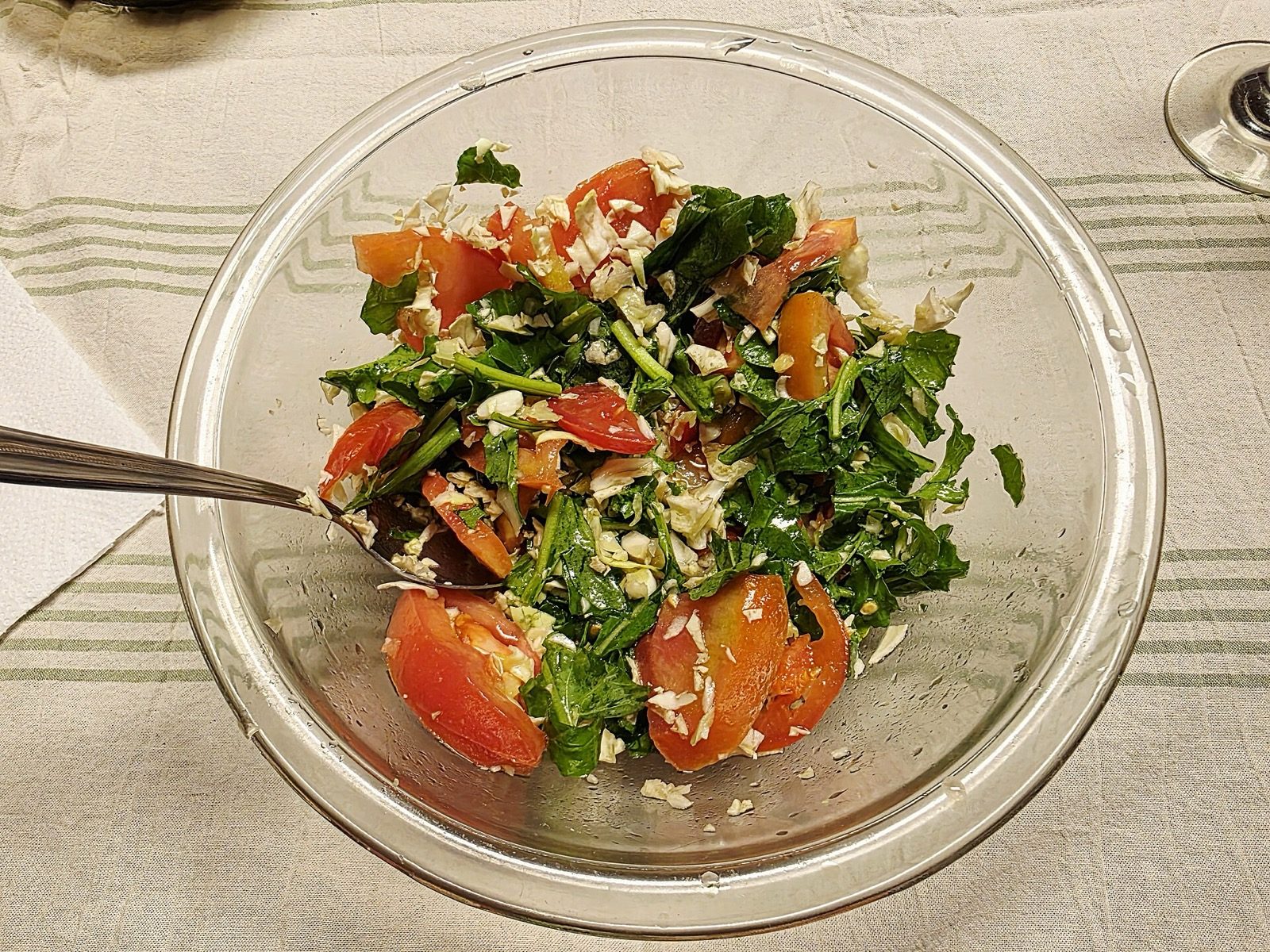
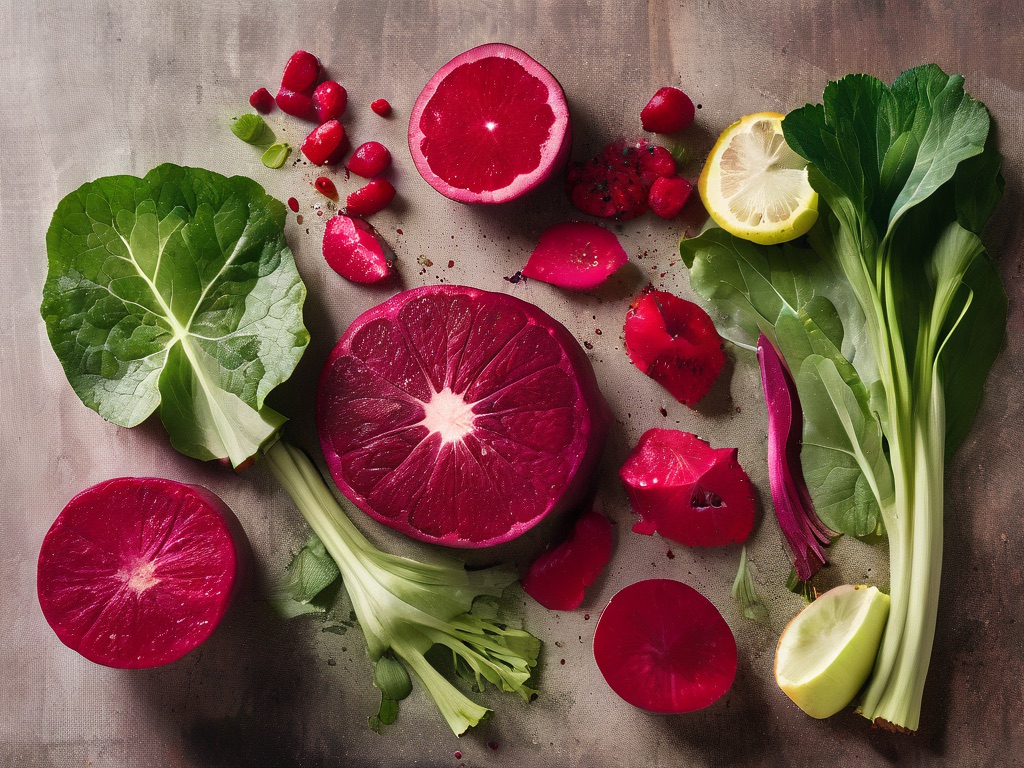
The single most reliable natural way to raise nitric oxide is eating vegetables high in dietary nitrate. Your body converts that nitrate into nitrite and then into NO. The stars here are beetroot and dark leafy greens like arugula, spinach, and rocket, along with celery and Swiss chard. In a landmark 2008 trial published in Hypertension, Webb and colleagues gave healthy volunteers about 500 mL of beetroot juice and saw systolic blood pressure fall by roughly 10 mmHg within a few hours, an effect they traced directly to the conversion of dietary nitrate to nitrite. Many later studies using more realistic doses show smaller but still meaningful reductions of around 4–5 mmHg.
For a ranked list of which vegetables carry the most nitrate, and what the trials found when people ate them, see foods high in nitric oxide.
The table below gives an approximate ranking of common foods by nitrate content. Values vary with soil, season, and growing conditions, so treat these as relative guides rather than exact figures.
| Food | Relative nitrate content | Notes |
|---|---|---|
| Arugula (rocket) | Very high | One of the richest dietary sources |
| Beetroot / beet juice | Very high | Most-studied source in NO research |
| Spinach | High | Nitrate survives light cooking |
| Swiss chard | High | Also rich in potassium |
| Celery | High | Easy raw addition to meals |
| Lettuce (leaf) | Moderate–high | Darker leaves tend higher |
| Radishes | Moderate | Good crunchy salad option |
A practical target used in much of the research is roughly the amount of nitrate found in a large serving of leafy greens or one small glass of beetroot juice per day. Pairing these vegetables with an overall heart-healthy eating pattern amplifies the benefit; our summary of what a 13,000-person study found about the Planetary Health Diet and your heart shows how a vegetable-forward diet supports cardiovascular health beyond nitric oxide alone.
The mouth-bacteria connection: why mouthwash can hurt NO
This is the part that surprises most people. The conversion of dietary nitrate into nitrite depends on friendly bacteria living on the back of your tongue. These oral bacteria do the chemistry your own cells cannot: they reduce nitrate to nitrite, which you then swallow and convert further into nitric oxide. Wipe out those bacteria, and you break the entire food-based NO pathway, no matter how many beets you eat.
That is not hypothetical. In a 2013 study in Free Radical Biology and Medicine, Kapil and colleagues had healthy volunteers use antiseptic (chlorhexidine) mouthwash for seven days. Oral nitrite production dropped by about 90 percent, plasma nitrite fell by roughly 25 percent, and systolic and diastolic blood pressure rose by around 2 to 3.5 mmHg, with the blood pressure increase tracking the fall in nitrite. In other words, aggressively disinfecting your mouth can measurably raise your blood pressure by silencing the bacteria that make nitric oxide possible.
The practical takeaway is not to abandon oral hygiene, which matters enormously for other reasons. It is to be thoughtful about antiseptic mouthwash: reserve it for when a dentist specifically recommends it rather than using it daily as a habit. Some researchers have raised similar questions about very heavy fluoride and antibacterial exposure, though the mouthwash evidence is by far the strongest. If you rely on daily antiseptic rinsing, that habit may be quietly working against every other NO strategy on this list.
Exercise and nitric oxide
Physical activity is one of the most powerful long-term stimulators of nitric oxide. When you move, blood flow increases and the resulting “shear stress” on your artery walls signals the endothelium to produce more NO. Done consistently, exercise trains the endothelium to be more responsive, partly counteracting the age-related decline described earlier. Both aerobic exercise (brisk walking, cycling, swimming) and resistance training contribute.
Interestingly, the food and exercise pathways reinforce each other. In a 2007 study in Acta Physiologica, Larsen and colleagues found that dietary nitrate supplementation reduced the oxygen cost of exercise, meaning subjects could do the same work using less oxygen, an efficiency gain linked to improved nitric oxide signaling. This is why athletes have gravitated toward beetroot juice. For most readers, the message is simpler: regular movement plus a nitrate-rich diet is a stronger combination than either alone.
Supplements: L-citrulline vs L-arginine, beetroot, and lozenges
If food and exercise are the foundation, supplements are the convenience layer, useful for people who struggle to eat enough vegetables or want a consistent daily dose. Here is what the evidence supports, and what to look for.
L-citrulline vs L-arginine. Both are amino acids that feed the enzyme pathway for NO. Intuitively L-arginine seems like the direct choice, but it is largely broken down in the gut before reaching your bloodstream. L-citrulline is absorbed more efficiently and then converted into arginine inside the body. In a 2007 study in the British Journal of Clinical Pharmacology, Schwedhelm and colleagues showed that oral L-citrulline raised plasma L-arginine levels more effectively than L-arginine itself and boosted NO-dependent signaling in a dose-dependent way, with benefits seen at doses as low as 0.75 g twice daily. For most people interested in NO support, L-citrulline is the better-supported choice.
🔎 Our researched pick: Beetroot extract and nitrate lozenges. Concentrated beetroot powder or extract delivers dietary nitrate in a more convenient form than juicing daily, and nitrate lozenges are designed to work with the oral-bacteria pathway directly on the tongue. When choosing among these, look for products that state the actual nitrate content (not just “beetroot 500 mg”), avoid ones loaded with added sugar, and favor brands with third-party testing. Nitrate or beet-based lozenges can be a genuinely convenient option for people who want to support the entero-salivary pathway without preparing juice. The simplest form that lets you check the dose is a plain beetroot juice powder that states its nitrate content on the label; a labelled powder lets you compare against the nitrate-rich foods in the table above, and an unlabelled “beet 500 mg” capsule does not. Beet Juice Powder Organic – Cold Pressed – 20:1 Concentrate 57 Servings (Amazon). Treat it as a supplement to, not a substitute for, vegetables and exercise. If you take other cardiovascular supplements, our review of what the research actually shows about CoQ10 for heart health and statin users is a useful companion read.
Amazon affiliate link; HealthyMag earns a small commission on qualifying purchases at no extra cost to you.
One important caution: if you take nitrate-based erectile dysfunction medication or nitrate heart medication, or you are on blood-pressure drugs, talk to your doctor before adding nitrate supplements, since the blood-pressure-lowering effects can stack.
How long it takes: realistic expectations
Nitric oxide responds on two timescales. Acutely, a single dose of dietary nitrate raises blood nitrite within about 2 to 3 hours and can lower blood pressure the same day, as the Webb and Kapil studies showed. But the more meaningful changes, improved endothelial responsiveness and steadier blood pressure, build over days to weeks of consistent habits. Most trials showing durable benefits run 2 to 6 weeks of daily nitrate intake or regular exercise. Think of it like fitness: one salad or one workout helps a little today, but the real payoff comes from making it routine. Set expectations for a modest, gradual improvement rather than an overnight transformation.
Frequently Asked Questions
What foods are highest in nitric oxide?
No food contains nitric oxide directly; foods provide the nitrate your body converts into it. The highest-nitrate foods are arugula (rocket), beetroot and beet juice, spinach, Swiss chard, celery, and other dark leafy greens. Eating a large serving of these daily is the most reliable food-based way to support nitric oxide production.
How can I increase nitric oxide quickly?
The fastest route is a concentrated dose of dietary nitrate, such as a small glass of beetroot juice or a large arugula salad. Blood nitrite typically peaks around 2 to 3 hours later, and studies have measured blood pressure reductions the same day. For lasting benefit, though, you need consistent daily intake plus regular exercise rather than a one-time boost.
Does nitric oxide lower blood pressure?
Yes. Nitric oxide relaxes and widens blood vessels, which lowers the pressure inside them. Human trials of dietary nitrate consistently show reductions in systolic blood pressure of roughly 4 to 5 mmHg, and the 2008 Webb study in Hypertension saw larger acute drops with beetroot juice. The effect is real but modest, and it complements rather than replaces prescribed treatment.
What are signs of low nitric oxide?
There is no direct home test, but common associated signs include rising blood pressure, reduced exercise tolerance, poor circulation such as cold hands and feet, and being older, sedentary, or a smoker. Eating few vegetables and using antiseptic mouthwash daily are habits linked to lower nitric oxide availability. Any concerning symptom should be evaluated by a clinician.
Does mouthwash reduce nitric oxide?
Antiseptic mouthwash can significantly reduce it. Nitric oxide from food depends on nitrate-reducing bacteria on your tongue. In the 2013 Kapil study, seven days of chlorhexidine mouthwash cut oral nitrite production by about 90 percent and raised blood pressure by 2 to 3.5 mmHg. Everyday antiseptic rinsing may undermine the food-based nitric oxide pathway.
Is L-citrulline or L-arginine better for nitric oxide?
For most people, L-citrulline is better supported. Although L-arginine is the direct precursor, much of it is broken down in the gut. Research by Schwedhelm and colleagues found that oral L-citrulline raised plasma arginine and NO signaling more effectively than L-arginine itself, even at modest doses of around 0.75 to 3 grams.
Does nitric oxide decline with age?
Yes. Nitric oxide production falls as part of normal vascular aging, often beginning in the 30s and 40s. The endothelium becomes less efficient at making NO and oxidative stress rises, contributing to stiffer arteries and higher blood pressure. This is a major reason food-based nitrate strategies become more valuable with age.
Can I get enough nitric oxide from diet alone?
Many people can, especially by eating leafy greens and beets daily, exercising regularly, and protecting their oral bacteria. Supplements like L-citrulline or nitrate lozenges are a convenience option for those who cannot consistently eat enough vegetables, but they are not required if your diet and activity levels already support the pathway.
The Bottom Line
Nitric oxide is central to healthy blood vessels, and it naturally declines with age, but you have real leverage over it. The strongest, best-supported strategy is unglamorous: eat nitrate-rich vegetables like arugula and beets every day, move your body regularly, and stop wiping out the tongue bacteria that turn that nitrate into nitric oxide by cutting back on antiseptic mouthwash. Supplements such as L-citrulline and beetroot or nitrate lozenges can add convenience for people who need it, but they belong on top of a good diet, not in place of one. Expect gradual, modest improvements measured over weeks, and if you take blood-pressure or nitrate medications, coordinate any changes with your doctor.
🔎 Our researched pick: CircO2 is a nitric oxide lozenge that dissolves on the tongue, the format this page describes for working with the oral-bacteria pathway. Our CircO2 review covers what is in it.
Affiliate link — if you buy through it we may earn a commission at no extra cost to you.
Sources
- Webb AJ, Patel N, Loukogeorgakis S, et al. Acute blood pressure lowering, vasoprotective, and antiplatelet properties of dietary nitrate via bioconversion to nitrite. Hypertension. 2008;51(3):784-790. https://www.ahajournals.org/doi/10.1161/HYPERTENSIONAHA.107.103523
- Kapil V, Haydar SMA, Pearl V, et al. Physiological role for nitrate-reducing oral bacteria in blood pressure control. Free Radic Biol Med. 2013;55:93-100. https://pmc.ncbi.nlm.nih.gov/articles/PMC3605573/
- Schwedhelm E, Maas R, Freese R, et al. Pharmacokinetic and pharmacodynamic properties of oral L-citrulline and L-arginine: impact on nitric oxide metabolism. Br J Clin Pharmacol. 2008;65(1):51-59. https://pmc.ncbi.nlm.nih.gov/articles/PMC2291275/
- Larsen FJ, Weitzberg E, Lundberg JO, Ekblom B. Effects of dietary nitrate on oxygen cost during exercise. Acta Physiol (Oxf). 2007;191(1):59-66. https://onlinelibrary.wiley.com/doi/abs/10.1111/j.1748-1716.2007.01713.x