Lion’s Mane Benefits: 8 Claims, 3 With Placebo-Trial Results
Quick Answer: Lion’s mane (Hericium erinaceus) is sold for eight main benefits: memory in older adults, focus in healthy adults, mood and anxiety, sleep, gut health, nerve repair, blood sugar and immunity. When we searched PubMed on 20 October 2026, only 3 of the 8 had placebo-controlled human results we could read: memory in older adults with mild cognitive impairment or mild Alzheimer’s disease, focus and reaction time in healthy younger adults, and mood. All three rest on small trials: where the abstract gives a size, they enrolled 18 to 41 people. Sleep and gut health have small human studies without a usable placebo comparison. Nerve repair, blood sugar and immunity have laboratory and animal data, but we found no human trial. Our advertiser for this topic, Herbal Lab’s lion’s mane tincture, is in the box near the end of this page.
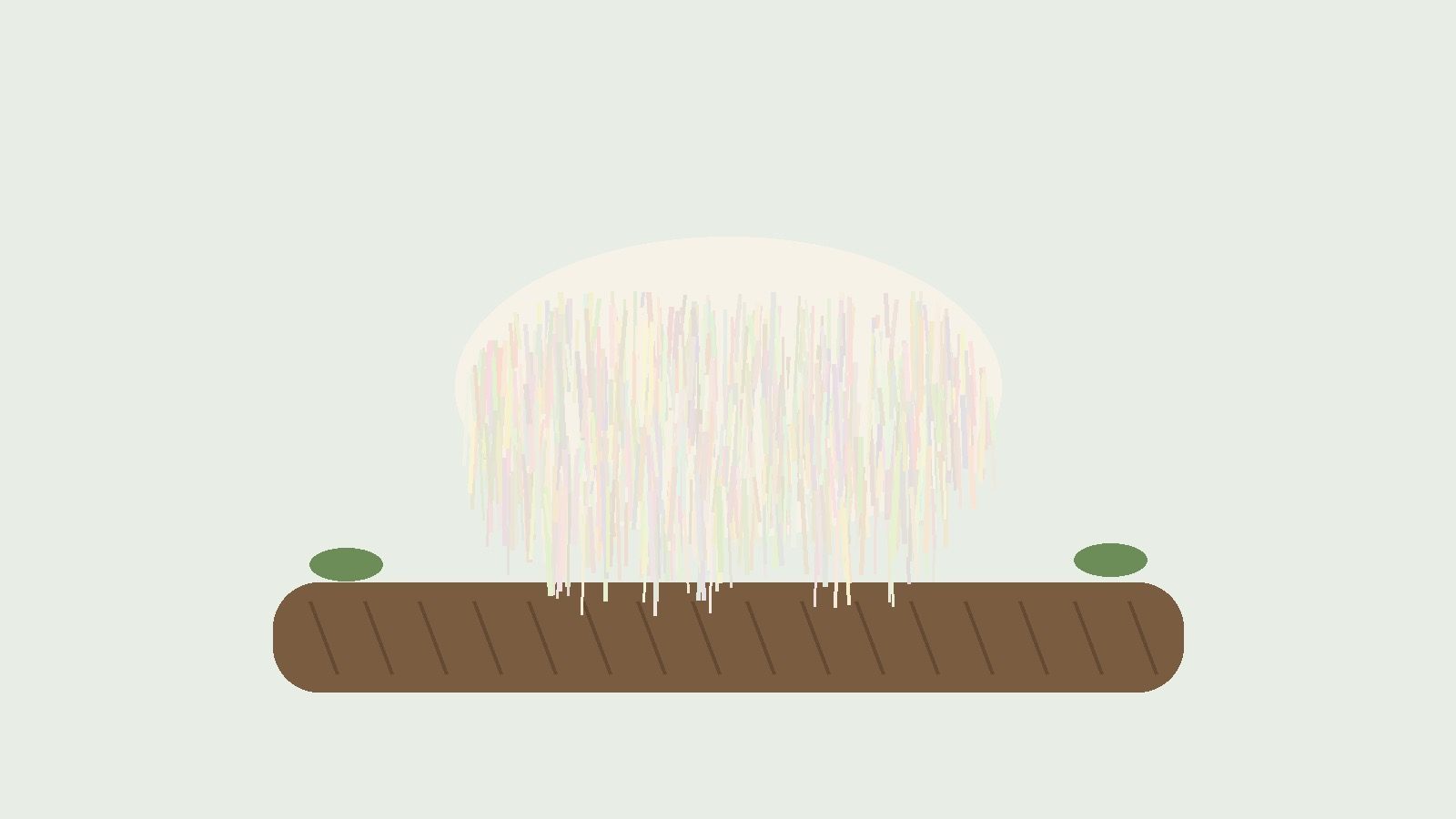
Lion’s mane is an edible mushroom with long white spines that hang like a beard. It is eaten as food in East Asia and sold in the West as powders, capsules, gummies and tinctures. Most of the excitement comes from two families of compounds: hericenones, found in the fruiting body, and erinacines, found in the mycelium. In laboratory studies these compounds stimulate nerve growth factor, the protein that helps nerve cells grow and survive. That mechanism is real in a dish. The question this page answers is narrower: which benefits have actually been tested in people, and what did those tests find?
This page is about benefits. If you want the amount to take, see our lion’s mane dosage guide. For which form to buy, see our comparison of capsules, powder and tincture across 117 labels. For gummies, see our gummies page.
The 8 benefits at a glance
| Claimed benefit | Human evidence we found | Placebo-controlled result? | Verdict |
|---|---|---|---|
| Memory in older adults with mild impairment | Mori 2009 (30 people, 16 weeks); Saitsu 2019 (12 weeks); Li 2020 (mild Alzheimer’s, 49 weeks) | Yes | Small, consistent signal in small trials |
| Focus and reaction time in healthy adults | Docherty 2023 (41 people); Surendran 2025 (18 people); La Monica 2023 (single 1 g dose) | Yes | Mixed: some single tasks improved, overall scores mostly did not |
| Mood, depression and anxiety | Nagano 2010 (30 women, 4 weeks); Docherty 2023 stress trend; Vigna 2019 (77 people) | Yes (Nagano, Docherty) | Weak: mostly before-and-after changes and trends |
| Sleep | Vigna 2019; Nagano 2010 measured sleep quality | No usable comparison | Unproven |
| Gut health | Xie 2021 (13 healthy adults, 7 days, no control group); a 1985 gastritis study we could read only by title | No usable comparison | Unproven |
| Nerve repair and neuropathy | Laboratory and animal studies only | No human trial found | Untested in people |
| Blood sugar | Animal studies only | No human trial found | Untested in people |
| Immunity | Laboratory and animal studies only | No human trial found | Untested in people |
What is lion’s mane good for? The memory evidence in older adults
This is the strongest part of the record, and it is still thin.
In Mori 2009, 30 Japanese adults aged 50 to 80 with mild cognitive impairment were randomized to lion’s mane or placebo. The supplement group took “four 250 mg tablets containing 96% of Yamabushitake dry powder three times a day for 16 weeks,” about 3 g a day of dried fruiting body. At weeks 8, 12 and 16 their scores on a cognitive scale were significantly higher than placebo. The benefit did not last: “at week 4 after the termination of the 16 weeks intake, the scores decreased significantly.” Laboratory tests showed no adverse effect.
Saitsu 2019 ran a 12-week randomized, double-blind, placebo-controlled trial of supplements containing the fruiting body. Of the three cognitive tests used, only one changed: “MMSE alone showed that oral intake of H. erinaceus significantly improved cognitive functions.”
Li 2020 tested a different material: mycelium enriched with erinacine A, at three 350 mg capsules a day for 49 weeks, in people with mild Alzheimer’s disease. After 49 weeks the supplement group had a significant improvement in Mini-Mental State Examination score, while the placebo group’s scores on another cognitive screen declined. Four people dropped out for abdominal discomfort, nausea and skin rash. Several of the authors work for Grape King Bio, which makes erinacine A-enriched mycelium.
A 2025 systematic review, Menon 2025, combined two of these studies and reported that “Mini-Mental State Examination scores from one RCT and one PCT showed a combined weighted mean increase of 1.17.” On a 30-point scale, that is a small number. It is also the only pooled human figure we found. Our separate page on lion’s mane and the brain goes through these trials in more detail.
Does lion’s mane help focus in healthy people?
Three small trials tested healthy younger adults, and they do not agree.
- Docherty 2023 gave 1.8 g of lion’s mane or placebo to 41 healthy adults aged 18 to 45. After a single dose, “participants performed quicker on the Stroop task (p = 0.005) at 60 min post dose.” After 28 days, the authors reported “null and limited negative findings” alongside a trend toward lower stress, and asked readers to interpret the results “with caution.”
- Surendran 2025 gave a single 3 g dose of a 10:1 fruiting-body extract to 18 healthy adults in a crossover design. It “did not demonstrate a significant overall improvement in cognitive performance and mood compared to the placebo”; only one manual dexterity test improved.
- La Monica 2023 compared a single 1 g dose of Nordic-grown lion’s mane with placebo and found improvements in some measures of working memory, attention and reaction time two hours later.
Put together: a single dose sometimes speeds up one or two tasks, and overall cognitive scores in healthy people have mostly not moved. None of these trials ran longer than 28 days.
Mood, depression and anxiety
The best-known mood trial is Nagano 2010. Thirty women ate cookies containing lion’s mane or placebo cookies for four weeks. Depression scores and “indefinite complaints” scores were lower after the lion’s mane cookies than before them. Against the placebo group, only two items of the complaints index differed significantly, and “concentration,” “irritating” and “anxious” only “tended to be lower than the placebo group.” That is a weaker result than it is often presented as.
Docherty 2023 found “a trend towards reduced subjective stress” after 28 days (p = 0.051), which did not reach the usual threshold for significance.
Vigna 2019 gave lion’s mane for 8 weeks to 77 people with overweight or obesity who also had a mood disorder, sleep problems or binge eating, while they followed a low-calorie diet. Depression, anxiety and sleep disorders decreased. The abstract does not describe a placebo group, so the diet, time and expectation could explain part of the change.
Sleep
Sleep is a common marketing claim and a weak one. Vigna 2019 reported better “quality of the nocturnal rest,” without a placebo comparison described in its abstract. Nagano 2010 measured sleep quality with the Pittsburgh Sleep Quality Index, and its abstract reports significant changes only for the depression and complaints scales, not for sleep. We found no placebo-controlled trial with sleep as the main outcome.
Gut health
In Xie 2021, 13 healthy adults took lion’s mane powder for seven days. Their gut bacteria became more diverse, and several bacteria that produce short-chain fatty acids increased. There was no control group, and the study measured bacteria and blood markers, not symptoms. A 1985 Chinese study titled “A double-blind study of effectiveness of hericium erinaceus pers therapy on chronic atrophic gastritis” exists, but its PubMed record has no abstract, so we cannot report what it found. Most other gut claims come from animal colitis models. Our older lion’s mane and gut health page covers the laboratory side.
Nerve repair, blood sugar and immunity
These three claims are where the gap between marketing and evidence is widest. Our PubMed search on 20 October 2026 for lion’s mane together with neuropathy or nerve, with glucose, diabetes or insulin, and with immunity found cell studies, animal experiments and reviews, but no human trial for any of the three. The nerve growth factor effect that underpins so much of lion’s mane marketing has been shown in laboratory studies; Nagano’s own authors suggested their mood results might reflect “a different mechanism from NGF-enhancing action.” If a product promises nerve repair or blood-sugar control, it is relying on studies in cells and animals.
Side effects
The trials above reported few problems. Mori 2009 found no adverse effect in laboratory tests over 16 weeks. In Li 2020, four people left the 49-week trial because of abdominal discomfort, nausea and skin rash. The Menon 2025 review lists “stomach discomfort, headache, and allergic reactions” as potential side effects that are “commonly unreported.” People with mushroom allergies should avoid it. Our dosage guide covers how much the trials used and the highest amounts tested.
What this means if you are thinking of taking it
- The realistic use case is narrow. The best evidence is for small gains on cognitive screening tests in older adults who already have mild impairment, at about 3 g a day of fruiting-body powder or an erinacine-enriched mycelium.
- Effects faded when people stopped. In Mori 2009, scores fell within four weeks of stopping.
- Healthy people should expect little. Single doses sometimes sped up one task; overall scores mostly did not change.
- Nerve, blood sugar and immunity claims are untested in people.
- Check the material. Trials used specific fruiting-body powders or a standardised mycelium. Many labels do not say which part of the mushroom they contain, as our label count shows.
Advertisement
Herbal Lab Lion’s Mane Tincture. This is a paid placement, not a recommendation, and none of the trials above tested this product. Herbal Lab’s own Supplement Facts panel lists a 1 mL serving with a “Lion’s Mane Mushroom Botanical Blend” of 1,000 mg, made up of 90 mg of a 10:1 lion’s mane extract described as “equivalent to 900 mg of Lion’s Mane fruit body powder” and 100 mg of lion’s mane powder whose part is not named. The trials above mostly used about 3 g a day of fruiting-body powder or an erinacine A-enriched mycelium; this label gives no beta-glucan or erinacine figure.
View on Herbal Lab (code HERBAL15)
Sponsored link — we may earn a commission at no extra cost to you. These statements have not been evaluated by the Food and Drug Administration. This product is not intended to diagnose, treat, cure, or prevent any disease. If you take prescription medicines or have a mushroom allergy, ask your doctor first.
For what the human studies reported about side effects, including the two published allergy case reports and what is known about liver safety and drug interactions, see lion’s mane side effects.
Frequently Asked Questions
What are the benefits of lion’s mane?
Lion’s mane is sold for memory, focus, mood, sleep, gut health, nerve repair, blood sugar and immunity. Placebo-controlled human results exist for three of these: memory in older adults with mild impairment, focus in healthy adults, and mood. All come from small trials. The other five rest on small uncontrolled studies or on laboratory and animal research.
What does lion’s mane do to the brain?
In laboratory studies, compounds called hericenones and erinacines stimulate nerve growth factor. In people, small trials found modest improvements on cognitive screening tests in older adults with mild cognitive impairment or mild Alzheimer’s disease. Mori 2009 found the improvement faded within four weeks of stopping.
Does lion’s mane help with anxiety and depression?
The evidence is weak. In Nagano 2010, 30 women had lower depression scores after four weeks of lion’s mane cookies than before, but differences against placebo were limited to a few items. Docherty 2023 found a non-significant trend toward lower stress (p = 0.051).
Does lion’s mane help you sleep?
No placebo-controlled trial has tested sleep as its main outcome. One study of 77 people with overweight or obesity reported better sleep, but its abstract describes no placebo group.
Does lion’s mane help nerve damage or neuropathy?
Not in human trials. We found laboratory and animal studies on nerve growth and repair, but no human trial in neuropathy or nerve injury in our PubMed search on 20 October 2026.
How long does lion’s mane take to work?
In Mori 2009, differences from placebo first appeared at week 8 of a 16-week trial. Single-dose studies in healthy adults measured effects 60 to 120 minutes after one dose and found changes on only some tasks.
The Bottom Line
Lion’s mane has a real, but small, human evidence base. Three of its eight popular claims have placebo-controlled results, all from small trials (18 to 41 participants where the abstract gives a size), and the strongest finding is a modest gain on cognitive screening in older adults with mild impairment that faded after people stopped. Mood evidence is weak, sleep and gut claims lack proper comparisons, and nerve repair, blood sugar and immunity have not been tested in people at all. If you try it, treat it as a small experiment, and talk to your doctor if memory problems are new or worsening.
Sources
- Mori K, et al. Improving effects of the mushroom Yamabushitake (Hericium erinaceus) on mild cognitive impairment: a double-blind placebo-controlled clinical trial. Phytother Res, 2009. PMID 18844328. 30 adults aged 50 to 80; four 250 mg tablets three times a day for 16 weeks; significant at weeks 8, 12 and 16; scores decreased by week 4 after stopping. Checked 20 October 2026.
- Saitsu Y, et al. Improvement of cognitive functions by oral intake of Hericium erinaceus. Biomed Res, 2019. PMID 31413233. 12 weeks; “MMSE alone showed” significant improvement. Checked 20 October 2026.
- Li IC, et al. Prevention of Early Alzheimer’s Disease by Erinacine A-Enriched Hericium erinaceus Mycelia Pilot Double-Blind Placebo-Controlled Study. Front Aging Neurosci, 2020. PMID 32581767. Three 350 mg capsules a day for 49 weeks; four dropouts for abdominal discomfort, nausea and skin rash; authors from Grape King Bio. Checked 20 October 2026.
- Menon A, et al. Benefits, side effects, and uses of Hericium erinaceus as a supplement: a systematic review. Front Nutr, 2025. PMID 40959699. MMSE “combined weighted mean increase of 1.17”; potential side effects “stomach discomfort, headache, and allergic reactions.” Checked 20 October 2026.
- Docherty S, et al. The Acute and Chronic Effects of Lion’s Mane Mushroom Supplementation on Cognitive Function, Stress and Mood in Young Adults. Nutrients, 2023. PMID 38004235. 1.8 g; 41 adults aged 18 to 45; 28 days; Stroop p = 0.005 at 60 min; stress trend p = 0.051. Checked 20 October 2026.
- Surendran G, et al. Acute effects of a standardised extract of Hericium erinaceus on cognition and mood in healthy younger adults. Front Nutr, 2025. PMID 40276537. 3 g of 10:1 extract; 18 participants; no significant overall improvement. Checked 20 October 2026.
- La Monica MB, et al. Acute Effects of Naturally Occurring Guayusa Tea and Nordic Lion’s Mane Extracts on Cognitive Performance. Nutrients, 2023. PMID 38140277. Single 1 g dose; assessed at 1 and 2 hours (60 to 120 minutes). Checked 20 October 2026.
- Nagano M, et al. Reduction of depression and anxiety by 4 weeks Hericium erinaceus intake. Biomed Res, 2010. PMID 20834180. 30 women; cookies for 4 weeks; “a different mechanism from NGF-enhancing action.” Checked 20 October 2026.
- Vigna L, et al. Hericium erinaceus Improves Mood and Sleep Disorders in Patients Affected by Overweight or Obesity. Evid Based Complement Alternat Med, 2019. PMID 31118969. 77 volunteers; 8 weeks; low-calorie diet. Checked 20 October 2026.
- Xie XQ, et al. Influence of Short-Term Consumption of Hericium erinaceus on Serum Biochemical Markers and the Changes of the Gut Microbiota: A Pilot Study. Nutrients, 2021. PMID 33800983. 13 healthy adults; seven days. Checked 20 October 2026.
- Xu CP, et al. A double-blind study of effectiveness of hericium erinaceus pers therapy on chronic atrophic gastritis. A preliminary report. Chin Med J (Engl), 1985. PMID 3932005. No abstract available; cited by title only. Checked 20 October 2026.
- Herbal Lab, Lion’s Mane Mushroom Tincture product page and Supplement Facts panel: 1 mL serving, “Lion’s Mane Mushroom Botanical Blend” 1,000 mg = 90 mg 10:1 extract “equivalent to 900 mg of Lion’s Mane fruit body powder” + 100 mg lion’s mane powder. hebslab.com. Read 12 October 2026, page checked 20 October 2026.
- PubMed searches run 20 October 2026 (example query) for Hericium erinaceus with neuropathy or nerve, with glucose, diabetes or insulin, and with immune outcomes: no human trials found. 8 claims reviewed; placebo-controlled trials whose abstracts give a size enrolled 18 to 41 participants (Surendran 18, Mori 30, Nagano 30, Docherty 41).