Intermittent Fasting: Does It Actually Work for Weight and Health?

Intermittent fasting (IF) is one of the most popular eating patterns of the past decade, promising weight loss, metabolic health, and even longevity by changing when you eat rather than what. The enthusiasm is real, and so is some of the science, but the gap between the bold claims and the rigorous evidence is wide. Here is what the best human trials actually show.
What Intermittent Fasting Actually Is
Intermittent fasting is an umbrella term for several patterns. The most common is time-restricted eating (TRE), such as the 16:8 method (eating within an 8-hour window, fasting 16). Others include 5:2 (eating normally five days, sharply restricting two) and alternate-day fasting. What they share is scheduled periods of little or no calorie intake, which often, but not always, leads people to eat less overall.
The Central Question: Fasting or Calories?
The crucial scientific question is whether IF works through some unique effect of fasting, or simply because squeezing eating into a window makes most people eat fewer calories. This matters enormously: if it is just calories, then IF is one of many valid ways to eat less, with no special advantage. The best controlled trials point clearly toward the calorie explanation.
What the TREAT Trial Found
In the 2020 TREAT trial (Lowe et al.) in JAMA Internal Medicine, 116 adults with overweight or obesity were randomized to 16:8 time-restricted eating or a standard three-meals-a-day pattern. After 12 weeks, the fasting group lost only a small amount of weight that was not significantly different from the control group, and there were no meaningful improvements in metabolic markers. Time-restricted eating, on its own, did not deliver the benefits its popularity implies.
What the NEJM Trial Found
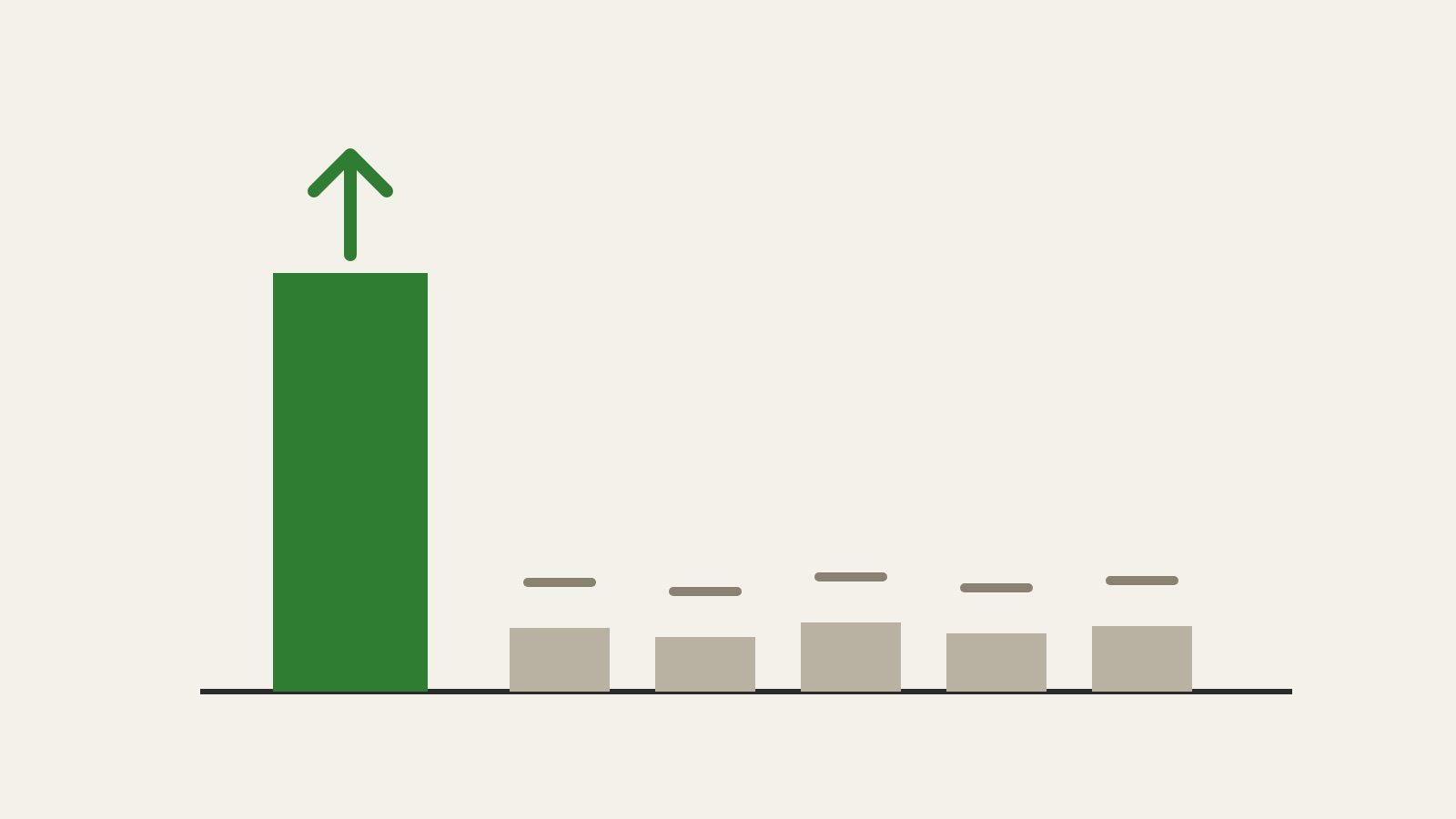
An even more direct test came from a 2022 randomized trial by Liu and colleagues in the New England Journal of Medicine. For 12 months, 139 adults with obesity all followed the same calorie-restricted diet; half also restricted eating to an 8-hour window. Both groups lost weight, but there was no significant difference between them in weight, body fat, or metabolic risk factors. The conclusion was blunt: when calories are matched, adding time-restricted eating provides no extra benefit.
So What Is Intermittent Fasting Actually Good At?
This is the fair, positive case. For some people, a defined eating window is a simpler, more sustainable way to control calories than counting or weighing food. “Don’t eat after 8 pm” is easier to follow than a detailed meal plan, and cutting out late-night snacking removes a common source of excess calories. If IF helps you eat less without feeling deprived, it is a perfectly good tool, just not a uniquely powerful one.
Effects Beyond Weight
Some smaller studies suggest time-restricted eating, especially eating earlier in the day, may modestly improve blood sugar control and blood pressure even without much weight loss, possibly by aligning food intake with the body’s circadian rhythm. This is a genuinely interesting area, but the findings are preliminary and inconsistent, and they do not yet justify treating IF as a metabolic treatment. For blood-sugar concerns, the evidence behind options like berberine and basic diet quality is more established.
The Muscle Caveat
One underappreciated downside: long fasting windows can make it harder to eat enough protein, and weight lost through aggressive fasting can include more muscle if protein and resistance training are neglected. This matters especially for older adults, for whom preserving muscle is a priority. Anyone using IF should still hit their protein targets within the eating window and keep training.
Who It Suits and Who Should Avoid It
IF can suit people who like structure, do not enjoy frequent meals, and find a window easier than counting. It is a poor fit, or unsafe, for others: people with a history of disordered eating, those who are underweight, pregnant or breastfeeding women, and people with diabetes on glucose-lowering medication that can cause dangerous lows during fasts. Anyone in these groups should not start IF without medical guidance.
How to Do It Sensibly
If you want to try it, a gentle 12:12 or 14:10 window is a reasonable start, eaten earlier in the day where possible. Prioritize protein and whole foods within the window rather than treating the eating hours as a free-for-all, which is the fastest way to erase any calorie benefit. Stay hydrated, and judge it by whether it makes eating well easier for you, not by faith in fasting itself.
Common Mistakes
The most common mistake is assuming the schedule does the work, then overeating during the window and wondering why nothing changes. Others include neglecting protein, using fasting as cover for a poor-quality diet, and pushing extreme fasting that backfires through muscle loss, fatigue, or binge eating. IF only helps if it helps you eat better overall.
The Bottom Line
Intermittent fasting is a legitimate but oversold tool. The rigorous trials are consistent: it aids weight loss mainly by helping people cut calories, and it is not superior to other sensible diets when calories are equal. If a fasting window makes healthy eating easier for you, use it; if it makes you miserable or causes you to overeat later, there is no special reason to force it. The fundamentals, total calories, protein, food quality, and activity, still decide the outcome.
Why It Became So Popular
If the trials are underwhelming, why is intermittent fasting everywhere? Partly because it genuinely works for some people by simplifying eating, and partly because it tells an appealing story: that when you eat unlocks a hidden metabolic switch, no calorie counting required. Early animal studies and small uncontrolled trials fueled that narrative, and it spread faster than the larger, more sobering human trials that followed. It is a familiar pattern in nutrition, an exciting mechanism outrunning the rigorous evidence.
The Circadian Angle
One nuance worth keeping is timing within the day. Some research suggests that eating earlier, an “early” time-restricted window that finishes in the late afternoon or early evening, may be metabolically better than skipping breakfast and eating late, because it aligns food with the body’s daytime insulin sensitivity. If you do try time-restricted eating, shifting the window earlier rather than later is the more evidence-aligned choice, though even here the effects on weight remain modest.
A Realistic Way to Think About It
The most useful frame is to treat intermittent fasting as one of several valid strategies for eating less and eating better, not as a separate magic lever. Some people thrive with a defined window; others do better with regular balanced meals, portion control, or simply cutting ultra-processed foods. The “best” approach is the sustainable one that fits your life and lets you hit your protein and nutrition goals. Judged that way, intermittent fasting earns a place in the toolbox without the inflated promises.
In the end, the question is not whether fasting is good or bad, but whether a particular eating schedule helps you eat in a way you can sustain. For some people it genuinely does, and that is reason enough to use it. For others it adds stress and rigid rules without any real payoff, and there is no scientific obligation to force it. Either way, the evidence frees you from the belief that the clock, rather than the contents of your plate, is what matters most.
Frequently Asked Questions
Does intermittent fasting work for weight loss?
It can, but mainly because it helps people eat fewer calories, not through a special fasting effect. In trials it is not more effective than ordinary calorie reduction.
Is intermittent fasting better than other diets?
No. When calories are matched, head-to-head trials show no advantage over standard calorie-restricted diets. Its main benefit is being simpler to follow for some people.
What is the best fasting window?
There is no magic window. A sustainable 12:12 or 14:10, eaten earlier in the day, is a sensible start. The best window is the one you can maintain while eating well.
Can intermittent fasting cause muscle loss?
It can if protein intake drops and you do not do resistance training, especially in older adults. Hitting protein targets within the eating window and training help protect muscle.
Who should not do intermittent fasting?
People with a history of disordered eating, those who are underweight, pregnant or breastfeeding women, and people with diabetes on glucose-lowering medication should avoid it or only try it with medical guidance.
Does fasting improve blood sugar?
Some early studies suggest modest improvements, especially eating earlier in the day, but the evidence is preliminary and inconsistent, and it is not a substitute for proven blood-sugar strategies.
Sources
- Lowe DA, et al. “Effects of time-restricted eating on weight loss and other metabolic parameters in women and men with overweight and obesity: the TREAT randomized clinical trial.” JAMA Internal Medicine, 2020. PMID 32986097
- Liu D, et al. “Calorie restriction with or without time-restricted eating in weight loss.” New England Journal of Medicine, 2022. PMID 35443107
- de Cabo R, Mattson MP. “Effects of intermittent fasting on health, aging, and disease.” New England Journal of Medicine, 2019. PMID 31881139